Should You Choose A Cart Or A Fixed Bench For 3D Printers?
Choosing between a cart and a fixed bench starts with how the printer will be used each day. A cart supports movement and flexible layouts, while a bench favors a permanent workstation. Both options can work well, but the wrong fit can create vibration issues or clutter. Think about who operates the printer, how often it runs, and what materials stay nearby. The goal is to keep prints consistent, tools organized, and supervision simple. A good stand decision also reduces maintenance headaches over time.
In school settings, a dedicated workstation is usually easier to monitor, but mobility can help when space is tight. Worthington Direct makes school furniture that's tough enough for busy classrooms. It's built to handle daily use and gives teachers reliable storage options. Even so, the right choice still depends on vibration control and where the printer sits in the workflow. If mobility matters, review stable cart options for 3D printing to see which stand features support safe movement. If permanence matters more, a fixed bench can provide a steadier base with fewer variables.

Stability And Print Quality Considerations
A shaky stand can ruin your print quality, so stability really matters here. Fixed benches tend to be the most stable option because they have fewer moving parts. Carts can still be stable, but they need strong casters, a rigid frame, and a top that does not flex. A heavy printer can amplify vibration, especially during fast infill or tall prints. Before deciding, consider the printer’s footprint, spool placement, and any side-mounted accessories. A steady surface keeps your machine safe and helps you get better prints every time.
Mobility And Room Layout Flexibility
Mobility can be a big advantage when the printer is shared across classes or moved for demonstrations. A cart makes it easier to roll the printer away from traffic during long runs, or closer to ventilation when needed. This is also helpful when the room hosts multiple activities and the printer cannot live in one spot. The tradeoff is that movement introduces risk if the cart is pushed over cords or uneven thresholds. Locking casters reduce drift, but they do not remove the need for careful routing of power and filament. If the printer moves weekly or monthly, a cart may justify the added planning.
Storage For Filament, Tools, And Safety Supplies
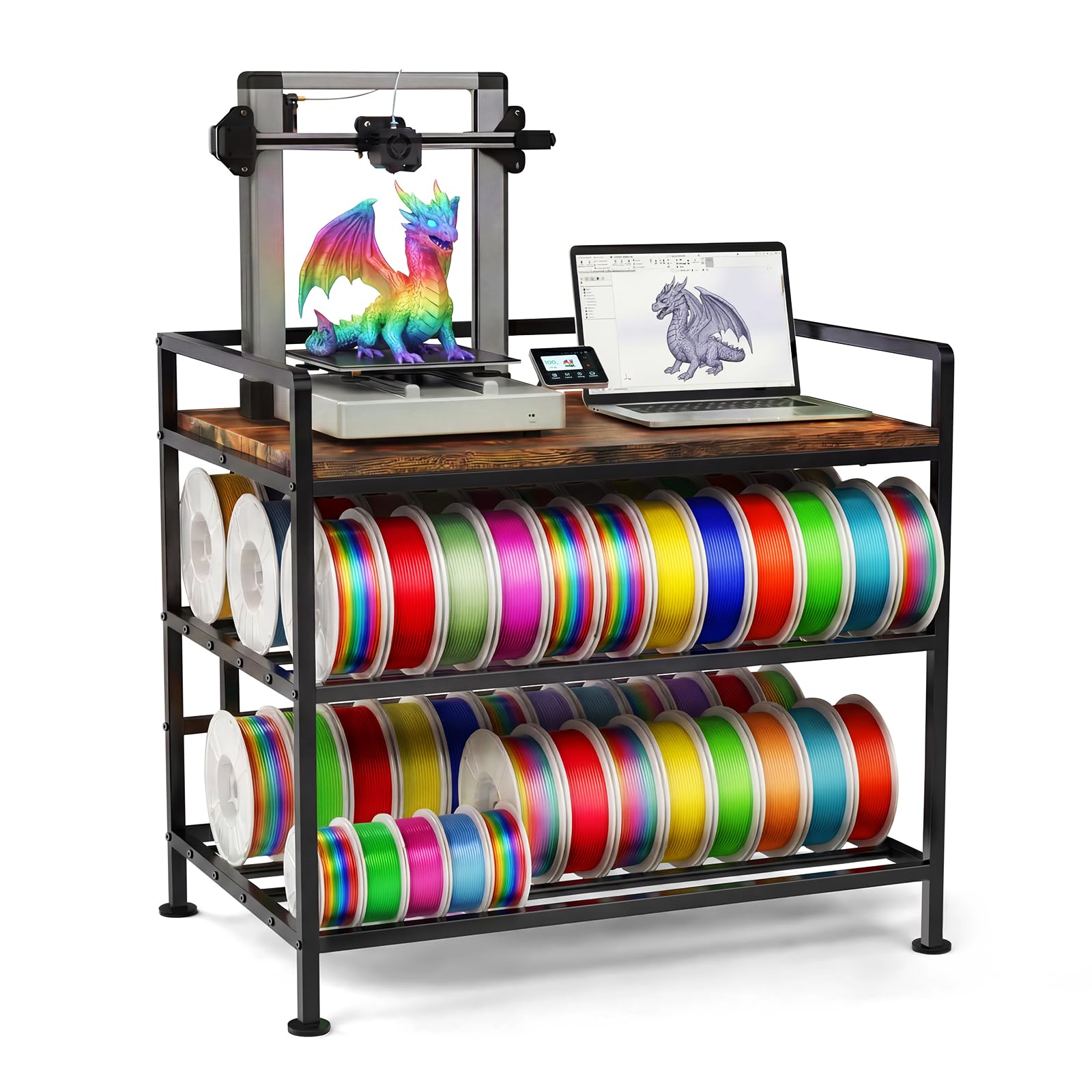
Carts and benches both provide storage, but each keeps your supplies organized in its own way. A bench can pair well with nearby cabinets, wall storage, or drawers that stay in the same place. A cart often keeps essentials directly under the printer, which can speed up nozzle swaps and quick fixes. The key is separating clean filament from messy items like scrapers and used wipes. For classrooms, it also helps to keep safety gear close, such as gloves, eye protection, and a small fire rated disposal option for waste. When everything has a place, you won't waste time hunting for tools in the middle of a print.


Power, Ventilation, And Cable Management
It is also worth thinking about how you will manage your cables. A fixed bench lets you run cords along the wall so they stay out of the way and nobody trips over them. A cart needs a plan for slack, strain relief, and how cords behave while rolling. Ventilation considerations matter too, since some materials benefit from stronger airflow or enclosure setups. If the printer uses an enclosure, the stand must leave room for doors to open and for air to circulate. Getting this right from the start saves you a lot of headaches down the road. It also makes it much easier for staff to spot and fix any issues quickly.
Long Term Durability And Maintenance Impact
Durability is about more than just the surface. Fixed benches tend to last longer because they are not constantly being moved around or bumped into things. Carts can last just as long when built well, but the casters and hardware may need periodic checks. Over time, small loosening can turn into wobble that affects prints and increases noise. You want a stand that gives you easy access to all sides of the printer. Think about how often someone can realistically check on it and keep things tightened up. The easier it is to maintain, the longer your setup will last.
A cart makes more sense when your printer needs to move around or gets shared between groups. A fixed bench is the better call when you need consistency and a dedicated spot. Both options work well as long as you think through stability, storage, and cables from the start. Just match the stand to your printer size, how busy your space is, and the room layout. When your setup feels organized and steady, everyone can focus on the work instead of fixing problems. A little planning now goes a long way toward keeping things running smoothly every single day.
