How Digital Payments Shape the Modern Entertainment Experience
Paying for entertainment used to be a separate step. You bought a cinema ticket at the counter, handed over cash at an event, or purchased a game from a shop before taking it home.
Now payment often happens somewhere in the background.
A few taps can pay for a streaming subscription, concert ticket, game upgrade, or another month of an entertainment service. The change might seem small, but it has affected what people buy, how quickly they buy it, and even how entertainment companies design their products.
Paying Has Become Part of the Experience
Nobody wants to spend ten minutes filling out payment details when they’re trying to watch a film or join a game.
Entertainment platforms know this. Many now save preferred payment methods, support digital wallets, and make repeat purchases possible with a couple of taps. For the user, there’s less interruption between deciding “I want this” and actually getting it.
Streaming is an obvious example. Instead of making a new purchase every time, viewers pay automatically each month and open the app whenever they want.
Gaming has moved in a similar direction. Players can buy passes, cosmetics, additional content, or virtual currency without leaving the game. That convenience has become so normal that a slow checkout page now feels surprisingly outdated.

Small Payments Have Become Much More Practical
Digital payments have also made small purchases easier.
Processing a tiny transaction at a physical counter isn't always practical. Online, there’s nothing unusual about spending a small amount on an app, a game item, a single piece of content, or a short subscription.
This has given entertainment companies more room to experiment with pricing. Instead of asking every customer to make one large purchase, platforms can offer different levels of access.
For consumers, that can be useful. Someone who only wants to try a service doesn't necessarily have to make the same commitment as a regular user.
Of course, small payments have another side: they’re easy to forget. Five small purchases can feel insignificant individually and surprisingly expensive when viewed together.
The Australian $2 Deposit Casino Model
Online casino entertainment offers a particularly clear example of how payment technology has lowered the practical size of individual transactions. Some platforms aimed at Australian adults allow very small starting deposits, including $2 options, giving users a way to begin without transferring a larger amount immediately.
The minimum deposit is only one part of the decision, though. Players should check which payment methods qualify, whether transaction fees apply, the minimum withdrawal amount, processing times, identity-verification requirements, and any conditions attached to promotions. A $2 deposit isn't particularly useful if the payment or withdrawal rules don't suit the player.
Those comparing low-deposit options can consult the Stay Casino no-deposit terms reviewed by AussCasinosAnalyzer to examine how these smaller deposits work and what conditions sit around them. The point of comparison isn't simply to find the lowest number. It's to understand the payment experience from deposit through to withdrawal.
Australian adults should also check the current rules and availability of the gambling products they are considering. Payment convenience doesn't remove the need to set limits either. In fact, when depositing takes only a few seconds, deciding on a spending amount beforehand becomes more important.
Convenience Can Make Spending Feel Invisible
Here’s the strange thing about a really good payment system: you barely notice it.
That’s fantastic when you're trying to buy a ticket before it sells out. It can be less helpful when you’re making purchase number six without remembering purchases one through five.
Games are a good example. A few small transactions for cosmetics or virtual currency might not feel like much at the time. Add them together at the end of the month and the total can tell a different story.
Subscriptions have their own version of the problem. People sign up for a service, stop using it, and continue paying because the renewal happens automatically.
The technology isn't necessarily the issue. The friction has simply disappeared, so users need to create some of their own. Checking transaction histories and cancelling unused subscriptions are boring habits, but useful ones.
Trust Matters When Money Moves Quickly
Speed isn't everything.
An entertainment platform can offer an incredibly smooth checkout and still be a poor choice if users don't understand where their money is going or how their payment information is handled.
There are established technical standards behind secure card payments. The PCI Security Standards Council maintains PCI DSS, which sets technical and operational requirements for environments where payment account data is stored, processed, or transmitted. Encryption and tokenisation are also widely used to reduce the exposure of sensitive card information.
Tokenisation is particularly relevant to digital entertainment because so many platforms support saved cards and repeat payments. The Reserve Bank of Australia explains that tokenisation replaces sensitive card details with a unique token containing less critical information. This can improve the security of online card transactions because fewer sensitive card details are available to be stolen from merchants or payment providers.
There’s a useful practical detail behind this: with an EMV payment token, the merchant can process a transaction without receiving the cardholder's underlying primary account number. The PCI Security Standards Council notes that the merchant and acquirer do not have access to that underlying number during such a tokenised transaction.
Before paying, it’s still worth checking basic details: Is the connection secure? Are fees clearly shown? Can the payment method be removed later? Is there an understandable refund or withdrawal process?
In gambling-related entertainment, comparison services can help users investigate some of these questions. CasinosAnalyzer is a comparison platform, not a casino. It examines factors such as licensing, payment options, promotional conditions, and other practical details that can help users evaluate an offer before committing funds.
That extra check matters because the easiest payment isn't automatically the safest or most suitable one.
Mobile Payments Changed Where We Spend
Entertainment purchases are no longer tied to a living-room computer.
People buy concert tickets on the train. They renew subscriptions from a phone. They make in-game purchases while sitting on the sofa. A QR code at a venue can open a payment page before someone reaches the counter.
That mobility has been particularly important in markets where smartphones are the main way people access online services.
It has also blurred the line between browsing and buying. The same device is the storefront, wallet, ticket, entertainment screen, and account manager.
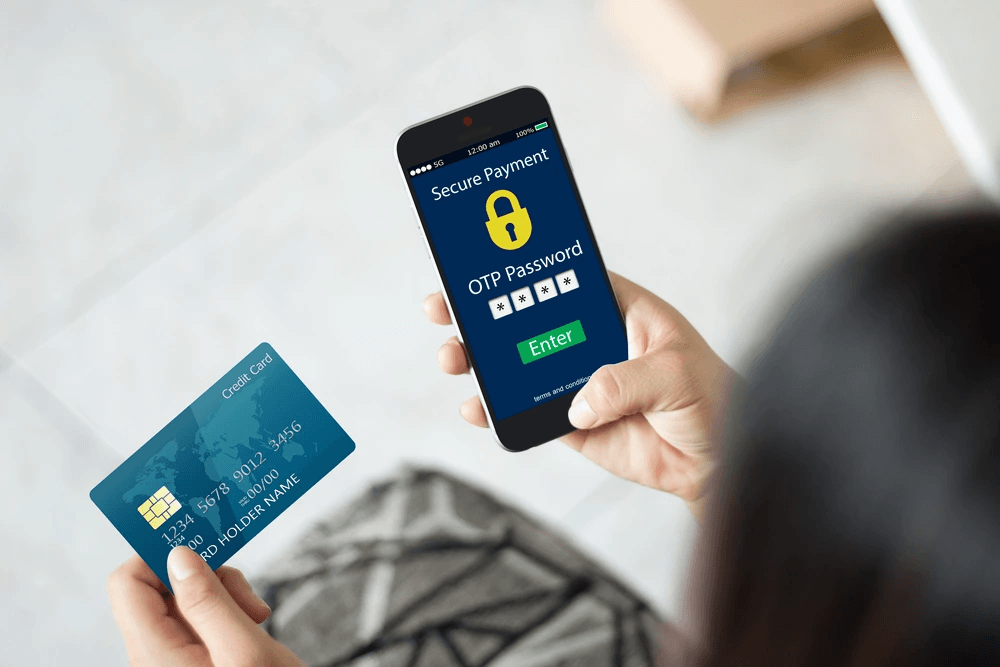
For businesses, that's powerful. For consumers, it makes payment security on the phone more important than ever. Account protection matters as much as the checkout itself. The National Institute of Standards and Technology recommends multi-factor authentication as a way to reduce cybersecurity risk, while noting that some methods are stronger than others and that SMS codes and one-time passwords can still be susceptible to phishing.
Payment Choice Is Becoming Part of the Product
People don't all want to pay the same way.
One customer prefers a bank card. Another uses a digital wallet whenever possible. Someone else may abandon a purchase if their preferred local payment option isn't supported.
Entertainment companies increasingly treat this choice as part of the user experience rather than an afterthought. The payment screen is effectively the final stage of the product.
If it’s confusing, expensive, or unexpectedly restrictive, everything that came before it can be undermined.
A good payment experience should be almost boring: the cost is clear, the method works, and the user knows what happens next.
The Best Payment Technology Doesn't Get in the Way
Digital payments have made entertainment easier to access. They’ve helped subscriptions flourish, made small purchases practical, supported new gaming business models, and allowed people to pay from almost anywhere.
But convenience works best when it comes with clarity.
Users still need to know what they’re paying, whether a transaction comes with conditions, and how easy it will be to stop, cancel, refund, or withdraw later.
The technology may have reduced the number of clicks.
The decision behind those clicks still matters.
