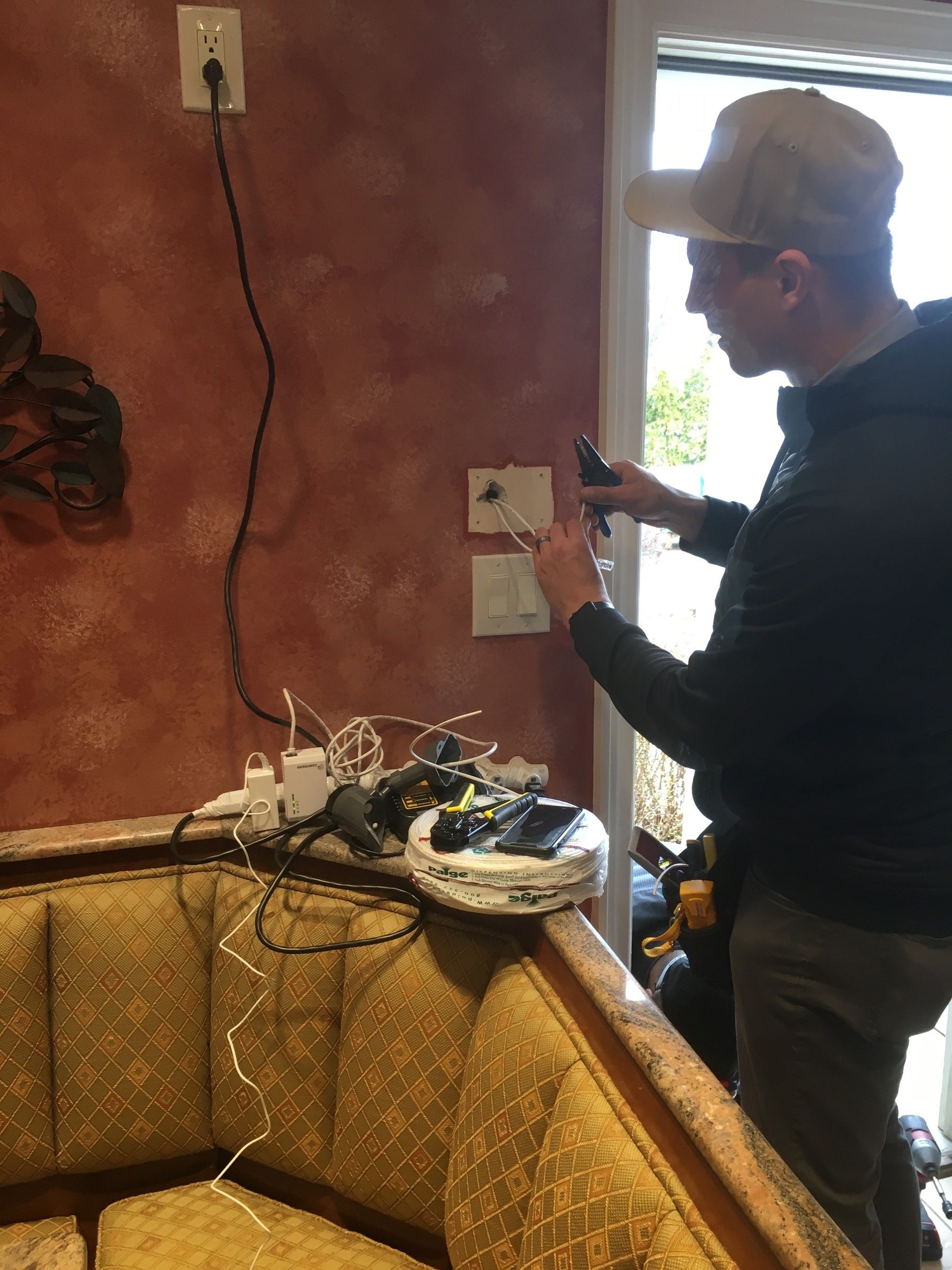
Want to Work in Home Security Tech? The Skills and Certifications Employers Look For
Home security used to mean a keypad by the front door and a siren that went off at the worst possible moment. Now it’s video doorbells, smart locks, motion sensors linked to phone apps, and cameras that can tell a delivery driver from a raccoon. Someone has to install it all, connect it, and fix it when it stops working.
Job titles vary. You’ll see alarm technician, security systems installer, and smart home technician, and the U.S. Bureau of Labor Statistics groups much of this work under security and fire alarm systems installers. Whatever the title, employers usually look for the same mix of skills, credentials, and personal qualities. Here’s what that looks like.
The Skills Employers Ask For

Many security companies care less about degrees and more about whether you can handle a real install on your own. The skills that come up most often in job postings fall into two groups.
Technical skills
- Basic networking. Most modern systems run on Wi-Fi, so you need to understand routers, IP addresses, and signal strength. When a camera keeps going offline, the cause is often the network, not the device.
- Low-voltage wiring. Wired cameras and alarm panels are still common, especially in new homes. You’ll be expected to read wiring diagrams and use tools like a multimeter confidently.
- Smart home platforms. More customers want their locks, lights, and cameras to work together. Knowing how devices connect through Alexa, Google Home, and Matter makes you useful from day one.
- Troubleshooting. Employers want techs who can find the cause of a problem instead of swapping parts until something works. It saves the company time and reduces repeat service calls.
People skills
You’ll be working inside people’s homes, and they’re trusting you with their safety. Explaining the system in plain language, staying patient with questions, and leaving the space clean all count. For many hiring managers, how you treat a customer matters as much as how well you mount a camera.
Showing Those Skills on Your Resume

Plenty of people move into security tech from other fields, such as retail electronics, cable installation, IT help desks, or the military. The hard part is making that experience look relevant to someone hiring an installer.
Be specific about what you’ve done. A line like “Responsible for in-home installations” doesn’t tell a hiring manager much. “Installed and set up home Wi-Fi networks, smart thermostats, and video doorbells for residential customers” shows exactly which tasks you can already handle. If you’ve built your own smart home setup, include it too, since it’s hands-on experience with the same devices you’d be installing.
When your experience spans a few different jobs, it can be hard to know where each skill belongs. A template from Zety’s free resume builder can help you pull everything into a clear skills section, so networking, wiring, and customer service come first instead of getting buried under old job titles.
It also helps to name the device brands and platforms you’ve worked with. Many companies install particular equipment, and a familiar brand on your resume can make you a stronger fit.
Certifications That Carry Weight
Certifications aren’t always required for entry-level jobs, but they show you’ve learned the field properly, and some employers require them for promotions or more advanced work. These are the ones that come up most often:
- ESA Certified Alarm Technician (Level I). Offered through the Electronic Security Association’s training school, this is a common starting point for alarm installers in the U.S. It covers alarm system basics, installation practices, and industry codes.
- NICET Fire Alarm Systems. If you want to work on fire alarms as well as intrusion systems, NICET is widely recognized. It has several levels, so you can move up as you gain experience.
- CompTIA Network+. This one isn’t specific to security, but it proves you understand networking. That’s especially useful for roles focused on IP cameras and connected devices.
- Manufacturer training. Companies like Axis and Alarm.com run training programs for professionals who work with their products. Dealers that sell those brands often prefer techs who have already completed them.
If you’re not sure where to start, check local openings. The certifications that appear most often in them are the ones worth getting first.
What Employers Check Beyond Skills
Some requirements have nothing to do with technical knowledge, and they can rule out an otherwise strong candidate.
Licensing is the biggest one. Many states require alarm installers to hold a license, and the rules vary widely. Your state’s licensing board website is the most reliable place to find out what applies to you.
Background checks are standard, since you’ll have access to customers’ homes and security codes. Most employers also expect a valid driver’s license and a clean driving record, because you’ll spend much of the day driving between job sites, often in a company vehicle.
Then there’s the physical side. The work involves climbing ladders, crawling through attics, and lifting equipment, and most postings say so upfront. Some companies also ask techs to cover on-call shifts for emergency repairs, so ask about the schedule early in the interview process.
