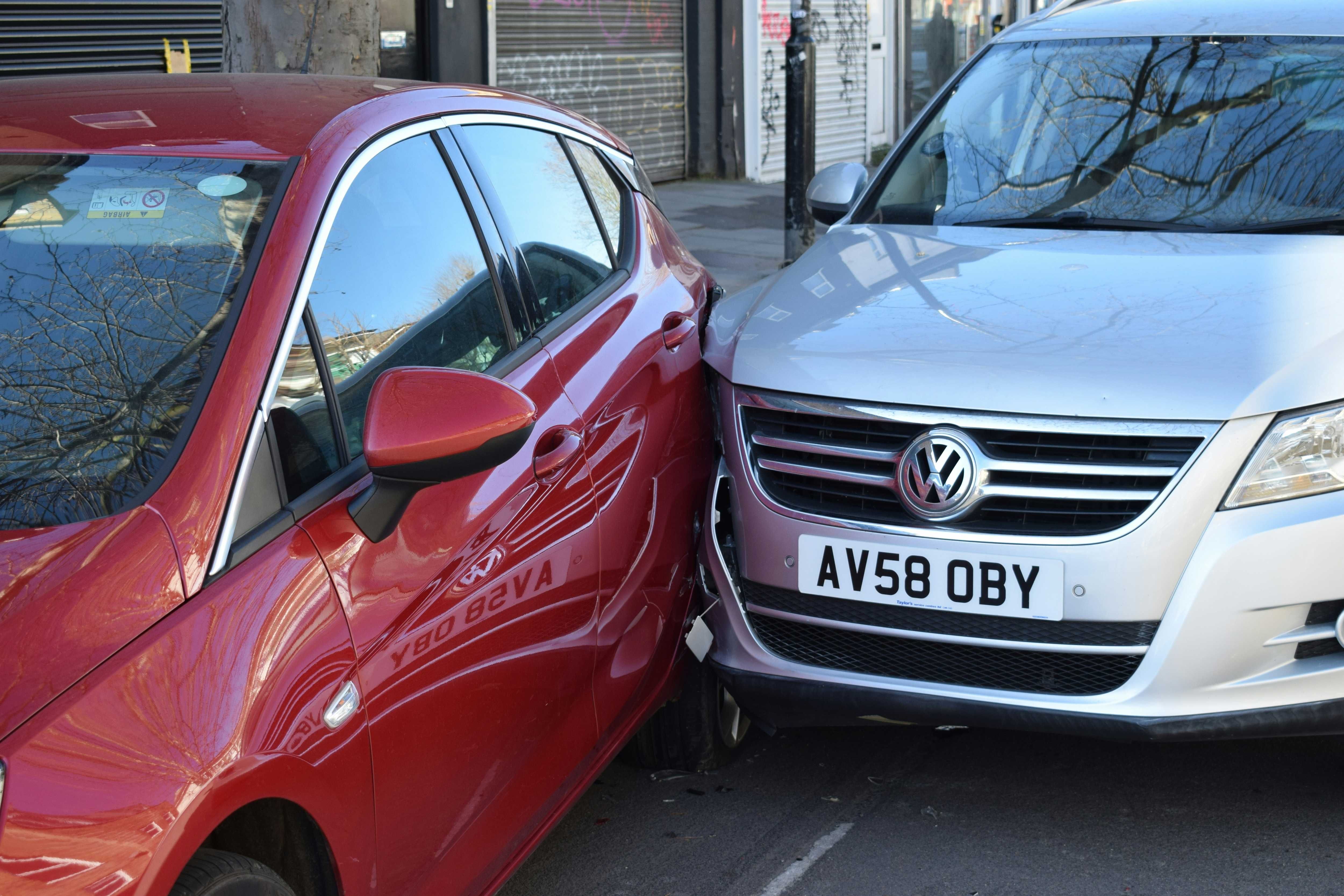
Car Crash Survivors Seek Fair Outcomes After Disputed Liability
A car crash can leave survivors dealing with more than physical injuries. Medical appointments, missed work, vehicle repairs, and insurance disputes can quickly turn an already stressful experience into a difficult financial burden. In San Jose, traffic safety figures show progress alongside ongoing concerns. The city recorded 41 traffic fatalities in 2025, a 16% decrease from 49 in 2024, marking its lowest annual total since 2012. Yet fewer deaths do not mean every collision is straightforward or that injured people receive fair treatment. When drivers disagree about what happened, evidence and reliable accounts become essential to determining responsibility and pursuing compensation.
A disputed claim may require more than a police report or conflicting driver statements. A San Jose car accident lawyer can help gather witness accounts, preserve available video footage, and examine evidence that clarifies how the collision occurred. This work matters when injuries include traumatic brain damage or severe spinal cord injuries, or when a crash results in wrongful death. Personal injury cases can also involve automobile accidents and slip-and-falls, each requiring evidence that connects negligence to the harm suffered. A fair outcome depends on presenting the facts clearly and accounting for the full impact of an injury. As the dispute unfolds, careful preparation can help survivors challenge unfair blame and pursue a resolution that reflects their losses.
Why Liability Disputes Develop

California drivers must follow traffic laws and use reasonable care. After a collision, however, each driver may describe the events differently. For instance, one person might claim the other driver ran a red light, changed lanes without warning, or followed too closely, even as the other blames the first driver.
Insurance adjusters review these competing accounts before deciding whether to accept responsibility. They examine police reports, photographs, vehicle damage, medical records, traffic camera footage, and available witness statements. A disputed claim becomes harder when evidence disappears, or injuries are reported long after the crash.
Why Seek Legal Guidance
A survivor can consult a car accident lawyer at a reliable firm like California Trial Law Group about preserving evidence and responding to insurer requests. Legal counsel can review the collision details, identify disputed facts, communicate with the carrier, and explain whether settlement discussions or a lawsuit fit the claim. This support matters when liability questions affect compensation for treatment, lost wages, vehicle repairs, or lasting impairment.
Evidence That Can Clarify Fault

A police report provides an early record of the crash, but it does not always settle liability. Officers can document statements, citations, road conditions, visible damage, and injuries without witnessing the collision themselves.
Photographs can show skid marks, traffic signals, lane positions, property damage, and roadway hazards. Dashcam recordings, nearby surveillance footage, and electronic vehicle data can provide additional information about speed, braking, or movement before impact.
Witnesses can describe what they saw before the collision. Injured parties should save their contact information because memories change. Video systems often overwrite recordings after a limited period, so sending preservation letters is essential.
Medical records also matter when an insurer questions the severity of a person’s injury. A prompt medical evaluation connects reported symptoms with the crash and creates a record of diagnoses, treatment, prescriptions, imaging, and follow-up care.
How Comparative Fault Affects Compensation
California uses a comparative negligence system. Under this approach, a claimant’s recovery can be reduced by the percentage of fault assigned to that claimant.
For example, a person found 20 percent responsible for a crash could receive damages reduced by 20 percent. The exact result depends on the evidence, the losses claimed, and the findings reached during negotiations or litigation.
Insurers sometimes assign fault to a survivor without sufficient support. An injured person should avoid guessing about speed, distance, or traffic conditions when answering questions after a crash. A recorded statement or signed authorization can affect the insurer’s position later.
Damages That a Claim Can Address
A car crash claim can cover medical expenses for emergency care, diagnostic testing, medication, rehabilitation, and ongoing treatment. Records should show the service received, the provider, the date, and the amount charged.
Lost income can include missed work during recovery. When injuries affect future employment, vocational records and earning information can help document that loss.
Property damage requires repair estimates, photographs, towing bills, rental car records, and information about the vehicle’s value. A claim can also address physical pain and emotional distress when the evidence supports those losses.
Severe injuries require careful review because treatment needs can continue for years. A settlement should account for documented future care instead of just addressing bills received shortly after the collision.
Steps Survivors Should Take After a Disputed Crash

The priority is safety. If it is safe, accident survivors should move away from traffic. They should call 911 for injuries, exchange insurance information, and request a police report.
Arrange medical care promptly, even when symptoms seem minor. Concussions, spinal injuries, and soft tissue damage can appear gradually, and delayed treatment lets insurers argue about causation.
Survivors should keep crash photographs, medical records, repair estimates, wage documentation, insurer communications, and receipts in a single organized file. They should also avoid posting statements or images about the collision on social media.
Before giving a recorded statement or signing broad medical authorizations, a survivor should obtain legal advice. The insurer should still receive notice required by the policy, but the survivor does not need to engage in unnecessary speculation.
Conclusion
A fair liability decision depends on evidence that connects the collision, the injuries, and the financial losses. Survivors can strengthen their position by obtaining prompt medical care, preserving photographs and recordings, documenting missed income, and keeping insurer communications organized.
When fault remains disputed, a legal review can identify weaknesses in the opposing account and protect time-sensitive evidence. Injured parties should gather the crash file and schedule a case consultation before accepting a settlement or giving a recorded statement.
