A car crash used to come down to one question: who made the mistake? Smart vehicle technology has expanded the answer in a big way. Software logs, sensor data, and automated systems now play a central role in determining fault and shaping insurance claims.
Drivers are no longer the only decision-makers behind the wheel. As cars take on more tasks, accident investigations increasingly focus on the performance of technology alongside human behavior.
Each major smart feature introduces new legal and insurance challenges. In this article, we will explore in detail exactly how smart technology, from advanced driver assistance systems to telematics, is changing accident liability and insurance claims.
How Advanced Driver Assistance Systems Affect Liability
Advanced driver assistance systems, often called ADAS, include features like automatic emergency braking, lane-departure warnings, and blind-spot monitoring. These systems are designed to reduce human error, which has long been the leading cause of crashes.
Vehicles equipped with front crash prevention systems can show meaningful reductions in certain types of collisions. Fewer crashes should mean fewer claims for you, yet when a collision does occur, insurers closely examine whether the system functioned properly.
Claims can hinge on things like whether:
- A warning was ignored
- A sensor malfunctioned
- The driver misunderstood the system’s limits
Manufacturers emphasize that ADAS features assist rather than replace drivers. Insurance companies may still argue that ultimate responsibility remained with the person behind the wheel.
The Role of Event Data Recorders in Insurance Claims
Event data recorders, commonly known as black boxes, capture critical information moments before a crash. Speed, brake application, seatbelt usage, and throttle position are often stored in these devices.
The National Highway Traffic Safety Administration explains that most new passenger vehicles now contain event data recorders. For you, objective digital evidence may either support your account or raise new questions.
Insurance adjusters frequently request this information early in the claims process. So, it can influence settlement discussions from the start.
Autonomous Driving Features and Product Liability Questions
 Would you trust an autonomous car? www.gearbrain.com
Partially autonomous systems, such as adaptive cruise control and hands-free highway driving, shift more control from the driver to the vehicle. When a crash occurs during automated operation, responsibility becomes less clear.
As automation expands, liability may increasingly shift toward manufacturers under product liability principles. For drivers, that shift can mean more complex claims involving automakers, software developers, and multiple insurance carriers.
Traditional fault models were built around human mistakes. They were not built around software defects or algorithm errors.
Several issues often shape these disputes:
- Whether the driver was required to remain attentive and ready to intervene
- Whether the vehicle had known defects, recalls, or pending software updates
- Whether system limitations were clearly disclosed to consumers
Each factor can influence whether compensation comes from personal auto policies or claims against a manufacturer. In the United States, liability rules for accidents involving automated driving systems are still evolving, and these cases often require detailed investigation into both driver behavior and vehicle technology. In Colorado, particularly in busy areas such as Denver, collisions involving partially autonomous vehicles can quickly lead to complicated disputes between drivers, insurers, and manufacturers. In situations like these, experienced legal professionals such as CGH Injury Lawyers can help injured individuals understand their compensation options and navigate complex accident claims.
Telematics Data and Usage Based Insurance Disputes
Telematics systems track driving habits, including speed patterns, braking intensity, mileage, and time of travel. Insurers use this information to calculate usage-based premiums and assess risk with greater precision.
Connected vehicle data is transforming underwriting and claims management. For you, everyday driving behavior may resurface during a claim review. Hard braking or rapid acceleration recorded seconds before impact can influence how the fault is assigned and how damages are evaluated.
Policyholders sometimes overlook how much driving data is shared through connected apps and in-vehicle systems. Reviewing insurance agreements and privacy disclosures becomes increasingly important after a crash involving smart technology.
Smart Car Technology Is Reshaping Accident Liability and Insurance Claims
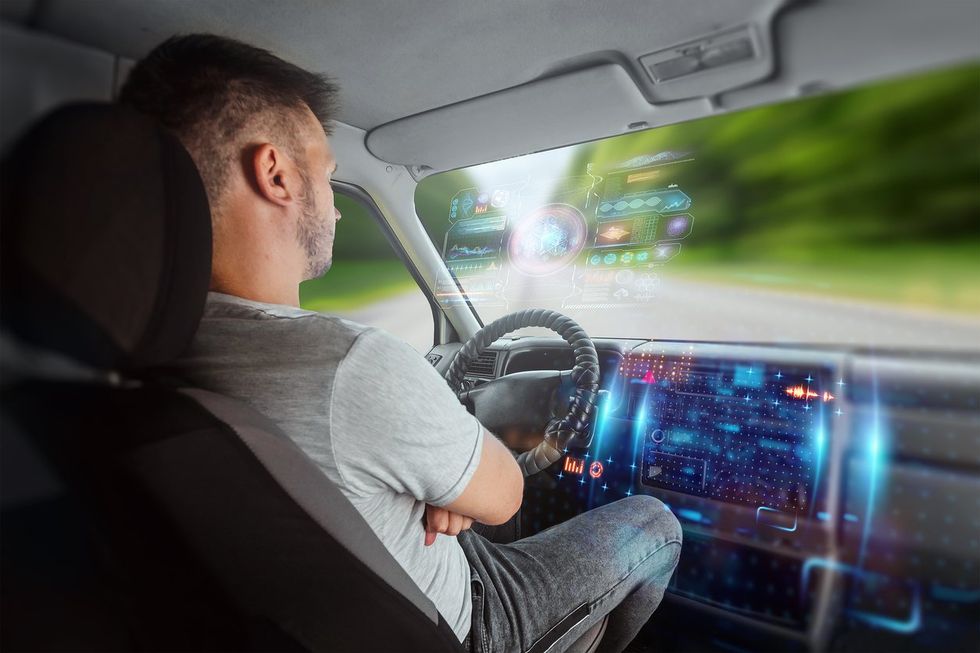
 what is a connected and smart car? iStock
Smart car technology is changing accident liability and insurance claims by expanding the pool of potentially responsible parties. Drivers, manufacturers, and even software providers can all become part of a single investigation.
Technology-driven cases often involve detailed evidence and layered insurance issues. Speaking with a qualified attorney can help you better understand your rights, evaluate digital crash data, and respond to aggressive insurer tactics.
If you have questions about a collision involving smart car tech, consider reaching out to legal professionals to discuss your situation and explore the next steps available to you. Also, if this article was helpful, make sure you check out our other informative content!
From Your Site Articles
Related Articles Around the Web

 Would you trust an autonomous car?
  what is a connected and smart car? iStock