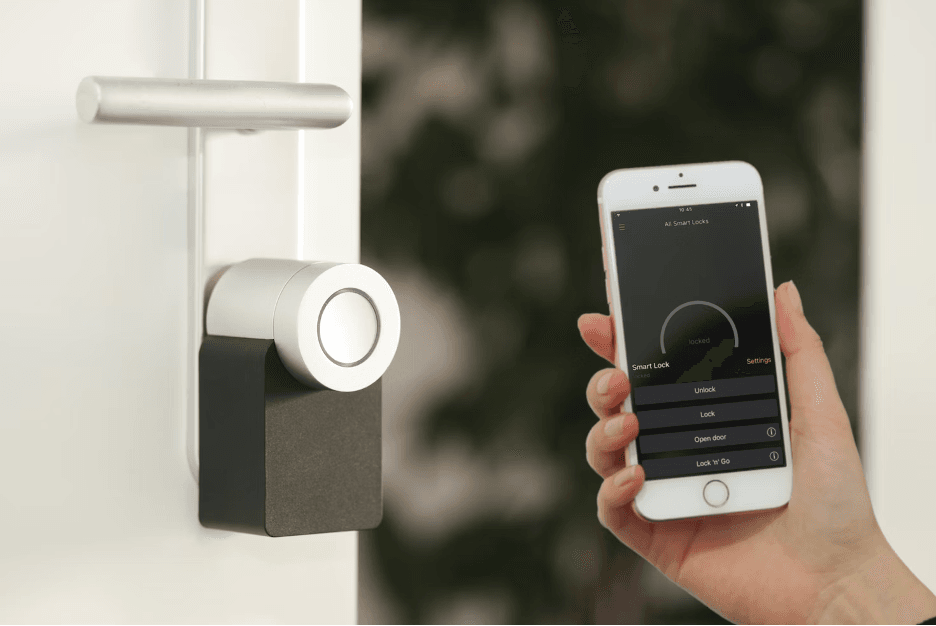
How Connected Homes Deter Ants Indoors
Unlocking your front door with a tap on your phone or chatting with a delivery driver from miles away is quite convenient, but today’s smart homes are capable of much more. Beyond comfort and security, they can quietly solve problems most homeowners don’t even think to automate… like keeping ants out.
With the right setup, your connected home can actively guard against pests rather than react to them. By integrating core prevention strategies (moisture control, cleanliness, and real-time monitoring) into your smart home system, you’ll turn your space from a passive shelter into a proactive defense system.
Not sure how to turn your home into an ant-resistant stronghold? Let’s break down the smart, practical steps that make it happen.
Talk to a Professional

Today’s tech and automation are quite capable, but they need correct and accurate data to operate at optimal parameters. For instance, it’s important to know which type of ant is the most prevalent in your area and what dettrants work best against it.
A local pest control company like Clark’s Ant Control Services in the Carolinas will give you all the information you need. Plus, they can recommend a few additional methods or help you set up more advanced systems.
Smart Tricks to Keep Ants at Bay
Talk to any local pest control professional, and they’ll tell you the same thing: ants are drawn to three essentials: food, water, and outdoor vegetation. The good news? Smart home technology can help you manage all three with minimal effort.
Here are a few practical ways to put your connected home to work and keep ants off your pretty living room couch for good.
Smart Waste Management
Ants operate like a highly efficient search-and-rescue team, except their focus is on nutrients. Even the smallest trace of crumbs or spills can attract scout ants, which quickly signal the rest of the colony to follow straight into your kitchen.
What makes them so effective is their antennae. These ultra-sensitive sensors can detect even faint traces of sugars and proteins, allowing ants to zero in on food sources you didn’t even realize were there.
In short, if ants can’t find food, they won’t stick around. That means eliminating even the smallest traces before they become a signal for the colony. This is where smart home tech does the heavy lifting.
Smart trash cans with self-sealing lids and odor-neutralizing carbon filters can lock away food waste the moment it’s tossed. If you already own a robot vacuum (if not, consider this your sign), schedule it to run a targeted clean in the kitchen or dining area right after meals.
Strategic Scent Barriers
Convenient enough, ants hate the scents we humans love. Essential oils like peppermint, cinnamon, or citrus can overwhelm and disrupt their pheromone trails, so this can be your reason to douse your home in fancy scents.
Still, essential oils dissipate rather quickly. If you don’t want to be the designated scent refresher, you can use Wi-Fi-enabled essential oil diffusers placed strategically near entry point zones (like sliding glass doors or mudroom entries). Set them to be more active during peak ant activity hours, typically mid-morning when temperatures rise.
Automated Humidity Control
Ants prefer humid microclimates, and dry air feels hostile to them. So, by controlling the humidity in your indoor space, you solve several problems (mold also loves humid environments) with one setting.
The solution is quite simple: Use a smart thermostat (like Nest or Ecobee) to trigger a plug-in dehumidifier or a whole-home HVAC dehumidification cycle when indoor humidity exceeds a specific threshold (typically 50%).
Smart Landscape and Foundation Monitoring

Oversaturated soil and lush vegetation that touches the siding are also green flags for specific types of ants. To keep things under control, use smart soil moisture sensors that automatically adjust irrigation schedules to allow the perimeter to dry out.
As for the vegetation, you might have to solve this issue manually (for now, at least). Talk to a local landscaping company or do a bit of DIY landscaping to keep trees and bushes away from the house.
Smart Homes are the Future
While we’re still figuring things out, it’s safe to say that today’s technology is far more advanced than what we have imagined. The simple fact that you can use it to deter ants from invading your home is a clear testament to its usefulness. The future looks bright for home automation technology!
