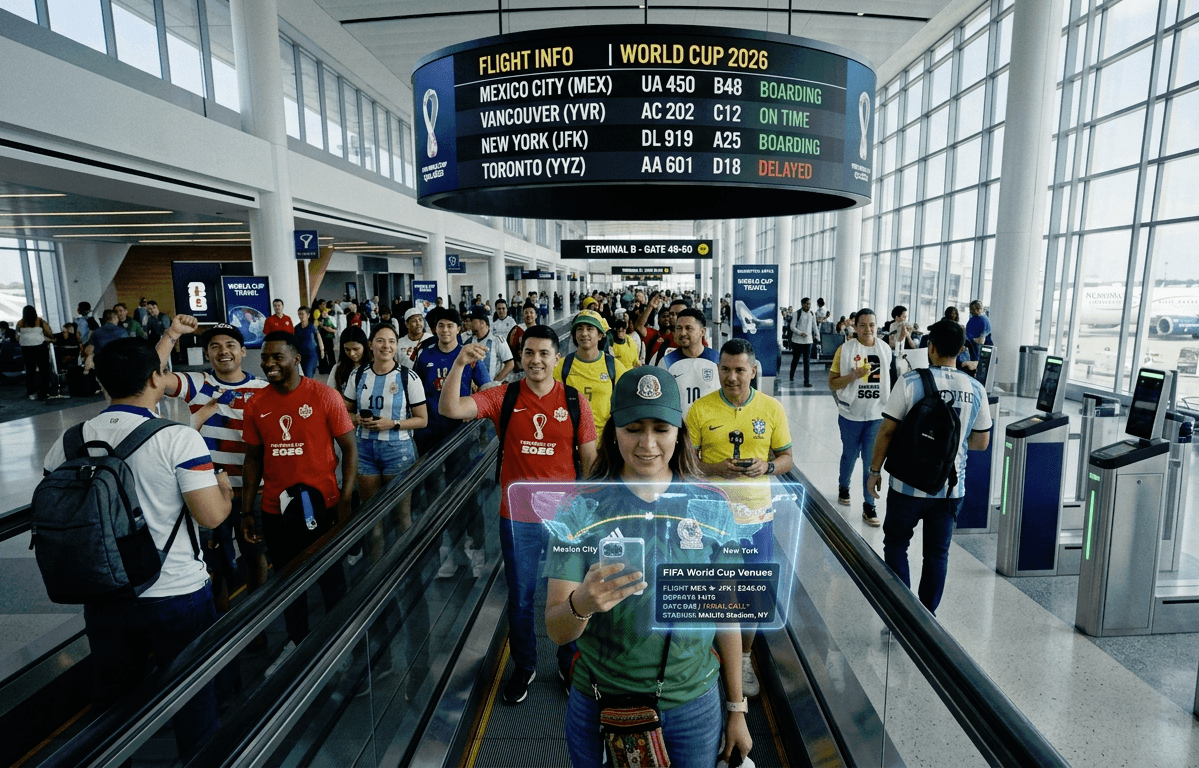
How Technology Is Helping Fans Travel Smarter for the 2026 World Cup
More than five million fans are enjoying the 2026 World Cup, but managing a multi-city journey across Canada, Mexico, and the United States for the games introduces unprecedented logistical friction. Spectators face an intricate web of differing immigration protocols, variable transportation networks, and vast geographical distances between host venues. Fortunately, real-time logistics software and adaptive digital planning tools are shifting the financial advantage back to the traveling supporter.
The scope of this tournament requires proactive digital orchestration rather than old-school spontaneity. Smart software applications allow supporters to bypass inflated regional transit fares, secure affordable local lodging, and maintain communication channels across international borders without incurring high roaming fees. Navigating this tournament successfully comes down to deploying the right digital stack before your boots hit the tarmac.
Strategic Planning Tools and Local Resource Management
Maximizing your travel budget across multiple host cities requires an analytical approach to selecting matches and base camps. Airfares and accommodation costs fluctuate wildly depending on the specific metro areas involved in each knockout stage.
Smart fans are using detailed digital comparisons to identify high-value host hubs that offer cheaper regional transit and lower lodging premiums. Consulting a comprehensive 2026 World Cup savings guide here provides a foundational roadmap for identifying the most cost-effective match pairings and city combinations across North America. A few minutes of reading will save you a bundle.
Once your primary match destinations are locked in, managing cross-border connectivity becomes the immediate operational priority. Relying on standard international roaming packages during major sporting events routinely results in severe network throttling and unexpected data fees. Transitioning to local digital network profiles ensures continuous access to navigation apps and emergency services.
Supporters can maintain high-speed data access across all three host nations by using specialized cross-border eSIM options that prevent connectivity drops at critical moments.
Effective digital preparation for stadium matchdays requires following specific technical guidelines:
- Portable power banks must remain under a capacity of 20000mAh to clear stadium security checkpoints
- All digital tickets should be downloaded to offline mobile wallets prior to arriving at crowded venue gates
- Local transit applications require pre-loaded transit cards to avoid long lines at automated station kiosks
Algorithmic Fare Trackers and Predictive Booking Systems

Airlines and hospitality chains frequently adjust their pricing matrices dynamically as match schedules solidify and team advancements alter fan demand. Securing affordable passage between distinct geographic regions relies heavily on algorithmic tracking platforms rather than manual searches. Predictive booking engines analyze historical price trajectories and current flight capacities to advise travelers on the optimal moments to finalize their bookings.
Deploying dedicated software to monitor volatile travel routes can save hundreds of dollars per leg. Automated platforms track specific flight paths across various airlines, sending instant notifications when prices drop. Using specialized flight comparison and booking apps allows fans to capitalize on short-lived price anomalies before corporate algorithms raise rates again.
Frictionless Border Tech and Smart Stadium Management
Crossing international borders between the United States, Mexico, and Canada multiple times during the tournament creates a substantial risk of transit delays. Border enforcement agencies are increasingly integrating digital prescreening options to manage the massive influx of international visitors. Utilizing these official digital pathways minimizes terminal wait times and ensures you do not miss critical kickoff times due to bureaucratic bottlenecks.
Enrolling in authorized trusted traveler programs and using mobile passport control applications drastically simplifies the customs verification process. This structural integration of digital border solutions helps fans clear security checkpoints with far less administrative friction.
Leveraging Shared Economy Apps for Group Ground Transit
Coordinating ground transportation across sprawling North American metro areas becomes significantly cheaper when fans pool resources through peer-to-peer ridesharing and vehicle-rental networks. Splitting the cost of local private transport via multi-passenger app bookings allows small groups to bypass the surge pricing individual travelers encounter at major transit hubs. Utilizing localized fleet-sharing platforms provides supporters with the precise mobility needed to reach suburban training grounds and fan zones without paying premium inner-city hotel rates.
Maximizing Your Tournament Travel Investment
Smarter tournament travel ultimately depends on information agility. The fans who rely on predictive booking algorithms, cross-border digital data profiles, and strategic city guides will experience far fewer logistical headaches than those who rely on traditional planning methods.
To discover more about how tech is changing the modern world, check out the other posts on our site.
