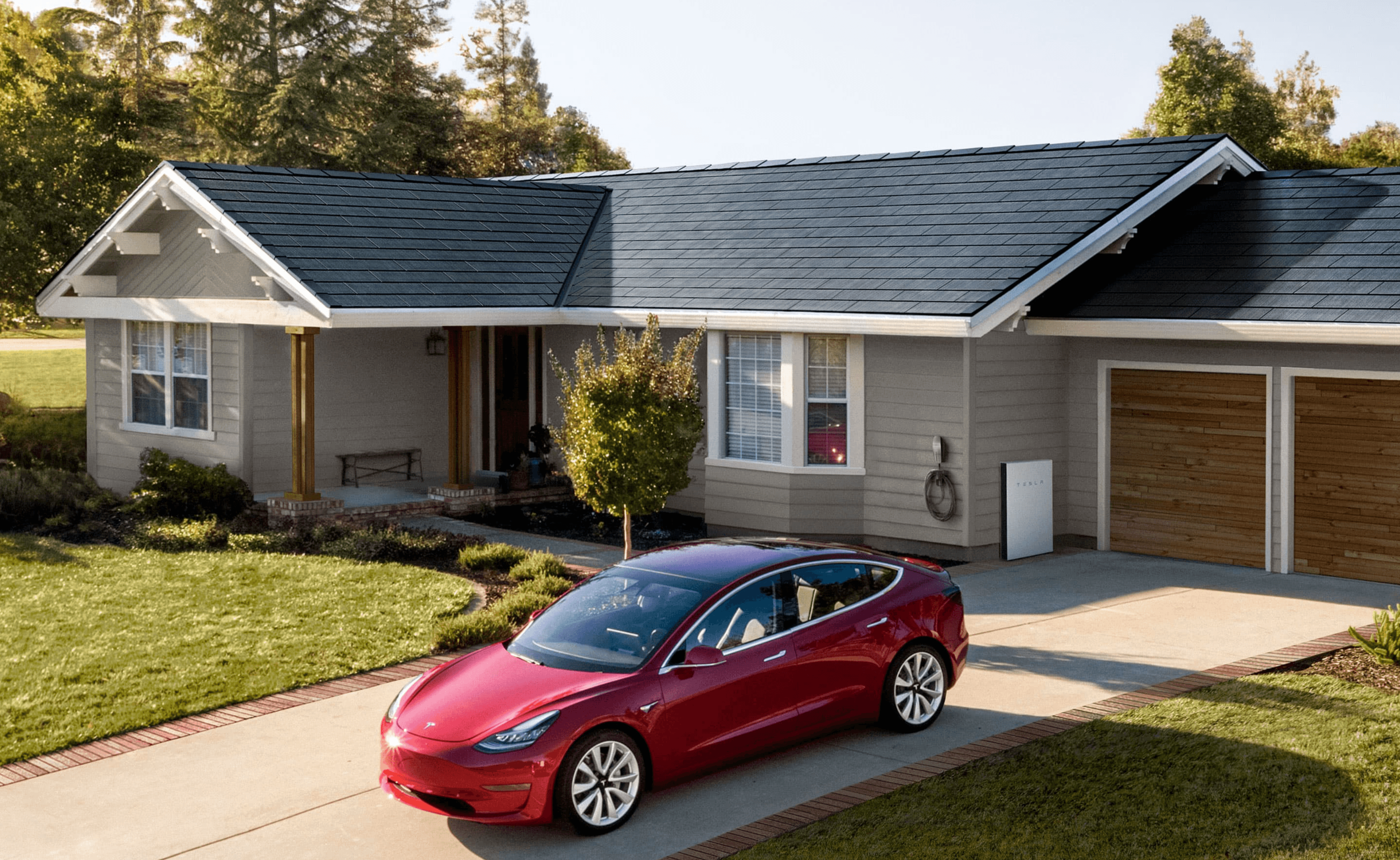
The Complete 2026 Guide to Buying Solar Power for Your Smart Home
For many homeowners, installing solar panels has become one of the biggest investments they'll make after purchasing their home. Yet buying solar in 2026 is far more complex—and far more rewarding—than it was just a few years ago.
Today's residential solar systems aren't simply rows of panels mounted on a roof. They often include battery storage, smart inverters, AI-powered energy management software, EV chargers, and monitoring apps that let homeowners track energy production and consumption from anywhere. When combined correctly, these technologies can reduce electricity costs, provide backup power during outages, and make a home more energy independent.
But with so many options available, choosing the right system can be overwhelming. Should you buy a battery? Which solar panels are best? Are microinverters worth the extra cost? Can your system power an electric vehicle? And how well will everything work together with your existing smart home?
This guide answers those questions and more to help you make an informed decision before investing in residential solar.
Is Solar Right for Your Home?

Solar isn't the right solution for every homeowner. Before requesting quotes, evaluate whether your home is a good candidate.
Ask yourself:
- Does your roof receive six or more hours of direct sunlight daily?
- Is the roof in good condition, or will it need replacement soon?
- Do nearby trees create significant shade?
- Are your electricity bills high enough to justify the investment?
- Will you stay in the home long enough to recover your costs?
A professional installer will typically perform a detailed site assessment using satellite imagery and shade analysis software to estimate your home's annual solar production.
Step 1: Understand Your Energy Usage
Before choosing equipment, understand how much electricity your household actually uses.
Review your electric bills from the past 12 months to determine:
- Annual kilowatt-hour (kWh) usage
- Seasonal consumption
- Peak demand
- Time-of-use billing (if applicable)
Also consider future changes.
Will you be purchasing an electric vehicle? Installing a heat pump? Adding a pool? Working from home?
Designing a system around today's usage alone could leave you short in just a few years.
Step 2: Choose the Right Solar Panels

Modern solar panels are significantly more efficient than they were a decade ago.
Today's premium residential panels often exceed 22% efficiency while carrying performance warranties of 25 years or longer.
Common panel technologies include:
Monocrystalline
The most common residential choice.
Pros:
- Highest efficiency
- Best appearance
- Excellent longevity
TOPCon
One of the newest technologies delivering higher efficiency and improved low-light performance.
Heterojunction (HJT)
Premium technology with excellent performance in hot climates and slower degradation.
Bifacial Panels
Generate electricity from both sides of the panel, making them ideal for certain ground-mounted or reflective installations.
Don't focus solely on efficiency. Also compare:
- Manufacturer reputation
- Product warranty
- Performance warranty
- Annual degradation rate
A panel producing slightly less power today may outperform another over 25 years if it degrades more slowly.
Step 3: Selecting the Right Inverter

Solar panels generate direct current (DC), but your home uses alternating current (AC). The inverter converts one into the other.
Today's homeowners typically choose between four options.
String Inverters
One inverter manages the entire system.
Best for:
- Simple roofs
- Minimal shade
- Lower installation costs
Microinverters
Each panel has its own inverter.
Advantages include:
- Better performance with partial shade
- Individual panel monitoring
- Easier expansion
- Improved reliability
DC Optimizers
A hybrid approach combining central inverters with panel-level optimization.
Hybrid Inverters
Designed to support both solar panels and battery storage, making them an excellent choice for homeowners planning future expansion.
Step 4: Should You Add Battery Storage?

One of the biggest changes in residential solar is the rapid adoption of home battery systems.
Batteries allow homeowners to:
- Store excess solar energy
- Use stored power after sunset
- Reduce reliance on the grid
- Keep essential appliances running during outages
- Take advantage of time-of-use utility pricing
Popular residential battery systems include offerings from companies such as Tesla, Enphase, FranklinWH, EcoFlow, and Anker.
Battery storage isn't necessary for every homeowner.
If your utility offers favorable net metering and outages are rare, solar alone may provide excellent value.
However, if reliability is important—or your utility charges higher evening electricity rates—a battery may significantly improve your return on investment.
Step 5: Plan for Electric Vehicle Charging

Even if you don't own an EV today, you may in the future.
Planning ahead can save thousands of dollars later.
Consider:
- Future charging requirements
- Smart EV chargers
- Electrical panel capacity
- Battery sizing
- Solar system expansion
Many homeowners now install slightly larger systems specifically to offset future EV charging costs.
Step 6: Think Beyond Solar—Build a Smart Energy Home

Perhaps the biggest opportunity in 2026 is integrating solar into your connected home.
Modern energy ecosystems can include:
- Smart thermostats
- Smart electrical panels
- Home batteries
- Smart appliances
- EV chargers
- Whole-home generators
- Home energy management systems
Many systems now provide AI-powered recommendations on when to:
- Charge batteries
- Charge vehicles
- Run appliances
- Sell electricity back to the grid
- Reduce energy consumption
This is where interoperability becomes critical.
Not every solar system communicates equally well with every smart home platform.
Before purchasing, verify compatibility with:
- Amazon Alexa
- Google Home
- Apple Home
- Samsung SmartThings
- Home Assistant
Checking compatibility before you buy can help avoid expensive surprises later.
Step 7: Understanding Your Financing Options

Solar can be purchased several ways.
Cash Purchase
Best long-term savings and maximum tax benefits.
Solar Loan
Allows ownership while spreading payments over time.
Lease
Lower upfront costs but generally lower lifetime savings.
Power Purchase Agreement (PPA)
You purchase electricity instead of the equipment.
Each option has advantages depending on your financial goals.
Step 8: Don't Forget Incentives

Federal, state, utility, and local incentives can dramatically reduce installation costs.
Potential savings include:
- Federal tax incentives
- State rebates
- Utility rebates
- Performance incentives
- Community solar programs
- Net metering credits
Because incentive programs change regularly, always verify current eligibility before signing a contract.
Step 9: Choosing the Right Installer
The installer often matters as much as the equipment.
Look for companies that provide:
- Licensed electricians
- Strong local reputation
- Comprehensive warranties
- Clear production estimates
- Ongoing support
- Monitoring services
- Maintenance options
Ask for multiple quotes and compare system design—not just price.
The cheapest proposal isn't always the best long-term investment.
Common Mistakes Homeowners Make

Avoid these common pitfalls:
- Buying based solely on price
- Ignoring battery storage options
- Choosing equipment without future expansion in mind
- Overlooking smart home compatibility
- Failing to understand warranties
- Installing solar before replacing an aging roof
- Not reviewing annual energy usage
Planning ahead often saves far more money than selecting the lowest-priced proposal.
Frequently Asked Questions
Is solar still worth it in 2026?
For many homeowners, yes. Rising electricity costs and improving solar technology continue to make residential solar an attractive long-term investment.
How long do solar panels last?
Most quality solar panels continue producing electricity for 25 to 30 years or more.
Should I buy battery storage?
It depends on your goals. Homeowners concerned about outages or time-of-use electricity pricing often benefit the most from battery systems.
Can solar power my electric vehicle?
Absolutely. Many homeowners size their systems specifically to offset EV charging costs.
Will solar work during a power outage?
Not by itself. Most grid-tied systems automatically shut down during outages for safety. A compatible battery system or backup solution is typically required to provide power when the grid is down.
GearBrain's Solar Buying Checklist

)

Before signing a contract, confirm that you have answered these questions:
✔ Is your roof suitable for solar?
✔ Have you reviewed your annual electricity usage?
✔ Which panel technology best fits your needs?
✔ Which inverter type is recommended?
✔ Is the system battery-ready?
✔ Will it support a future EV?
✔ Is it compatible with your smart home ecosystem?
✔ What monitoring tools are included?
✔ What warranties cover the equipment and installation?
✔ Does the installer have a strong local reputation?
Final Thoughts
Buying solar power in 2026 is about much more than installing panels on a roof. A well-designed system can become the foundation of an intelligent home energy ecosystem that powers your home, charges your vehicle, provides backup power, and works seamlessly with your connected devices.
The best systems aren't necessarily the ones with the highest wattage or the lowest price—they're the ones designed around how you live. Consider your future energy needs, compare equipment carefully, evaluate battery storage, and think about how your solar investment will integrate with your smart home for years to come.
As connected technologies continue to evolve, homeowners who prioritize compatibility, expandability, and long-term performance will be in the best position to maximize both energy savings and convenience. Taking the time to ask the right questions before you buy can help ensure your solar system continues delivering value for decades.
Check out The GearBrain, our smart home compatibility find engine to find, buy, and connect any portable power products as well as solar panels.
