How to Fly With Breast Milk: Everything Breastfeeding Parents Need to Know
Traveling with your family is indeed exciting, but let’s be honest, it can also be really stressful. The multiple security screenings, the long lines, and, not to mention, the stress of traveling with your baby, add a whole new dimension to the chaos of navigating airport travel. And if you’re taking your baby along for the trip, of course, you’ll need to bring your breast milk, as well.
If this is your first time bringing milk through airport security, you don’t have to fret much because this article will tell you how to fly with breast milk. The good news is that airlines and airport authorities have clear rules in place to support breastfeeding moms. Your travel will be far less stressful if you know what to do and what to expect.
Flying with breast milk is pretty straightforward, but there are a few things to prepare for and think through before you board. Aside from that, if you have the right preparation and essentials, like a reliabletravel stroller, you can move confidently in the airport and focus on keeping your baby well-fed and comfortable.
Navigating TSA Rules: The Exemption for Medically Necessary Liquids

The Transportation Security Administration (TSA) acknowledges that breast milk and breast pumps are medically necessary items. This means that the standard 3.4 ounces liquid limit, or the 3-1-1 rule, does not apply to breast milk, liquid formula, or juice.
Breastfeeding moms are allowed to bring breast milk, expressed milk, and even formula in quantities larger than 3.4 ounces (100 mL) in their carry-on bags. You are allowed to bring a reasonable amount of milk through the checkpoint in your carry-on luggage. This is true whether or not your baby is traveling with you.
You are only allowed to bring frozen gel packs and ice packs if they are completely frozen solid at the time of screening. Once they become slushy, melted, or contain any liquid, they must comply with the 3.4-ounce limit. It is better to bring gel packs, as they thaw more slowly than ice and are generally preferred.
Carry-on or Checked: Choosing the Best Storage Method for Your Trip
You have two options for packing your breast milk: in your carry-on or in your checked luggage. Your choice depends on the length of your trip, the amount of milk you’re bringing, and how much control you want over temperature and handling.
- Carry-On: The Safest and Most Flexible Option
The most recommended for breastfeeding moms is to bring breast milk in the carry-on. The milk is with you all the time, reducing the risk of loss or temperature fluctuations. With breast milk in your carry-on, it is also easier to respond to delays, missed connections, or long layovers. As mentioned earlier, you can carry breast milk in quantities larger than 3.4 ounces, along with ice packs or gel packs to keep it chilled.
- Checked Luggage: Better for Large Quantities
Choose the checked luggage if you’re transporting a very large supply of frozen breast milk. You can use insulated coolers, like what most parents do, or tightly packed ice packs to maintain safe temperatures. But be aware that this option has risks. Bags can be delayed, lost, or exposed to temperature changes that may affect the milk.
Just a tip: if you’re carrying a small to moderate amount of breast milk, it is best to go with the carry-on option. It gives you peace of mind and better temperature control, too. Checked luggage works best for longer trips and bulk transport, but it really requires careful planning and secure packaging.
Essential Screening Tips: How to Declare and Present Your Milk

If you’re going to fly with breast milk, you need to properly declare it and present your milk at airport security. In this way, the screening process will be much faster and far less stressful.
- As you go near the TSA screening area, clearly inform the officer that you are carrying breast milk. Telling them early makes sure that your milk is handled under the medically necessary liquid exemptions and screened appropriately.
- Remove breast milk containers from your carry-on and place them in a separate bin. Keep them easily accessible to speed up the inspections and reduce unnecessary handling.
- Store milk in clean, tightly sealed bottles or in breast milk storage bags to prevent leaks. It is not required for them to be labeled, but it can help the officers to easily identify the contents during screening.
- TSA may screen breast milk using X-ray, vapor testing, or visual inspection. If an officer needs to open the container, you can request fresh gloves and ask that the milk be handled carefully to minimize contamination.
- The security screening for breast milk may take a while. It is better to arrive early and stay calm throughout the process.
Frozen vs. Liquid: What to Expect During the Security Inspection
TSA handles frozen and liquid milks differently. If you’re bringing breast milk, you need to know how the officers will inspect it so you're ready, and the inspection goes more quickly.
Liquid Breast Milk
If your milk is freshly expressed or already thawed, TSA will screen it as a medically necessary liquid. You are allowed to carry more than the standard 3.4 ounces, but the officer may need to separate it from your bag for inspection. Liquid milk may undergo visual inspection, X-ray, or chemical testing. Just make sure the containers are securely sealed to prevent leaks.
Frozen Breast Milk
TSA officers may treat frozen milk slightly differently. They allow ice packs or gel packs to keep milk frozen. The frozen milk may also be X-rayed, as officers consider this safe for breast milk. Keep the milk in well-insulated containers or coolers to maintain safe temperatures throughout the inspection.
Tips for Smooth Screening
- Inform the officer upfront whether your milk is frozen or liquid
- Separate containers from your other carry-on items for easy access
- Pack ice packs or insulation to prevent thawing during the screening process
Keeping it Cold: Approved Use of Ice Packs and Gel Inserts

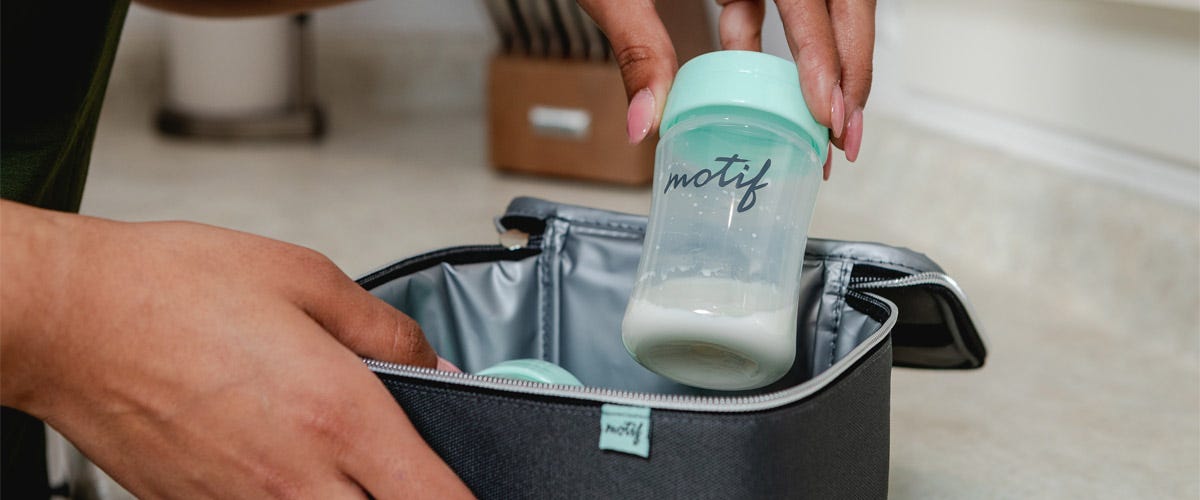

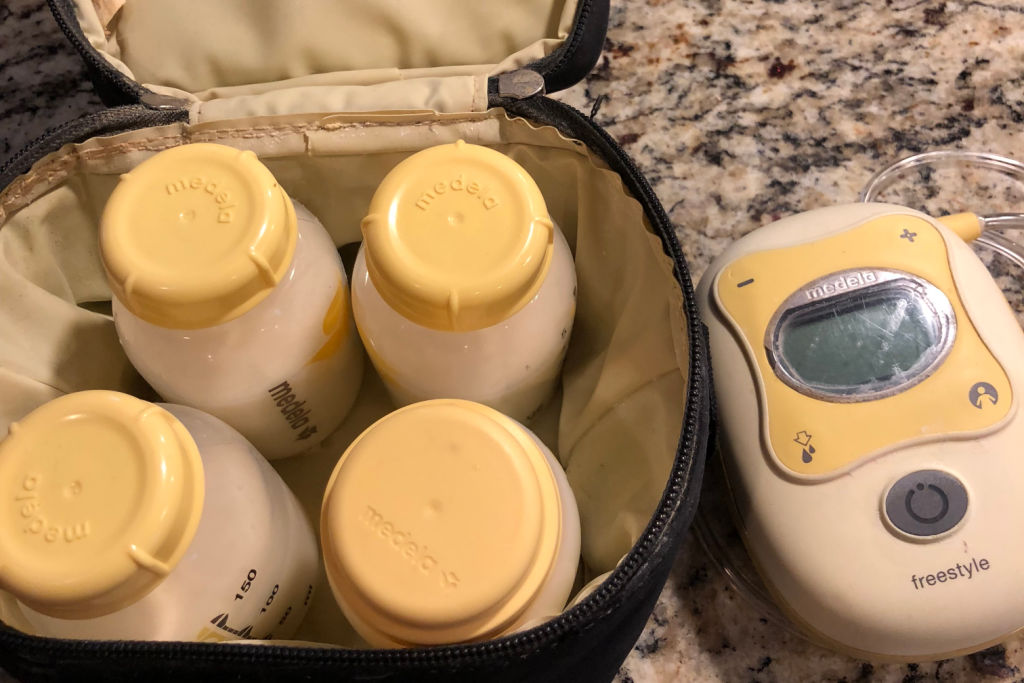
You need to keep breast milk cold during your trip to ensure it stays safe for your baby. To do this, you need ice packs, gel packs, or other cooling inserts. Yes, TSA officers allow these things in your carry-on luggage.
Approved Uses of Ice Packs and Gel Inserts
- Ice packs and gel packs can be placed directly on breast milk containers to maintain proper temperature.
- It is recommended to use insulated bags or coolers to keep milk cold during your flight.
- TSA may inspect these items separately, but they do not count toward the 3.4-ounce liquid limit.
Tips for a Smooth Experience
- Keep packs secure so they don’t leak or shift during security screening.
- Clearly tell the TSA officer that you have breast milk with ice packs or gel packs in your carry-on bag.
- Consider pre-chilling packs before your trip. You can also use vacuum-sealed storage bags to maximize cooling efficiency.
Packing Strategy: Using the Right Containers to Prevent Leaks
It is not only important that you know the TSA rules, but it’s also important that you use the right containers for your breast milk. With the right containers, you can be sure the milk won’t leak. Other than that, the milk will stay fresh and proper storage will make the security screening much faster.
Recommended Containers:
- Breast milk storage bags: These storage bags are pre-sterilized, leak-proof, and space-saving. Look for double-sealed options for extra security.
- Plastic or glass bottles with tight lids: Make sure the caps are really secured. Also, consider covering them with plastic wrap to prevent spills.
- Insulated containers or mini coolers: These containers are ideal for keeping milk cold, especially when combined with ice packs or gel inserts.
Packing Tips to Prevent Leaks:
- Double-bag milk storage: Place each bottle or bag in a sealed plastic bag to catch any potential spills.
- Keep upright at all times: Keeping the milk upright reduces the risk of leakage during handling and inspection.
- Use padding: Tuck milk containers between soft items, like clothes or towels, inside your cooler to prevent shifting.
- Separate milk from other items: It is much better to keep milk separate from electronics or important documents to avoid a mess if a leak happens.
Traveling Without Baby: Knowing Your Rights as a Pumping Parent
Even if your baby is not traveling with you, you can still bring breast milk. Yes, the TSA and the airlines still recognize your rights as a pumping parent. You can bring breast milk, ice packs, and other pumping supplies through security under the medically necessary liquids exemption.
Know your rights and the guidelines:
- Carry unlimited quantities of breast milk: TSA does not limit the amount of breast milk you bring, as long as you declare it.
- Use ice packs or gel packs: You may use them to keep the milk cold.
- Bring pumping equipment: Breast pumps, flanges, tubing, and bottles can all be screened separately without counting as liquids.
- Request for private screening: If you’re not comfortable, you can request a private screening for your breast milk and pumping equipment. TSA officers are trained to accommodate privacy requests from passengers.
- Refusal to open milk containers: You have the right to ask that milk containers not be opened unless absolutely necessary. TSA officers may use alternative screening methods, like chemical or X-ray testing.
- Rights across all airports and airlines: TSA rules apply nationwide. Although most airlines also allow priority boarding, extra carry-on space, or storage support for parents traveling with expressed milk or pumping equipment.
International Considerations: Rules for Layovers and Foreign Security
The TSA guidelines on breastfeeding and pumping equipment are only applicable within the United States. This means the rules can change when you’re flying internationally. Foreign security agencies and layover countries may have different regulations regarding liquids, inspections, and storage.
Rules During International Layovers
- TSA rules apply only at United States departure points. Once you pass through security in another country or re-clear security during a layover, you have to follow the local aviation authorities’ rules.
- Some airports may limit the amount of liquids, even for breast milk, or require additional documentation or an explanation.
- Breastmilk that remains frozen solid is often easier to pass through security during international layovers than liquid milk.
At foreign security checkpoints, expect manual inspections or visual checks, especially in countries with stricter liquid controls. Also, some officers may not be familiar with breast milk exemptions. Be ready to explain politely that breast milk is medically necessary.
Tips for International Travel
- Research your destination and layover airports before flying to understand their security rules.
- Pack documentation, like airline policy printouts or a brief medical note, to support your explanation if questioned.
- Use high-quality insulated bags and extra ice packs to maintain temperature through long layovers.
- Allow extra time for security checks, which can take longer outside the United States.
