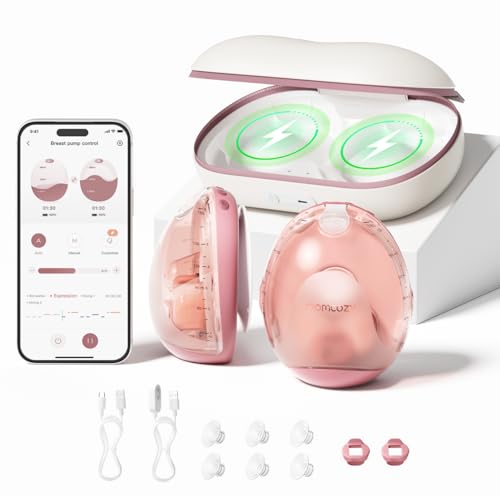
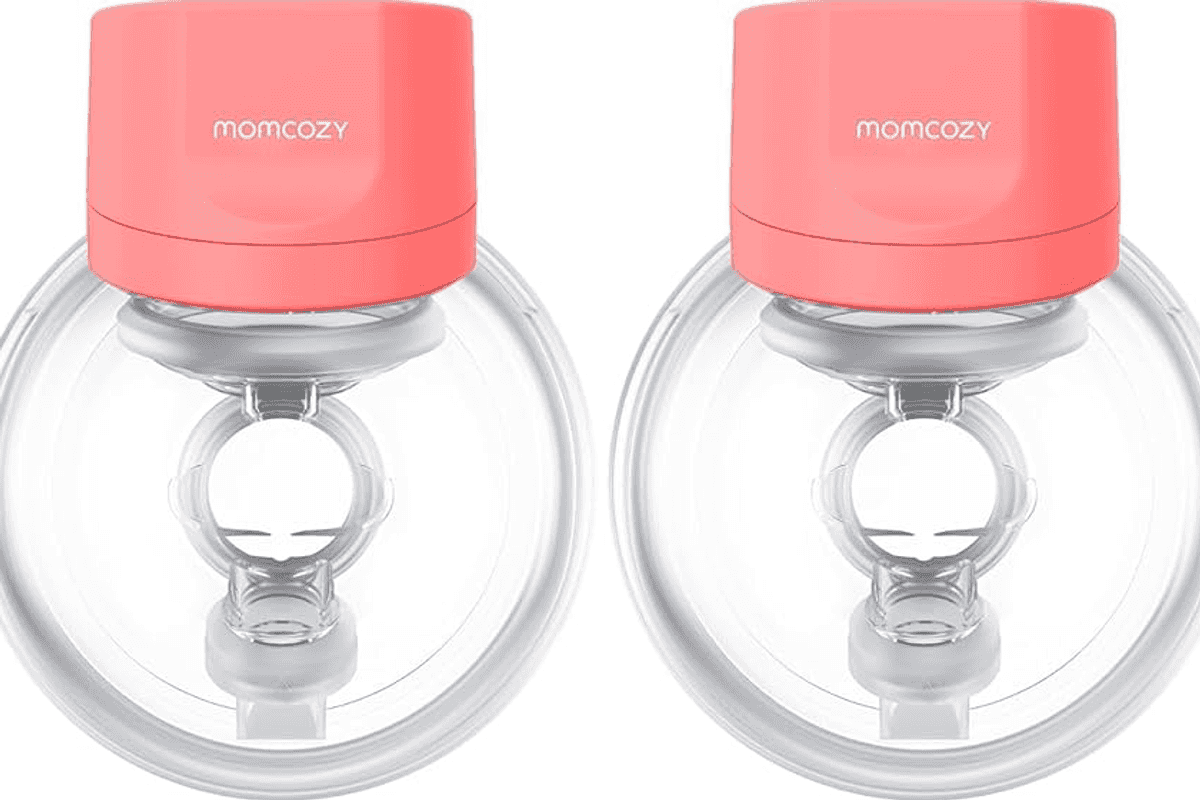
Pumping can be a key component of the feeding journey for many mothers. Whether the ultimate goal is to build a breast milk stash, maintain a milk supply, or pump when a mother is away from the baby, all mothers eventually ask the same question: When to stop pumping?
There is no single correct answer because it ultimately depends on one's feeding dynamics, comfort level, and emotional readiness. Knowing how and when to get to that point should help ease the transition for both your body and heart. If one is still milking, a good breast pump kit can streamline milk production even more efficiently.
Knowing When to Stop Pumping
There is no exact answer for when to stop pumping - it will depend on your baby, your body, and your own goals for feeding ethics. Every breastfeeding journey is unique, and each mom's experience looks different when each family does what feels right. Most moms decide to stop when:
- Their baby is weaning off of breast milk and onto solids or formula - usually at 6-12 months when their nutritional needs go beyond exclusively milk.
- They achieve their feeding goal: (like giving breast milk only for 6 months, or pumping until they're ready to start baby foods, etc)
- Their milk supply decreases naturally & confirms their body is leveling off factory settings.
- Their schedule and lifestyle change, making it harder to pump consistently.'' You might also decide to stop if you:
- Find that pumping is uncomfortable, stressful, or tiring based on just the time and energy required.
- start to get a reduced supply of milk after having pumped consistently and staying hydrated.
It's also essential to pay attention to what your body is telling you. Ongoing breast tenderness, fatigue, and burnout might be signs that it's time to start thinking about winding down. Stopping doesn't equate to failure. Stopping means you are changing things up to what is going to work better for you and your baby right now.
How to Create Your Gradual Reduction Schedule
When you decide to stop the pumping routine, the best thing to do is to take it slowly. Stopping quickly or due to engorgement can trigger blocked ducts or mastitis. Taking the reduction slowly can help your system adjust safely to milk production.
Here is an example of how to wean off pumping:
Week 1: You can reduce each pumping session by 5-10 minutes. Or simply pump to comfort - do not pump until you feel removed of all breastmilk.
Week 2: You can cut one pumping session out of each day - I would work off the session that is producing the least amount of breastmilk. Make your sessions further apart in your day.
Week 3-4: You may now continue to decrease one pumping session about every few days. Let your breasts guide you - fullness and sensitivity will gradually go away on their own.
If you were pumping 5-6 times a day, the entire process may take 3-4 weeks, but it will vary by person.
A quality breast pump kit with adjustable breast cup sizes can help make this stage easier, as you can adjust suction for comfort when pumping schedules are interrupted.
How to Manage Physical Comfort During Weaning
As you produce less milk, you may feel full or mildly uncomfortable. Good management will help you transition comfortably and avoid problems.
Here are some useful comfort measures:
- Express small amounts: Pump or hand express small amounts to relieve pressure—not enough to empty the breasts, or your body will continue to produce more milk.
- Cold packs: Chilled gel packs or cabbage leaves can help reduce swelling when applied to the breast for 10-15 minutes.
- Supportive bras: Use soft, well-fitting bras that provide gentle support without compression, avoiding anything too tight that may cause blocked ducts.
- Pain relief (if needed): Over-the-counter medications like ibuprofen can relieve soreness or inflammation (check with your healthcare provider first).
- Hydration, water, and easy nutrition: Proper hydration and nutrition will help support hormonal balance as your body weans from producing milk.
If you notice redness, warmth, or fever, these may indicate infection or mastitis, so please call your doctor right away!
How to Address the Emotional Side of the Transition
Weaning from pumping is not just a physical change — it can also involve a lot of emotions. For many mothers, it signifies the end of an important chapter in your journey of nurturing. It is entirely normal to feel relief, sadness, guilt, and pride all at once.
Consider the following approaches to take care of yourself:
- Reframe the transition: You are not “quitting” — you are moving on to the next stage of motherhood. You did something amazing for your baby by nourishing them in this way.
- Share your feelings: Talk to your partner, a friend, or in a support group. Other mothers have experienced these feelings and can lend you some perspective and support.
- Create new ways to bond: Find something to do together to replace pumping or nursing, like looking at books or singing together. This can take the place of bonding time so you still feel connected.
- Be gentle with yourself: Recognize all of the things you have done and give yourself permission to rest. It's totally ok to grieve the end of this chapter of your life while feeling excited to begin the next chapter.
Conclusion
Choosing when to stop pumping is a highly individual decision based on your baby’s age, your milk supply, and your lifestyle. Some women stop when their babies start solids; others continue until their toddlers are well into their second year. There’s no wrong choice - the most important thing is that you’re comfortable with it. If you are still pumping, having a reliable breast pumping kit means you can continue to have fun and get your sessions done as you get closer to weaning.
From Your Site Articles
Related Articles Around the Web