
The Conversation (0)
momcozy
Caffeine in Breast Milk: What Every Nursing Mom Needs to Know
How caffeine affects breast milk, baby sleep, and feeding routines.
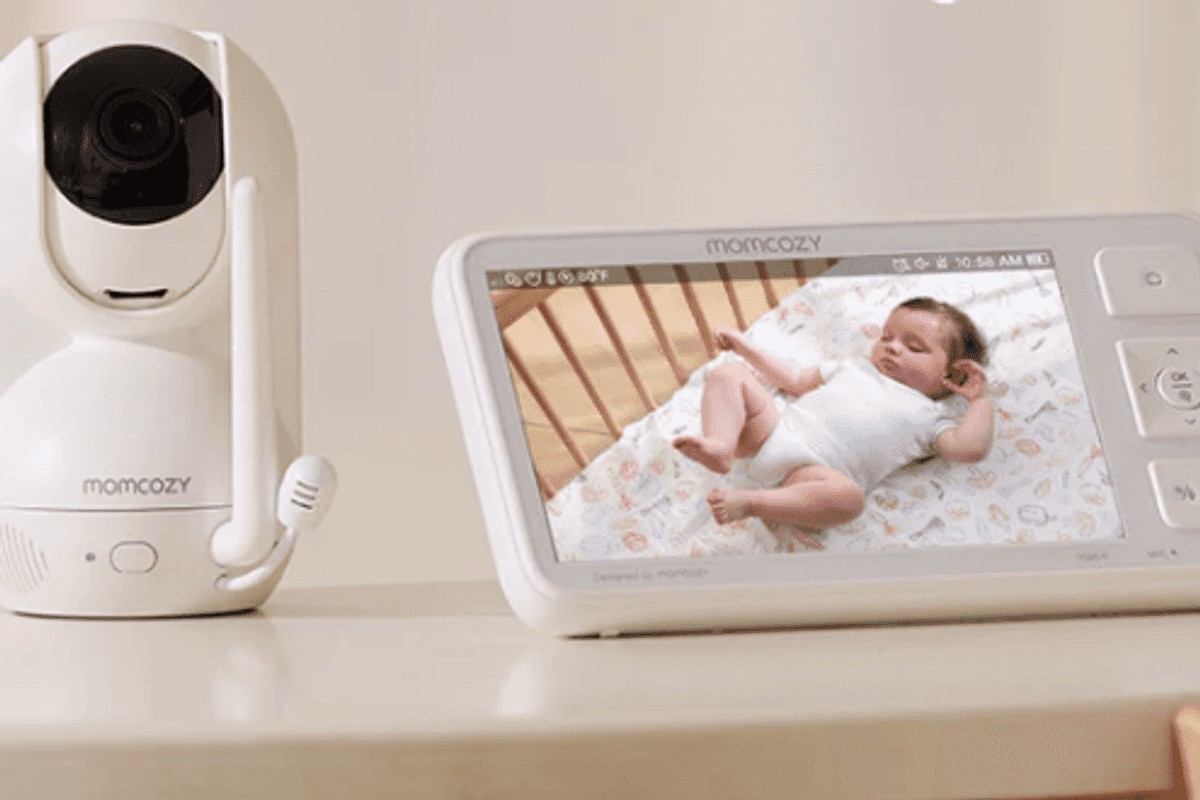
If you like coffee or chocolate, you may be wondering how the caffeine in breast milk affects your baby. Even the tiniest amounts can sometimes make your baby fussy or restless. A baby video monitor can help you observe your baby after a feeding to see if they are getting fussier than they were before.
In this article, you will learn how caffeine gets into your breast milk and what the safe daily caffeine limits are. You’ll also get advice on timing your coffee around feedings, signs of sensitivity to look for, and the hidden sources of caffeine.
When you consume coffee, tea, or chocolate, caffeine rapidly enters your bloodstream and can be excreted into your breast milk. A tiny amount makes it through to your infant, usually less than 2% of what you take. After feeding, you can watch your baby on a baby monitor to see whether breast milk affects their sleep or behavior.
Levels of caffeine in breast milk peak approximately 1 to 2 hours after consumption. How long it stays depends on your metabolism, how much caffeine you consume, and your baby's age. Newborns and preemies metabolize caffeine much more slowly than older babies.
 Recommended Daily Caffeine Limits for Nursing Mothers Miku
Most experts claim that moderate amounts of caffeine are safe while breastfeeding. Caffeine is found in many foods and beverages, such as coffee, tea, chocolate, and energy drinks. Monitoring everything you consume can help prevent your baby from being exposed to excess caffeine through breast milk.
Make sure to keep your caffeine intake below 300 mg per day. Keeping an eye on your little one on a baby video monitor may help you determine how they respond to caffeine. Following these guidelines will help keep your baby safe and healthy.
Some infants can handle caffeine without any problems, but others have immediate reactions. Newborns metabolize caffeine at a slower pace, so even tiny amounts can be too much. A caffeine-sensitive baby can begin to show changes within a few hours after a feed. These are the signs that too much caffeine in breast milk is bothering your baby:
Caffeine in breast milk can be detected as early as 15 minutes after consumption, and it usually peaks 1 to 2 hours after consumption. Levels begin to drop as your body processes caffeine, with about half gone in 3 to 7 hours. Most of the caffeine flushes out an adult body within a full day.
Babies metabolize caffeine at a slower rate than adults. Newborns can hold caffeine for several days before levels drop. A baby video monitor can help you see the changes in your baby's sleep after feeding, when you eat chocolate, drink coffee, or tea.
 File:The newborn baby in men.jpg - Wikimedia Commons commons.wikimedia.org
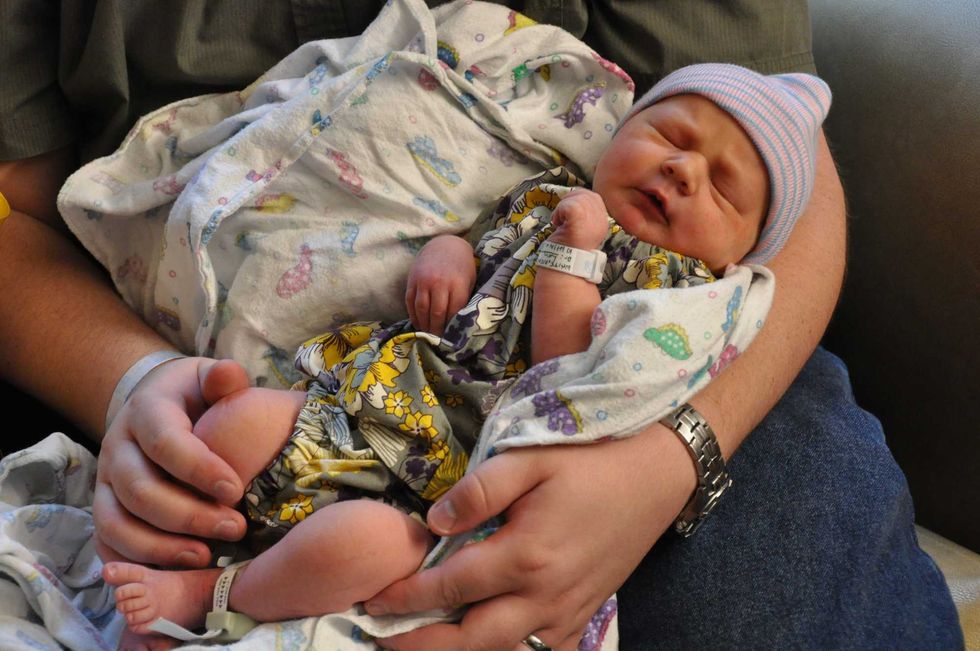
Newborns and preterm babies are more sensitive to caffeine as their bodies are still developing and still learning how to handle everyday substances. Their livers do not metabolize caffeine efficiently, so small amounts may remain in their bodies for days. When caffeine in breast milk accumulates, they can get overstimulated a lot faster than an older baby.
Preterm babies face an even bigger challenge because organs develop later. Caffeine can linger longer and affect sleep and comfort. Many moms find it easier to notice nighttime changes in their babies’ behavior or movement with a baby video monitor.
Many moms worry a simple cup of coffee will harm their milk supply, so some constantly monitor their babies after feeding using a baby video monitor. Online rumors tend to make caffeine seem scary and unsafe. Here are some of the most prevalent myths about caffeine in breast milk and what scientific research actually shows:
Consuming coffee immediately after a feed allows your body more time to eliminate caffeine before the next feeding. Caffeine in breast milk tends to peak about one to two hours after you ingest it. Waiting 2 to 3 hours before your next feeding can reduce the amount of caffeine that reaches your baby.
Morning is often the best time for caffeine because feedings are more spaced out. You can stop drinking coffee by early afternoon to protect your evening sleep. A baby video monitor can help you find out how timing your coffee affects your baby’s rest.
Caffeine hides in many places beyond coffee and tea. Pain relievers, cold medicines, supplements, chocolates, flavored waters, and even some “herbal” drinks can contain surprising amounts. Each small source adds up and can increase caffeine in breast milk more than you might expect.
Energy drinks, special teas and diet products can contain more caffeine than the labels indicate. Chocolate and sodas can discreetly increase daily caffeine intake. If you don’t track your total caffeine intake, you may notice caffeine sensitivity symptoms in your baby while watching them on a baby video monitor during quiet rest times.
GearBrain Compatibility Find Engine
A pioneering recommendation platform where you can research,
discover, buy, and learn how to connect and optimize smart devices.
Join our community! Ask and answer questions about smart devices and save yours in My Gear.