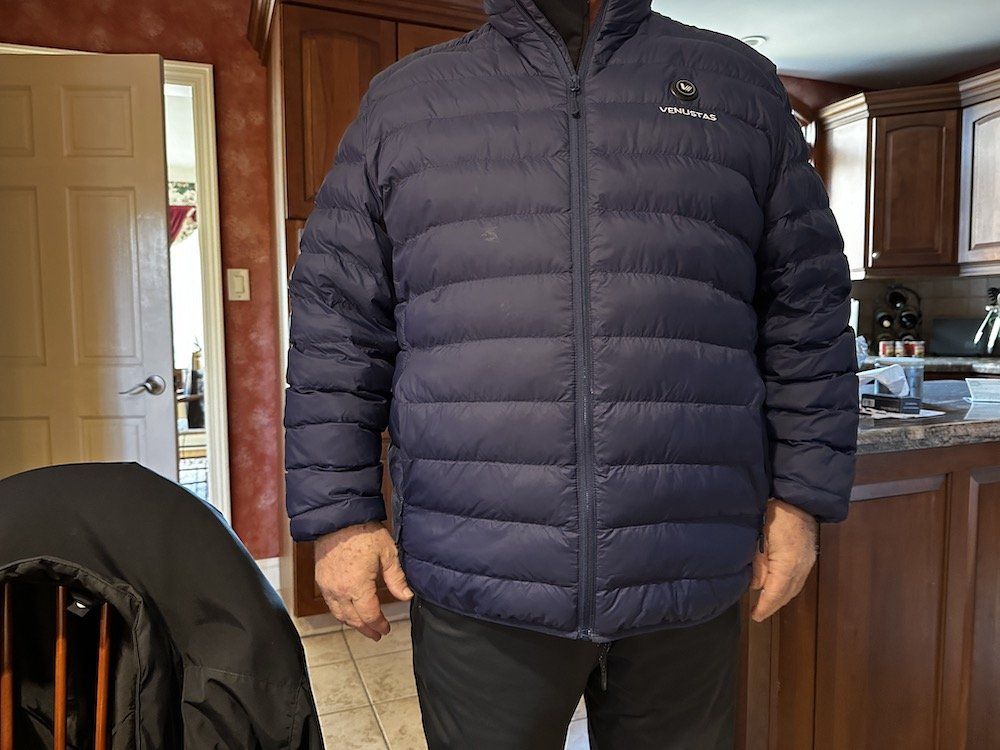
Everything You Need to Know About Heated Clothing
Standing outside for hours in real cold exposes the limits of ordinary insulation fast. A heavy coat traps body heat, but it can't generate any: once your hands or feet lose warmth, no amount of extra fleece brings it back. That's the problem heated clothing is built to solve, and why the category has grown well beyond a niche for ice fishermen and hunters.
Heated garments work differently from a standard parka. Thin heating panels are sewn into the chest, back, collar, or glove fingers and sock toes, wired to a small rechargeable battery pack. Flip a switch, and the panels warm directly against the body instead of just holding heat in. Several outdoor brands, includingActionHeat, build this into full product lines: jackets, vests, gloves, socks, and base layers, aimed at construction crews, hunters, commuters, and anyone who stands still in cold air for a living or a hobby.
Most buyers get one thing wrong: treating heated clothing as a single category. The battery, the heat settings, and where the panels sit all change performance, and getting any of them wrong is why some heated jackets end up in a drawer by January.
What the battery actually determines

The battery is the single biggest factor in how a heated garment performs, more so than the fabric or the label on the tag.
Battery type | Runtime | Best for |
5V rechargeable pack | 4 to 8+ hours per charge, adjustable by heat setting | All-day wear, cold-weather work, hunting |
AA battery pack | Shorter runtime, lower heat output | Occasional use, lighter budgets, backup gear |
A 5V pack costs more but runs longer and hits higher output, useful if you're outside from sunrise to sunset. AA-powered pieces are a reasonable way to try heated clothing without committing to the higher price.
Why heat settings matter more than the top number
Every heated garment advertises a peak temperature, but the number that matters day to day is how many settings sit below it. A jacket that only offers off and max burns through battery fast and leaves no room to adjust as conditions change. Three heat levels, controlled at the touch of a button, let you drop to low for a car ride and jump to high the moment you step outside.
What to check before buying

- Panel placement. Chest and back panels warm the core; glove and sock panels need to sit at the fingertips and toes, not just the back of the hand or the ankle.
- Battery runtime at your typical heat setting, not just the maximum advertised figure.
- Washability. Garments with a removable battery and sealed connector can go through a washing machine on gentle cycle; some products can't.
- Warranty length and return window, since heating elements are the part most likely to fail first.
How to match gear to the job
Activity | What matters most |
Silent battery pack, long runtime, camo or muted colors | |
Outdoor work | Durability, machine washability, high-vis options |
Skiing or hiking | Lightweight base layers, glove dexterity |
Everyday commuting | Lower cost, shorter runtime is fine |
Why the right pairing matters more than any single feature
A jacket with a strong battery but only two heat settings leaves you stuck between too warm and too cold. Gloves with good panels but a weak battery go cold two hours into a six-hour sit. Garments worn all season are the ones where battery, settings, and panel placement were chosen for one specific use, not picked off a shelf because the price looked right.
Conclusion
Heated clothing solves a problem layering alone cannot: it adds warmth instead of just holding in what your body already produces. The category rewards buyers who match gear to actual use rather than buying on peak temperature claims alone. A hunter sitting still for six hours needs a different setup than a commuter walking ten minutes to a train, and the battery type, heat settings, and panel placement should change accordingly. Check runtime at your normal setting, confirm the garment washes the way you do laundry, and read the warranty before buying rather than after something stops heating. Get those details right and heated clothing starts doing what extra layers never could: keeping the cold out for good.
