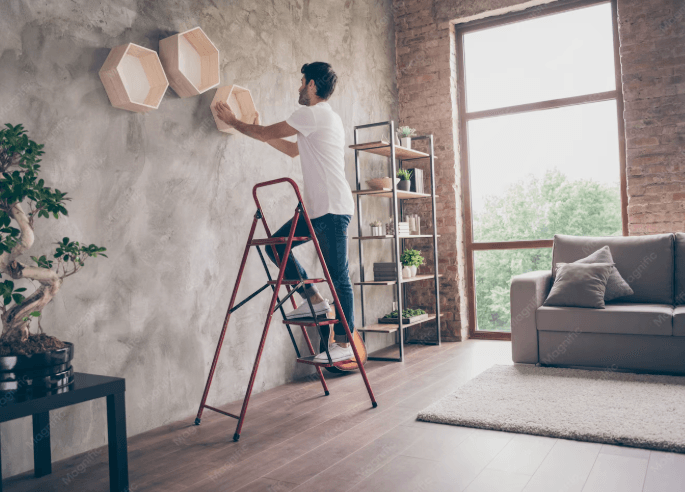
14 Home Improvement Projects Worth Considering for Every Part of the House
Home improvement does not always require a full renovation. Often, a series of thoughtful upgrades can improve comfort, functionality, appearance, and long-term usability throughout the home.
From small interior updates to practical outdoor changes, choosing projects based on how each space is actually used can make improvements feel more purposeful.
Here are 14 home improvement projects worth considering across different areas of the house.
1. Refresh the Entryway
The entryway creates the first impression of a home and also handles daily traffic. Consider updating worn flooring, adding better lighting, installing wall hooks, or introducing a compact storage bench.
A more organized entrance can make everyday routines easier while reducing clutter around the front door.
2. Upgrade Kitchen Storage

Kitchen renovations do not always need to involve replacing cabinets. Improving storage can make a noticeable difference.
Consider:
- Pull-out cabinet organizers.
- Drawer dividers.
- Open shelving.
- Pantry storage systems.
- Vertical storage for baking trays.
3. Improve Kitchen Lighting
Layered lighting can improve both visibility and atmosphere. Combine general ceiling lighting with task lighting around food-preparation areas.
Under-cabinet lights are particularly useful around countertops, while pendant fixtures can help define islands or dining areas.
4. Update Interior Walls
Changing wall finishes is one of the simplest ways to refresh a room. A new coat of paint can help brighten darker areas, create visual contrast, or make adjoining rooms feel more connected.
Before choosing a colour, consider existing flooring, furniture, natural light, and how the room looks throughout the day.
5. Add Practical Living Room Storage

Living rooms often need to accommodate entertainment equipment, books, décor, and everyday belongings.
Built-in shelves, modular cabinets, media storage, or floating shelves can help reduce clutter without using excessive floor space. Storage solutions can also become part of the room's overall design.
6. Improve Flooring in High-Traffic Areas
Hallways, kitchens, entrances, and family rooms experience considerable wear. Replacing damaged or difficult-to-maintain flooring can improve both appearance and practicality.
When comparing materials, consider durability, moisture resistance, maintenance requirements, and how the surface feels underfoot.
7. Create a More Functional Home Office

A home office should support concentration and organization rather than simply provide a desk.
Useful improvements may include better lighting, additional electrical access, shelving, cable management, and ergonomic furniture placement. Even a small workspace can become more efficient with thoughtful planning.
8. Upgrade Bathroom Storage
Bathrooms benefit greatly from vertical storage. Wall-mounted cabinets, recessed shelving, vanity organizers, and floating shelves can provide useful storage without making the room feel crowded.
Moisture-resistant materials are particularly important when planning bathroom improvements.
9. Refresh Bathroom Fixtures
Replacing dated faucets, showerheads, cabinet hardware, or lighting can update a bathroom without changing its entire layout.
Before beginning, check existing plumbing dimensions and connections so replacement fixtures are compatible with the current setup.
10. Improve Basement Functionality
Basements can serve many purposes, including storage, recreation, fitness, or additional living space.
Before focusing on finishes, evaluate moisture control, insulation, lighting, flooring, and ventilation. Planning the right building supplies for the conditions of the space can help create a more durable and comfortable result.
11. Add Garage Organization
Garages can quickly become difficult to navigate when tools, seasonal items, bicycles, and household supplies compete for space.
Wall-mounted racks, shelving systems, pegboards, cabinets, and ceiling storage can help make better use of areas that would otherwise remain unused.
12. Improve the Patio or Deck
Outdoor areas can become extensions of indoor living spaces when they are planned around everyday activities.
Consider creating separate areas for dining, conversation, and relaxation. Choosing appropriately sized outdoor furniture can help maintain comfortable walkways while making the space more useful for family time or casual gatherings.
13. Upgrade Outdoor Lighting
Outdoor lighting can improve visibility around entrances, pathways, patios, and steps.
A combination of wall fixtures, pathway lights, and subtle accent lighting can make outdoor spaces easier to use after sunset. Consider where lighting is genuinely needed rather than illuminating every part of the yard equally.
14. Garbage Storage, Bike Storage, Backyard storage solutions

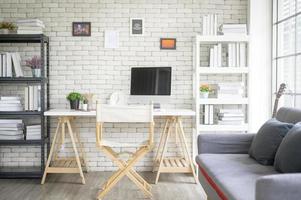
Garden tools, cushions, outdoor equipment, and seasonal accessories need suitable storage.
A shed, deck box, wall-mounted system, or weather-resistant cabinet can help protect these items while keeping outdoor areas organized. Choose a solution that matches both the available space and the amount of equipment being stored.
Planning Home Improvements With Purpose
The most effective home improvement projects usually solve a practical problem while improving how a space looks or feels. Rather than renovating everything at once, consider which rooms create the most inconvenience, require the most maintenance, or no longer suit your lifestyle.
By prioritizing projects room by room, homeowners can gradually create a more comfortable, organized, and functional home without relying on one large-scale renovation.
