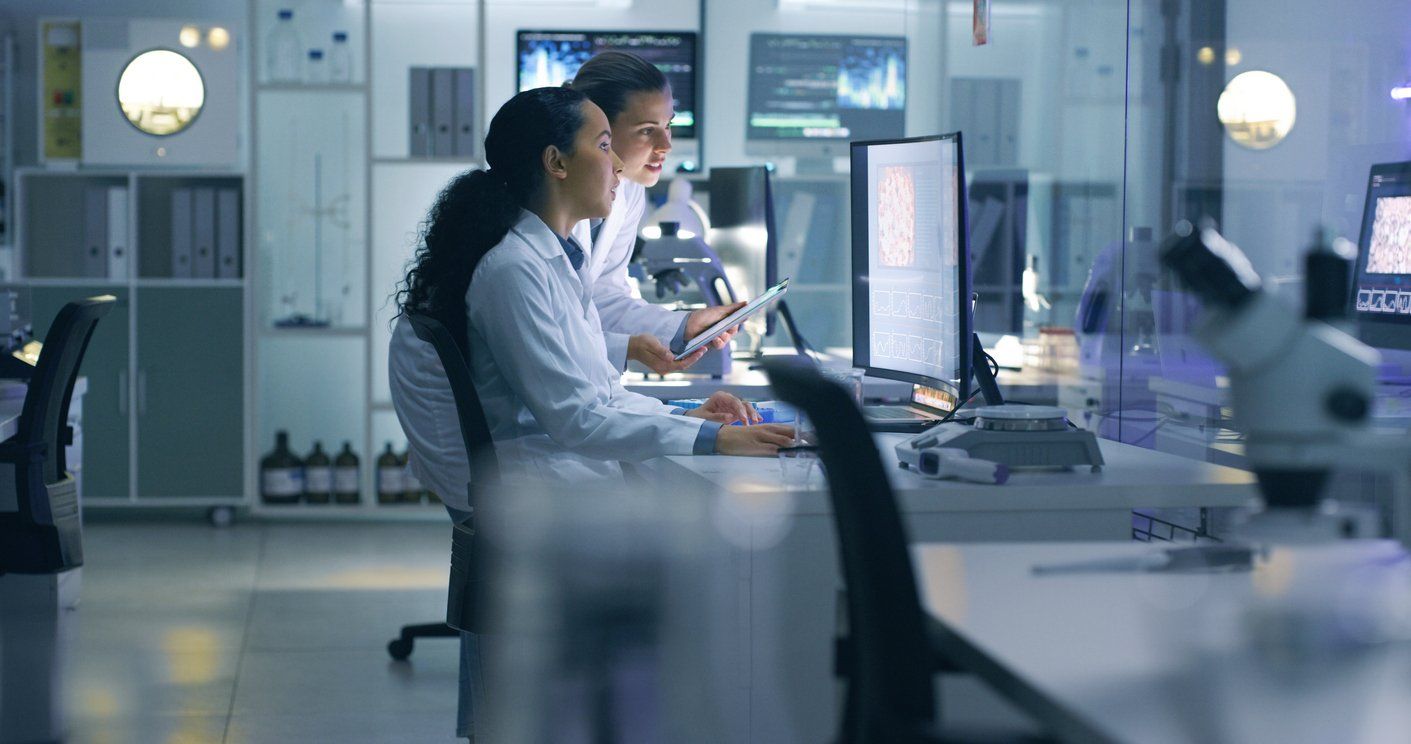
How Lab Automation Is Speeding Up Drug Quality Testing
Smart home devices get most of the attention when people talk about automation, but some of the most interesting work is happening in places most people never see. In drug testing labs, robots and connected instruments now handle jobs that used to take a technician an entire shift.
Every batch of medicine has to pass quality checks before it ships. Someone has to measure, dissolve, filter, and analyze samples, then record every result so a regulator can review it later. The tech that speeds up that process looks a lot like the connected gear readers already use at home, just built for much stricter rules.
The testing bottleneck
Many drug companies send this work to outside specialists, known as contract labs. These labs test samples for dozens of clients, and each client wants fast answers without any shortcuts. That combination puts pressure on the same few steps, especially sample preparation and data entry, where manual work is slow, and mistakes are easy to make. In a busy week, a single lab may receive hundreds of samples, each with its own paperwork and deadline.
The practical answer has been automation. Instruments that can prepare samples, run tests overnight and send data straight to a lab's software help with scaling throughput in a contract lab without hiring a larger team for every new client. The goal is more tests per day with fewer chances for human error.
What lab automation looks like

Laboratory automation covers a wide range of equipment. At one end are simple autosamplers that feed vials into an instrument one after another. At the other are robotic arms that move samples between stations, open and close containers, and handle liquids with precise volumes.
Dissolution testing is a good example. It measures how quickly a tablet releases its active ingredient in a liquid that mimics the stomach. When done by hand, a technician must pull small samples at set times, filter them, and move them to an analyzer. Automated systems handle timing and sampling, so every run follows the same schedule to the second.
The software side matters just as much. Modern instruments log who ran a test, when it ran, and whether anything was changed afterward. Regulators require that audit trail, and collecting it automatically reduces paperwork.
Speed only helps if the results are trustworthy, and that is where software earns its place. Regulators such as the FDA expect labs to show that every number in a report came from a controlled process and was not altered afterward. Paper notebooks and manual spreadsheets make that hard to prove.
Connected instruments store raw data, time stamps and user actions in one place, so an auditor can trace a result back to the exact run that produced it. For lab managers, this is often the bigger selling point. A faster instrument saves hours. A clean audit trail can save a company from a failed inspection, which may delay a product launch by months.
The smart home connection

Much of this will sound familiar to anyone who has set up connected devices at home. The same ideas that let a thermostat learn a schedule or a hub run routines across devices, covered in GearBrain's look at AI in smart homes and automation, apply in the lab. Devices talk to a central system, follow set routines and report their status without someone checking each one.
Robotics is following a similar path. Companies building home service robots with Toyota's support are tackling the same problems lab robot makers face: handling objects gently, working safely around people, and recovering when something goes wrong.
What it means for labs and patients
For the labs, the benefits are straightforward. Instruments can run overnight and on weekends, which shortens wait times for clients. Results are more consistent because each step happens the same way every time. Staff spend less time on repetitive tasks and more on reviewing data and solving problems.
There are trade-offs. Automated systems cost more up front, and labs need to validate them carefully before using them for regulated testing. A lab must prove the machine produces the same results as the approved manual method, which can take months. Staff also need training, and some technicians worry that automation will cost them their jobs. In practice, most labs that automate move people to data review, method development, and maintenance rather than cutting teams.
For patients, the effect is indirect but real. Faster, more reliable testing helps medicines reach pharmacies on schedule and makes it easier to catch a bad batch before it ships. It also reduces recalls caused by testing errors, which are costly for manufacturers and disruptive for people who rely on a specific medicine. Most people will never see the robots involved, but they benefit from the work.
What to watch next
The next step is tighter connections between machines. Many labs still run instruments from different makers that don't share data easily. Standards that let equipment communicate, much like the push for common smart home protocols, could make entire testing workflows run with far less manual handoff. Cloud-based lab software follows the same trend. Instead of keeping data on a single computer next to each instrument, labs are moving records to secure central systems that managers can review from anywhere, much like checking a smart camera feed from a phone.
Artificial intelligence is also starting to appear, mostly in scheduling and data review. Software that spots an unusual result or predicts when an instrument needs maintenance can prevent delays before they happen.
Lab automation will not replace trained scientists anytime soon. It does change what their days look like, with less time moving vials and more time making decisions. For an industry where accuracy and speed both matter, that shift is likely to keep growing.
Meta Ray-Ban (Gen 2) Wayfarer Smart AI Glasses, Matte Black, Clear Lenses
