AI augmented software development is becoming more useful as connected device platforms grow beyond simple mobile apps and hardware dashboards. Smart home systems, wearable devices, connected appliances, security products, energy monitors, and voice-controlled tools all depend on software that can handle device pairing, firmware behavior, user permissions, cloud communication, notifications, compatibility rules, and real-time data. When that software becomes difficult to maintain, even a well-designed device can feel unreliable to the person using it.
The real challenge is not only building new features. Connected technology companies often have to maintain older mobile apps, device management portals, cloud services, admin tools, API layers, and support workflows at the same time. AI can help engineering teams understand existing logic faster, prepare tests for device behavior, document hidden dependencies, and reduce repetitive review work. The value comes from using AI as support for experienced developers, not as a shortcut around product judgment.
How AI augmented software development improves connected product delivery
Connected device software involves many components. A single user action may involve a mobile screen, a cloud API, a device command, a local network condition, a user account rule, and a notification service. When a team changes one part of that chain, the effect can appear somewhere else: a delayed alert, a pairing failure, a sync problem, or a device state that looks different across the app and dashboard.
A partner working as an ai-augmented software development company can support this work by using AI for code analysis, refactoring suggestions, test preparation, and documentation updates while engineers remain responsible for architecture and release decisions. That balance matters for connected products because reliability depends on the whole system, not one clean feature branch.
A strong delivery process should help teams answer practical questions before release. Which device states can change offline? Which app screens depend on stale data? Which API responses affect notifications? Which firmware versions behave differently? Which tests should block a production rollout? AI can help gather signals and prepare the review, but senior engineers still need to decide what is safe to ship.
Why connected devices create difficult software maintenance work
 Why connected devices create difficult software maintenance work iStock
Smart devices often stay in homes and offices for years, while the software around them changes constantly. Apps receive updates, cloud services move, security requirements evolve, and new platform rules appear. A device that worked well at launch may become harder to support when the codebase grows around quick fixes, old integrations, and undocumented assumptions.
This is where AI augmented software development can be useful inside maintenance work. It can help teams scan old modules, summarize logic, identify repeated patterns, and suggest where tests are missing. That does not remove the need for human review. It gives developers a clearer starting point when a product has years of behavior hidden in code, tickets, comments, and release notes.
Connected product area | Common software problem | AI-supported delivery task |
Device onboarding | Pairing fails under certain router or account conditions | Identify repeated failure paths and suggest test coverage |
Notifications | Alerts arrive late or use inconsistent wording | Compare trigger logic and app message behavior |
Firmware support | Different versions behave differently | Map version-specific rules and documentation gaps |
Mobile app state | Device status looks outdated after reconnecting | Review caching, sync, and API response handling |
Support tools | Agents lack clear device history | Summarize data flow and improve internal records |
Testing should reflect how people actually use devices
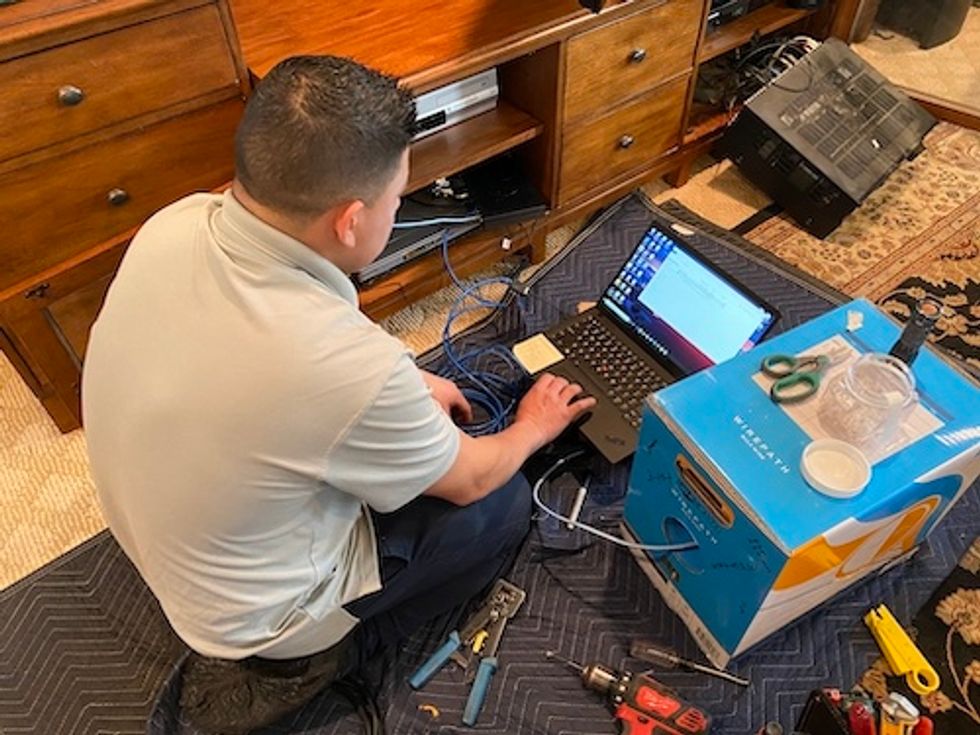
 A Practical Test Plan for Smart Home Products GearBrain
People rarely use connected products in perfect conditions. People change routers, lose Wi-Fi, share accounts, move devices between rooms, ignore updates, switch phones, or use several platforms in one home. A test plan that only checks the ideal flow will miss the problems that create support tickets later.
A practical testing process for connected device software can follow these steps:
- Test the normal setup flow with a new account and a clean device.
- Repeat setup after a failed pairing attempt.
- Check behavior when the phone loses connection during setup.
- Test device status after app restart, cloud delay, and network recovery.
- Compare behavior across supported firmware versions.
- Confirm notification timing, wording, and user permission rules.
- Save failed cases as regression tests before the next release.
A practical example from smart access control
A smart access product may work correctly in the lab but create problems in apartment buildings, shared offices, or homes with several users. One person adds a guest code, another changes account permissions, the device briefly loses connection, and the app later shows a status that does not match the device. The issue may not sit in the lock itself. It may come from sync timing, account rules, cached app data, or an unclear status message.
An AI-supported review can help the team trace related code, identify repeated permission checks, draft missing tests, and organize documentation around account states. Developers can then decide which logic needs refactoring and which screens need clearer wording. The outcome is not faster code for its own sake, but a more reliable product flow that reduces confusion for users and support teams. It is a more reliable product flow that reduces confusion for users and support teams.
What companies should measure after adopting AI-supported delivery
 What companies should measure after adopting AI-supported delivery iStock
More generated code is not a useful success metric. A connected device company should measure whether software becomes easier to maintain, test, and support. Useful signals include fewer repeated pairing issues, faster bug investigation, better test coverage, clearer release notes, shorter onboarding for engineers, and fewer support escalations caused by confusing device states.
Product teams can also track documentation quality. When support agents, QA engineers, developers, and product managers use the same explanation for device behavior, users usually receive better answers. That is where AI support can create quiet value: not by replacing expertise, but by helping teams organize what they already know and apply it consistently.
AI augmented software development works best with product discipline
AI augmented software development can help connected device companies improve delivery when the process stays grounded in real product needs. Smart home platforms, wearables, security systems, and connected appliances all depend on software that must remain reliable across networks, devices, accounts, and updates. AI can help teams analyze old code, prepare stronger tests, document hidden logic, and reduce repetitive engineering work.
The companies that benefit most will not be the ones that chase automation for appearance. They will be the ones that use AI to make product delivery clearer, safer, and easier to maintain. In connected technology, that matters because users judge the whole experience through small moments: a device pairs correctly, a status updates on time, a notification makes sense, and the app does what the hardware promised.
From Your Site Articles
Related Articles Around the Web
 Why connected devices create difficult software maintenance work iStock
  A Practical Test Plan for Smart Home Products GearBrain
  What companies should measure after adopting AI-supported delivery iStock