
A look at how modern stadiums are impacting stat tracking
After a home run, a TV camera flashes two numbers: the exit velocity and the projected distance. They seem straightforward, but the baseball park's dimensions, the air above and inside the stadium, and the cameras that record the action all affect baseball measurements. By using tracking technology and stadium context, MLB analysis lets fans separate skill from factors that affect results. The deeper shot also helps avid fans compare teams or look at MLB game stats.
The technology behind the numbers: A primer on Statcast

Statcast is MLB's tracking and analytics system. It captures pitch and batted-ball movement, and player motion, turning action into data for teams, broadcasters and fans. It has used Hawk-Eye's high-speed cameras since 2020, replacing the TrackMan radar-camera setup used from 2015-2019.
Each MLB ballpark has 12 Hawk-Eye cameras. Five focus on pitches, seven on bat tracking and players. In 2023, the pitch and bat cameras were upgraded to 300 fps. Statcast is being rolled out in all 30 league parks, thus establishing a tracking standard.
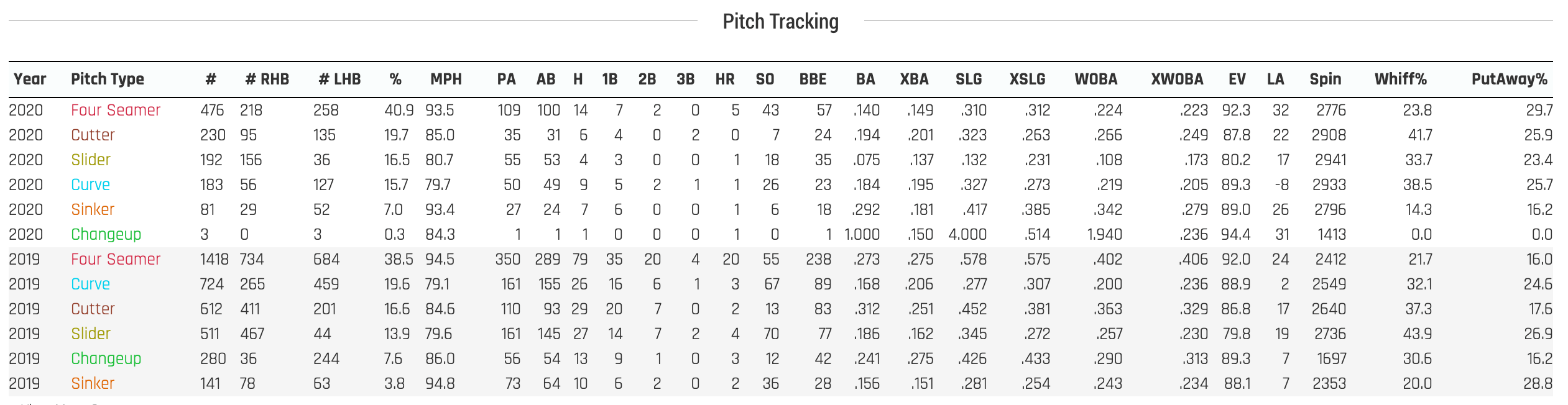
The measurements are easy to take. Exit velocity is the speed at which the ball comes off the bat. The angle of the drop is called the "launch angle". Spin rate is how fast a pitch spins, which affects how it moves. The sprint speed relates to the runner's sprint speed from competitive plays. These numbers tell not only what happened, but also why.
The unseen player: How park architecture shapes the data

A stadium is more than a backdrop. Its geometry and environment can make a hard-hit ball a single, double or home run. Park factors assess scoring and other results at a venue compared with other venues, considering both home and away teams. Statcast provides more information on batted balls, which helps compare parks' performance on balls hit at similar speeds and angles.
Dimensions, fences, and walls
Outfield layouts vary. Fenway Park's Green Monster stands 37 feet above the left field fence, turning some outfields into rebounds or doubles. Left-handed hitters can sometimes hit the ball to Yankee Stadium's short right-field porch. Other balls can be kept in play with a deep center field or high wall.
Statcast's home-run tools compare how a tracked ball's trajectory would look in different parks. A 380-foot fly ball could clear a short fence and land in the outfielder's glove at a deeper park. This comparison only accounts for geometry; it doesn't mean a hitter would swing the same way in every stadium. Nevertheless, it can show why raw home runs can overestimate or underestimate power. Park factors also consider results beyond homers.
Atmosphere and environment
Air matters. Coors Field sits a mile above sea level, where the air offers less resistance, which can help balls travel farther. That is offset by the vast outfield of the Rockies. Altitude also affects pitches: breaking balls often travel differently in thin air, creating problems for pitchers and hitters.
Wind can affect fly balls at Wrigley Field, where it shifts in gusts. Humidity effects vary with conditions, and temperature and air density can also affect flight. Statcast measured motion and flight; analysis took place on the differences, which were interpreted according to environmental information and comparisons to other parks. It cannot automatically explain all the strange outcomes.
A retractable roof decreases direct wind and weather exposure when it is retracted, providing more controlled environment than open air park. However, roof status does not cancel out all of the differences between venues.
Designing for data: Are new stadiums built for Statcast?

Enhancing sightlines and seating space is not the only requirement for a modern stadium; it must also support broadcast cameras, replay systems, lighting, communications equipment, and player-tracking devices. Camera placement matters: ensure clear, calibrated camera positions to track players and the ball. Optical tracking relies on consistent lighting, but factors like obstructions and fast play can affect accuracy.
The Texas Rangers' retractable-roof home, the Globe Life Field, is in MLB's modern tracking environment. But, without any evidence from the stadium's designers, it would be incorrect to say the stadium was designed with Statcast in mind. Further, a new technical ecosystem is needed to accommodate new venues, and tracking systems are set up to each park's layout.
What it all means: The impact on teams, fans, and bettors
For teams, park-adjusted data makes it easier to evaluate players fairly. A poor ERA could be due to hitter-friendly conditions; a hitter's homer total could be due to hitter-friendly dimensions. Front offices are factoring in contact quality, the nature of the parks and defensive information as well.
Statcast provides fans with clear context for spectacular plays. Broadcasters can show the effort used when hitting the ball, the angle at which it was hit, or the speed with which an outfielder ran. This information gives insight into an athlete's skill, but one number doesn't tell the whole story: Without EV, a ball's outcome isn't fully described.
While stadium context can help, it isn't certain. Serious models account for park factors along with starting pitchers, injuries, bullpen loads, weather, and market prices. More home runs don't necessarily mean a high-scoring park, and small sample sizes can be deceptive. It's often better to look at several seasons or rolling averages than just a few games.
The benefit of using evidence is that it lets you combine data rather than rely on a single number for prediction. Modern stadiums dictate the action, and Statcast quantifies it. Knowing both lets you turn on-the-fly impressions into informed analysis and play, whether it's player development, a fantasy lineup, or a matchup.
