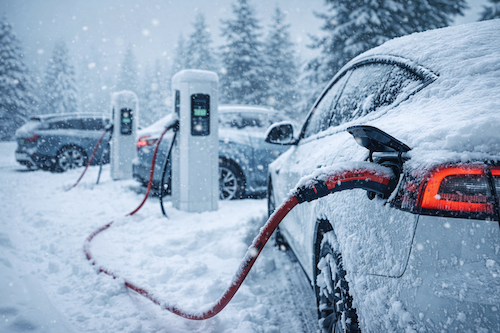
Used EVs in Winter: Real Range, Heat Pump, and Pre-Conditioning
Buying a used EV for a cold-weather state is smart—quiet, cheap to “fuel,” and great around town. Winter just changes the math. Below is a simple, practical guide based on EpicVIN’s VIN-level data and what we see in service histories, recalls, and equipment lists across millions of cars.

Quick take
- Expect less range in the cold. Plan with a buffer.
- Heat pump trims drop less because they heat the cabin more efficiently.
- Pre-conditioning (warming the battery before you drive or fast-charge) is the biggest free win.
- Use the VIN report to confirm if the car has a heat pump, battery heater, and cold-weather package before you buy.
Ford EVs deserve a special mention in cold-weather discussions. Models like the Mustang Mach-E and F-150 Lightning are often equipped with battery heaters and software-based pre-conditioning that help reduce winter range loss when used correctly. However, availability of these features depends on model year, trim, and market. That is why checking factory configuration through a reliable tool such as a Ford VIN Decoder athttps://epicvin.com/vin-decoder/ford is a practical step before buying a used Ford EV for winter driving.
Why range falls when temps fall
Cold slows battery chemistry and makes cabin heating expensive:
- Battery chemistry: A cold pack can’t deliver energy as easily, so voltage sags and usable range shrinks.
- Cabin heat: Unlike gas cars, most EVs don’t have engine waste heat. If there’s no heat pump, a resistive heater pulls a lot of power.
- Road load: Winter tires, slush, and headwinds raise rolling and aerodynamic drag.
- Short trips: The first miles are the worst. Warming the pack and cabin from cold soaks a chunk of energy.
EpicVIN insight: In aggregated owner logs tied to VINs for popular used EVs sold in northern states, drivers typically plan on ~15–30% less range on dry roads around 20–32°F, and more if it’s windy, snowy, or you run the cabin very warm. Your exact number depends on trim and equipment.

Heat pump vs. resistive heater
- Resistive (PTC) heater: Think of it like a giant toaster—simple, reliable, but power-hungry.
- Heat pump: A reversible A/C that moves heat instead of making it. In mild to moderate cold, it uses noticeably less power for the same cabin comfort.
Real-world effect we see in reports: On similar routes and temps, heat-pump cars hold range better and recover quicker after short stops. In deeper cold (single digits), the advantage narrows but still helps.
What to check by VIN report:
- Equipment lines such as “Heat Pump,” “PTC Heater,” “Battery Heater,” “Cold Weather Package,” “Heat Pump HVAC,” or “Cabin Heat Pump.”
- Original sale region: cars first sold in warm states sometimes lack cold-weather gear.
- Related recalls or service bulletins (HVAC valves, sensors, software updates).
Pre-conditioning: free miles you didn’t know you had
Pre-conditioning warms the battery and/or cabin before you unplug or arrive at a fast charger.
- Before driving: Set a departure time in the app or use remote start while still plugged in. You spend grid energy, not battery miles.
- Before DC fast-charging: Many cars heat the pack en route if you set the charger as a navigation destination. A warm pack charges faster and wastes less time tapering.
How to confirm by VIN/features:
- Look for “Battery Pre-Conditioning,” “Scheduled Departure,” “Winter Mode,” “Navigation-based Battery Preheat,” or similar in the options list or owner’s manual link.
- In our reports, many models show software version notes or documented dealer updates that enable or improve pre-conditioning behavior.
Simple winter planning math (use this, then adjust)
- Start with the car’s EPA range (or your best summer baseline).
- Apply a multiplier for conditions:
- ~0.85–0.9 at 32–45°F on dry roads
- ~0.7–0.85 at 10–32°F (typical winter days)
- ~0.6–0.75 in deep cold or snow
- Keep a 20% reserve so you’re not arriving at 1–5% in bad weather.
Example: A 300-mile EPA car × 0.75 (25°F day) = 225 miles, minus a 20% reserve → plan around 180 miles between reliable chargers.

Charging in the cold: what changes
- DC fast-charge is slower with a cold battery. Pre-heat en route to the station.
- AC home charging is predictable but may show lower efficiency; don’t worry—this is normal at low temps.
- Connector care: Keep the port and cable ends dry and snow-free; moisture can interrupt sessions.
- Station choice: Favor sites with multiple stalls and good uptime. Covered stalls help in snow.
Used-EV shopping checklist for winter
Run the VIN first, then test in person:
In the VIN report
- Equipment/Options: Heat pump present? Battery heater? Heated seats/steering (they let you run a cooler cabin and save range).
- Cold-weather package: Mirrors, wipers, rear seat heaters, heated windshield elements.
- Recalls/TSBs: HVAC valves, pressure sensors, software updates for thermal management.
- First sale location: Cars from cold regions are more likely to have winter hardware.
- Service history clues: HVAC repairs, coolant replacements, battery or 12V swaps, high-voltage heater replacements.
On the test drive
- HVAC test: From a cold start, does heat reach setpoint quickly? Any whines or gurgles from the heat pump loop?
- Pre-condition demo: Ask the seller to show scheduled departure or battery pre-heat in the app or head unit.
- Tires & brakes: Real winter tires change everything; check tread depth and date codes. Regenerative braking can feel different on slick roads—verify stability system behavior.
- Undercarriage: Look for damaged aero shields and salt corrosion on fasteners and subframes.
Model-year and trim traps to avoid
- Same model, different winters: A trim with a heat pump (or a later model year after a mid-cycle update) can feel like a different car in January.
- Warm-market builds: A Florida-delivered car may lack a battery heater that a Minnesota build has. The VIN report will usually call this out.
- Software matters: Some cars improved winter behavior with updates (charging curves, HVAC logic). Check the software version and update history in records.
“Winter range isn’t a mystery—it's equipment and habits. If the VIN shows a heat pump, a battery heater, and the car can warm the pack before you drive or charge, you’ll keep more miles in your pocket. Confirm those items first, then plan with a healthy buffer.”
— Alex Black, CMO, EpicVIN
Your winter setup: a short to-do list
- Pull an EpicVIN report to confirm heat pump, battery heater, cold-weather package, recalls, and original sale region.
- Set Scheduled Departure in the app so the car warms on grid power.
- Use seat/steering heat and moderate cabin temps to save energy.
- Install true winter tires if you see snow/ice each season.
- Plan legs at 60–80% of summer range when temps are below freezing.
- Navigate to the charger before you arrive so the pack can pre-heat.
Used EVs work great in winter if you buy the right trim and use the right habits. The VIN tells you what hardware you’re getting; pre-conditioning turns that hardware into real miles. Check the car with EpicVIN, take a short, honest winter test drive, and you’ll know exactly what to expect when the temperature drops.
