GPS vs Bluetooth Trackers: When to Use Each for Family Safety
Families today rely on tracking devices to stay connected and ensure the safety of children, seniors, and pets. With multiple technologies available, understanding their differences has become essential.
GPS and Bluetooth trackers offer two distinct approaches to monitoring movement and locating important items. Each provides unique strengths depending on distance, environment, and real-time visibility needs.
Choosing the right tracker begins with knowing how each technology functions in everyday situations. By comparing their capabilities, families can make confident decisions that match their safety priorities.
What Are GPS Trackers?

GPS trackers are small devices that use satellites to share a loved one’s location in real time. Families rely on them to know where children, seniors, or pets are at any moment, especially when they’re out on their own.
These trackers send location updates through cellular networks, allowing parents to check movements from a simple phone app. This gives families peace of mind during school commutes, outdoor activities, or situations where someone may wander.
Tracking devices are especially helpful when distance and safety are concerns, such as a child walking to school or an elderly family member living with memory challenges. Their consistent, reliable updates make them a trusted tool for keeping families connected and protected.
How Do GPS Trackers Work?
GPS trackers operate by receiving positioning signals from several satellites and using those signals to calculate an exact location. Parents gain steady, reliable visibility into where kids, seniors, or pets are at any moment of the day.
Location details move from the device through a cellular network to a caregiver’s phone or app. Real-time updates give families immediate awareness of movement, which supports faster, calmer decision-making.
Extra functions such as route history, safe-zone alerts, and movement notifications strengthen daily peace of mind. Caregivers stay informed about changes in routine and can act quickly if something feels out of place.
Advantages and Disadvantages of GPS Trackers
Advantages | Disadvantages |
Provides real-time location updates for continuous monitoring. | Requires cellular coverage to send location data. |
Works across long distances, making it reliable for outdoor tracking. | Uses more battery power compared to Bluetooth trackers. |
Offers high accuracy for tracking kids, seniors, and pets. | Often involves monthly subscription fees. |
Supports geofencing alerts to notify families when someone leaves a safe area. | Limited performance indoors or in areas with weak signals. |
Stores location history to help review routines or movements. | Devices are usually larger than Bluetooth trackers. |
What Are Bluetooth Trackers?

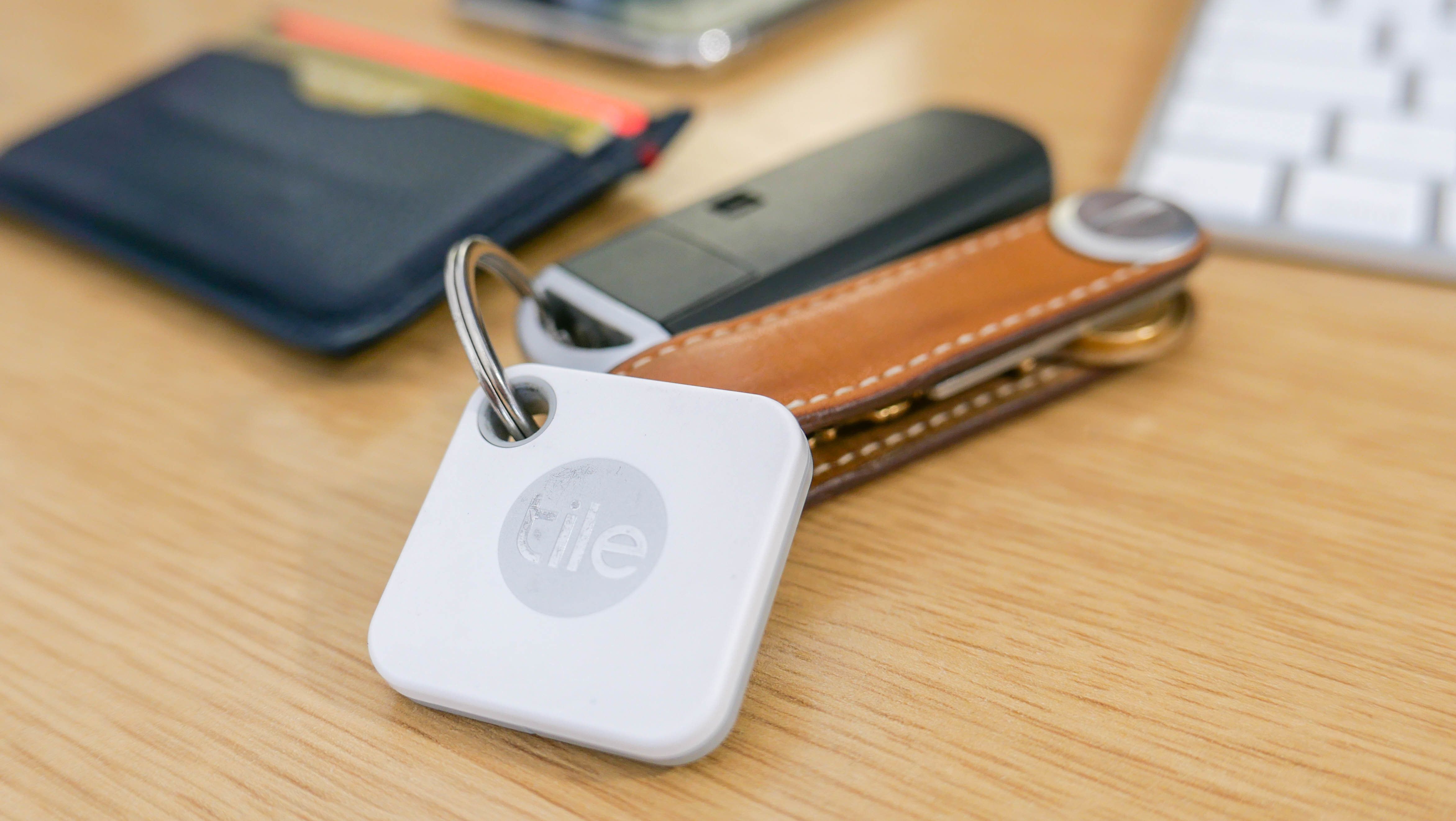
Bluetooth trackers are small devices that help families keep track of items within a short distance. They connect to a nearby phone and show the item’s last known location when separated.
Families often attach them to backpacks, keys, or other belongings that kids or elderly members may misplace. This simple setup makes daily routines easier by reducing the frustration of lost items.
These trackers are designed for quick, close-range retrieval rather than long-distance monitoring. Their compact size and long battery life make them a convenient option for everyday use.
How Do Bluetooth Trackers Work?

Bluetooth trackers operate by sending a wireless signal to a paired phone whenever they are within range. The phone receives the signal and displays the item’s location on an app.
When the tracker moves out of range, the app records the last place the phone detected it. Families can use this marker to retrace steps and locate missing belongings.
Some Bluetooth trackers can also rely on large crowdsourced networks to update a location if another nearby phone detects the device. This feature increases the chance of finding an item in busy areas like malls, schools, or parks.
Advantages and Disadvantages of Bluetooth Trackers
Advantages | Disadvantages |
Simple setup and easy for families to use daily. | Limited range, usually only effective within short distances. |
Long battery life with minimal maintenance. | Cannot provide real-time movement tracking. |
Compact size makes them easy to attach to small items. | Relies heavily on a nearby phone to function. |
Helpful for finding misplaced belongings quickly. | Accuracy decreases when walls or interference block the signal. |
Often more affordable than GPS-based devices. | Unsuitable for tracking kids, seniors, or pets over long distances. |
What Are the Key Differences Between GPS & Bluetooth Trackers?
Key differences between GPS and Bluetooth trackers determine how well each option supports everyday family safety and household routines.
Range and Family Mobility Needs
GPS covers long distances, helping families keep track of kids walking to school, teens traveling independently, or seniors who may wander. Bluetooth works only within short range, making it useful for finding belongings that stay close to home or school.
Accuracy and Real-Time Awareness
GPS delivers live, precise updates that reassure parents when a child or elderly relative is on the move. Bluetooth provides general proximity cues, which suit stationary items but not people who may change locations quickly.
Battery Use and Family Convenience
GPS requires more power because it sends frequent updates, so families charge these devices more often. Bluetooth uses very little energy, allowing parents to attach one to a child’s backpack or keys without thinking about frequent recharging.
Safety Use Cases in Daily Family Life
GPS supports high-safety situations where distance, movement, or risk levels are unpredictable. Bluetooth fits low-risk scenarios, such as keeping track of school gear, toys, or household essentials that tend to get misplaced.
Cost and Long-Term Family Planning
GPS often involves subscription fees to maintain reliable, real-time tracking. Bluetooth trackers typically require no ongoing cost, making them budget-friendly for families managing multiple items.
When Should You Use a GPS Tracker for Family Safety?
GPS trackers become especially useful when loved ones travel beyond close range or move through unpredictable environments. Families rely on them during school commutes, outdoor activities, or situations where consistent visibility matters.
Parents often choose GPS tracking for children who walk alone, ride the bus, or participate in after-school programs. The ability to check movement in real time helps reduce worry and supports quick action if routines change unexpectedly.
Seniors with memory challenges and pets that tend to wander also benefit from GPS monitoring. Distance coverage, accurate updates, and safety alerts create a dependable layer of protection for families managing active or vulnerable individuals.
When Should You Use a Bluetooth Tracker for Family Safety?

Bluetooth trackers are most helpful when families want a simple way to keep track of everyday belongings. Items like backpacks, keys, or school supplies often get misplaced, and Bluetooth tracking reduces the frustration that comes with searching for them.
Short-range detection works well in predictable places such as homes, classrooms, parks, or stores. Parents can quickly check whether an item is nearby without going through a long search routine.
Crowdsourced location features offer occasional support in busy areas, giving families a chance to recover items lost outside of normal range. While not suitable for tracking people or pets, Bluetooth technology offers a reliable solution for managing household essentials.
Final Verdict
GPS and Bluetooth trackers each play a meaningful role in keeping families organized and informed, but they serve different purposes. GPS fits situations where movement, distance, and real-time awareness matter, while Bluetooth works best for preventing the loss of everyday items.
Parents often choose GPS when they need steady visibility of kids, seniors, or pets throughout the day. Families lean toward Bluetooth for simple, close-range tracking that supports smoother routines at home and school.
The most effective choice depends on how far loved ones travel, how often belongings go missing, and how much reassurance a family needs. When these factors are clear, selecting the right tracker becomes a straightforward decision that strengthens daily safety and peace of mind.
