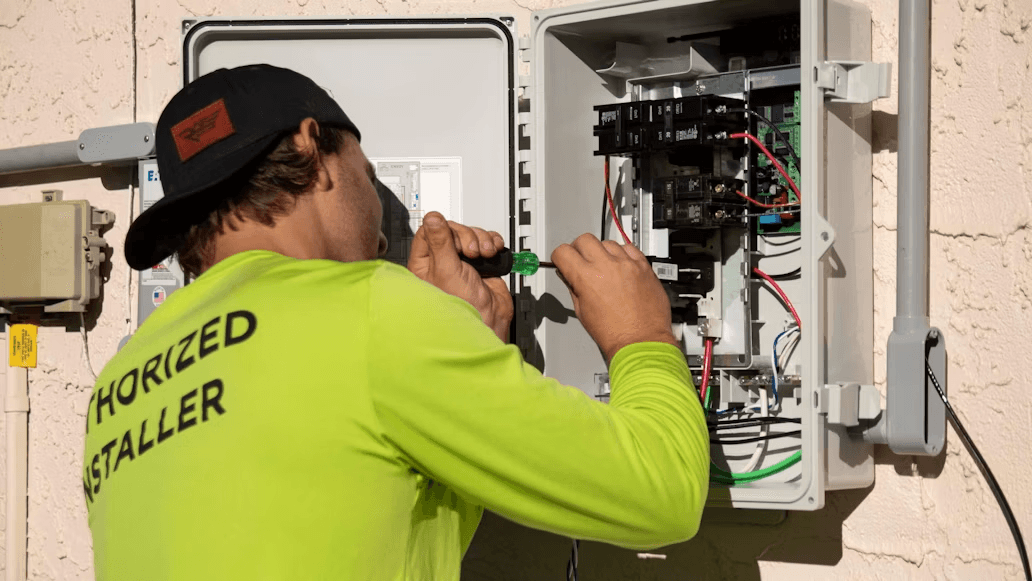
From DIY Smart-Home Projects to a Technical Trade: Is HVAC the Right Career Move?
According to the US Bureau of Labor Statistics, in 2025, the median pay of heating, air conditioning, and refrigeration mechanics and installers was $61,010 per year or $29.33 per hour. Employment in this area is expected to grow 11% from 2025 to 2035, a higher rate than the average for all occupations.
This means that if you're good with your hands and want a more fulfilling career, it's a good time to switch. Here's what you need to consider to make the jump.
Start by Comparing What an HVAC Training Program Actually Offers
Before enrolling in an HVAC technician school, prospective students should compare hands-on training, certification preparation, class schedules, and career-support services. It's common for programs to combine classroom instruction with:
- Demonstrations
- Shop work
- Simulations
- Supervised practice on equipment
The program format you choose matters, since HVAC work is more than theory. You'll also need to be comfortable using tools and troubleshooting systems.
Many programs offer daytime, evening, and flexible classes. This means that you can choose ones that fit your busy schedule.
Look for Lab Experience That Builds Job-Ready Skills
Lab experience can make it much easier to move from student to entry-level HVAC worker. You should be able to work directly with all sorts of HVAC equipment in a controlled environment.
You may practice tasks such as:
- Electrical testing
- Ductwork
- Refrigerant-system diagnostics
- Component replacement
- Brazing
- Airflow measurement
- Equipment maintenance
Choose a program that gives you repeated opportunities to troubleshoot realistic problems, as this can build confidence. By the time you're out in the field, you'll know how to handle any HVAC system and its issues.
Treat Safety Education as a Core Part of HVAC Preparation
It's easy to focus solely on the HVAC side and treat safety as a secondary topic. But the reality is that HVAC technicians often work around the following hazardous things:
- Electricity
- Combustion equipment
- Pressurized systems
- Refrigerants
- Sharp metal
- Ladders
This makes it imperative for you to choose a program that makes safety education a main topic. Students should learn how to:
- Use personal protective equipment
- Identify electrical hazards
- Handle tools correctly
- Work safely around combustion appliances
- Follow procedures for handling and recovering refrigerant
Understand Which Certifications Can Strengthen Your Starting Position

Certifications can help set you apart from the competition, especially if you don't have much professional experience. Fortunately, some programs incorporate certification preparation into the coursework, so you can study for the exams while simultaneously developing practical skills.
Areas that certification preparation might cover include:
- Refrigeration principles
- Electrical systems
- Air conditioning
- Heating
- Refrigerant handling
Do note that certifications don't automatically replace required work experience, licensing, or employer-specific training.
Research Local Licensing Requirements Before Choosing a Program
HVAC regulations vary by state, county, city, and other jurisdictions, so think carefully about where you want to build your career. Some locations regulate specific types of HVAC work, which may require you to get a license or work as an apprentice first.
Before you enroll in a program, understand the rules of the area you intend to work. While the school may help you prepare for relevant exams or understand the experience needed for a future license, you still need to verify the requirements with the appropriate local or state licensing authority.
Map Out a Realistic Entry-Level HVAC Career Path

If starting out as an independent contractor feels too daunting, there are other ways to enter the industry. They include:
- HVAC helper
- Installer assistant
- Maintenance technician
- Apprentice
- Entry-level service technician roles
It's completely normal to start with basic tasks and be supervised while you do them. Over time, you can then develop specialized skills in areas such as commercial HVAC or building automation.
Becoming an HVAC Professional Can Be a Good Move
Switching careers to become an HVAC professional can be a wise move, especially if you already have DIY knowledge and experience. Your curiosity, passion for all things HVAC, and a reputable program can lead to a rewarding career path.
Check out the website for more informative posts now.
