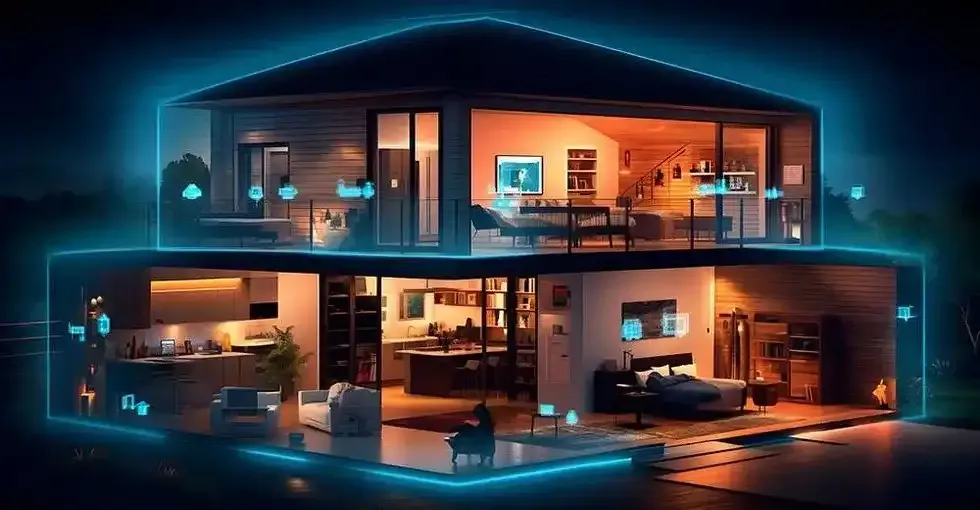
The Rise of Smart Home Technology and Connected Devices
Smart home technology has rapidly become one of the biggest trends in modern living. From voice assistants to automated lighting systems, connected devices are changing how people interact with their homes every day. As digital technology continues to evolve, even online entertainment platforms like Jili reflect the growing integration of connected systems and smart experiences into modern lifestyles. Smart home devices now offer greater convenience, improved security, energy efficiency, and seamless automation, making them increasingly popular worldwide.
What Is Smart Home Technology?
Smart home technology refers to devices and systems connected through the internet that can communicate, automate tasks, and be controlled remotely.
These devices often include:
- Smart speakers
- Smart lights
- Smart thermostats
- Smart security cameras
- Smart locks
- Connected appliances
Most smart devices can be controlled using:
- Smartphones
- Tablets
- Voice assistants
- Central smart-home hubs
The goal of smart home technology is to make daily living easier, more efficient, and more connected.
Growing Popularity of Connected Devices
Connected devices are becoming more common because they provide convenience and automation that traditional systems cannot offer.
Research shows that millions of households worldwide now use smart home devices regularly. (gearbrain.com)
People are increasingly adopting connected technology because it helps simplify daily routines.
For example:
- Smart lights can turn on automatically
- Smart thermostats adjust room temperature based on usage
- Security cameras provide real-time monitoring through mobile apps
These features save time while improving comfort and convenience.
Voice Assistants Changed Smart Homes
Voice assistants have played a major role in the growth of smart homes. Devices powered by AI assistants allow users to control technology using voice commands.
Popular functions include:
- Playing music
- Controlling lights
- Setting reminders
- Checking weather updates
- Managing smart appliances
Voice-controlled systems make technology more accessible and user-friendly.
As artificial intelligence improves, voice assistants continue becoming smarter and more capable of handling complex tasks.
Smart Home Technology Improves Convenience
Convenience is one of the main reasons smart home devices continue to grow in popularity.
Connected systems allow users to:
- Control devices remotely
- Automate daily tasks
- Create personalized routines
- Monitor home systems in real time
For example, homeowners can:
- Lock doors remotely
- Turn off lights using apps
- Schedule appliances automatically
This level of control makes daily living easier and more efficient.
Automation also reduces the need for manual adjustments, helping users save time throughout the day.
Energy Efficiency and Cost Savings
Smart home technology also helps improve energy efficiency.
Devices such as:
- Smart thermostats
- Automated lighting systems
- Smart plugs
can reduce unnecessary energy consumption.
Studies show that smart energy systems help households lower electricity usage and improve efficiency. (cnet.com)
For example:
- Lights can automatically switch off when rooms are empty
- Thermostats can optimize heating and cooling schedules
- Smart plugs can reduce standby power consumption
These features help lower utility bills while supporting environmental sustainability.
Smart Security Systems Enhance Home Safety
Security is another major factor driving smart home adoption.
Modern smart security systems include:
- Video doorbells
- Motion sensors
- Smart locks
- Indoor and outdoor cameras
These devices allow homeowners to monitor their property remotely using smartphones.
Benefits include:
- Real-time security alerts
- Remote access control
- Video monitoring from anywhere
Smart security systems provide peace of mind and improve overall home safety.
Advanced systems can also use AI-powered detection to recognize unusual activity and reduce false alarms.
Internet of Things Drives Smart Home Growth
The Internet of Things (IoT) plays a major role in smart home development.
IoT refers to devices connected to the internet that automatically share and exchange data.
In smart homes, IoT allows devices to:
- Communicate with each other
- Synchronize actions
- Create automated routines
For example:
- A smart thermostat can adjust temperature when sensors detect someone entering a room
- Smart blinds can close automatically during hot weather
This interconnected ecosystem improves efficiency and creates seamless user experiences.
Smart Homes Support Modern Lifestyles
Modern lifestyles often prioritize convenience, flexibility, and digital connectivity.
Smart homes support these needs by offering:
- Remote management
- Personalized automation
- Integration with daily routines
As more people work remotely and rely on digital tools, connected home technology continues to become more useful.
Smart systems also improve accessibility for elderly users and individuals with mobility limitations by simplifying household management.
Technology Advancements Continue Driving Innovation
Technology improvements continue to expand the capabilities of smart home systems.
Recent innovations include:
- AI-powered automation
- Improved voice recognition
- Smart appliance integration
- Advanced home networking systems
Modern smart homes are becoming more intelligent and capable of learning user behavior patterns.
For example:
- AI systems can recommend energy-saving settings
- Smart assistants can anticipate user preferences
- Connected systems can automate routines based on habits
As technology evolves, smart homes are expected to become even more advanced and personalized.
Challenges Facing Smart Home Technology
Despite its advantages, smart home technology also faces challenges.
Common concerns include:
- Privacy and data security
- Device compatibility issues
- Internet dependency
- High setup costs for advanced systems
Cybersecurity remains especially important because connected devices store and transmit user data online.
Experts recommend:
- Using strong passwords
- Updating device software regularly
- Securing home Wi-Fi networks
Improving security standards will remain important as smart home adoption grows.
The Future of Smart Homes

The future of smart home technology looks promising as more companies invest in AI, IoT, and automation systems.
Future trends may include:
- Fully automated homes
- Smarter AI assistants
- Better device compatibility
- Increased energy optimization
- Advanced predictive automation
Industry experts predict that connected devices will continue becoming more affordable and accessible to consumers worldwide. (techradar.com)
As technology improves, smart homes may become standard features in modern housing developments.
Why Smart Home Technology Continues Growing
Several factors continue driving the rise of smart home technology:
- Improved internet connectivity
- Growing demand for convenience
- Increased smartphone usage
- Expansion of AI and IoT systems
- Rising interest in energy efficiency
Consumers increasingly prefer technologies that simplify daily life while improving comfort and security.
This demand is expected to keep the smart home industry growing in the coming years.
Conclusion
The rise of smart home technology and connected devices is transforming how people live, manage their homes, and interact with technology. From voice assistants to smart security systems, connected devices offer convenience, efficiency, and improved safety for modern households.
Advancements in AI, IoT, and automation continue to expand the possibilities of smart living. Although challenges such as privacy and compatibility still exist, smart home technology remains one of the fastest-growing sectors in modern consumer technology.
As connected systems become more advanced and accessible, smart homes are likely to play an even bigger role in shaping the future of everyday life.
