The Conversation (0)
iStock
Why Smart Homes Need Thoughtful Space Planning
Why physical layout matters as much as automation in a smart home
Smart homes promise comfort, automation, and efficiency, but technology alone doesn’t provide it. Devices, hubs, sensors, and supporting equipment all take up room. Without careful space planning, these devices can leave your smart home cluttered, confusing, and harder to manage than you ever imagined: cables tangle, devices fight over the same resource, and everything becomes hard to reach.
Smart-tech-friendly homes don’t just happen—the technology is thoughtfully deployed in each place where the devices will deliver the most benefit, the systems are clearly organized, and space is left for easy maintenance and upgrades. Smart space planning helps technology nestle into your day-to-day life rather than taking it over entirely. A home whose physical layout supports the good work of smart systems feels calmer and more straightforward to use, and leaves room to adapt as technology evolves.
My perspective is that smart homes struggle not because of technology, but because space is treated as unlimited. Devices arrive faster than plans for their placement. Routers, hubs, sensors, and backup equipment end up stacked, hidden, or interfering with each other. This creates frustration and weakens performance. The solution is to design space the same way systems are designed. Decide what must stay visible and what only needs protection and access. Seasonal devices, spare components, or older hardware should not compete with daily-use systems. Having a controlled option like Town Center Dr climate storage NSA Storage allows homeowners to keep smart spaces clean without giving up flexibility. When space limits are respected, technology works quietly in the background instead of demanding constant attention. Smart homes feel calmer when physical layout supports digital intent.
 Organizing devices and systemsiStock
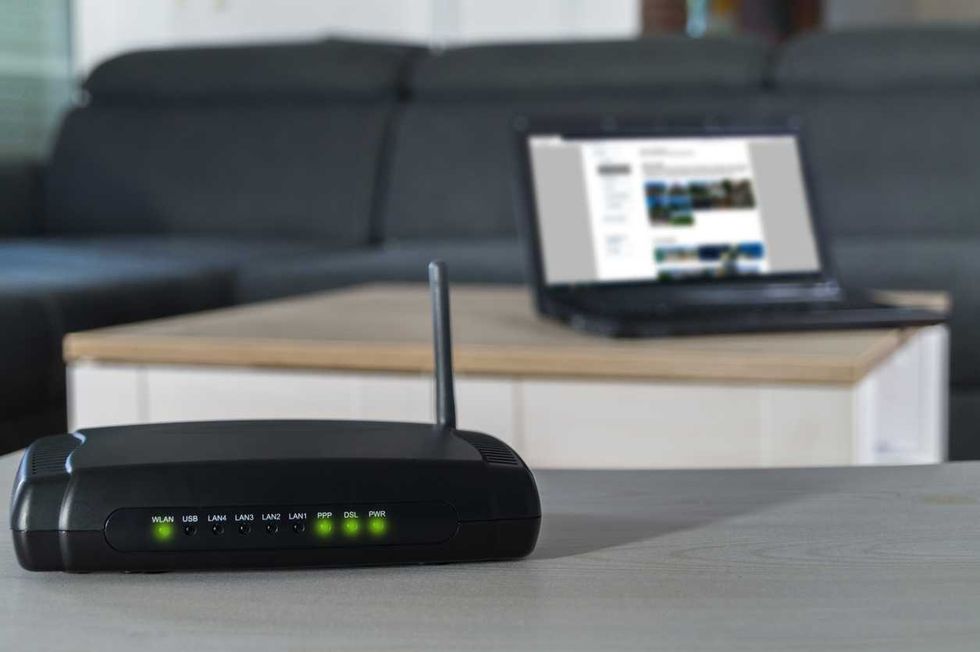
Devices work best when grouped by purpose, not convenience. This improves maintenance and troubleshooting.
Smart systems need room for updates, resets, and repairs.
For a truly low-maintenance setup, consider smart monitoring tools (like the Anticimex SMART pest system) that can run quietly in the background and help you catch issues early without adding extra visual clutter.
What works in practice:
These habits keep smart home systems reliable while preventing clutter from undermining performance.
 Preventing clutter and interference Photo by Jun Ren on Unsplash
Clutter is more than a visual issue in smart homes. It directly affects how systems perform. When devices are packed tightly or placed without intention, signals overlap, airflow is restricted, and maintenance becomes harder. Preventing clutter starts with acknowledging that smart devices need breathing room. Routers, hubs, and control panels work best when they are not hidden behind furniture or buried under cables. Clear spacing reduces signal interference and heat buildup, both of which can quietly degrade performance over time. Cable management is another overlooked factor. Loose or tangled cables make troubleshooting stressful and increase wear on connections. Simple organization tools and defined paths keep everything accessible and safe. Preventing clutter also means resisting the urge to keep everything connected at once. Devices that are no longer in use should be disconnected and stored properly. This reduces background interference and keeps systems focused. A clutter-free smart home feels more predictable. Devices respond faster, updates are easier, and small issues are noticed before they grow. When space is respected, technology becomes less visible and more reliable. Preventing clutter and interference is about creating an environment where smart systems can operate quietly and efficiently without constant adjustment.
 Planning for future upgradesiStock
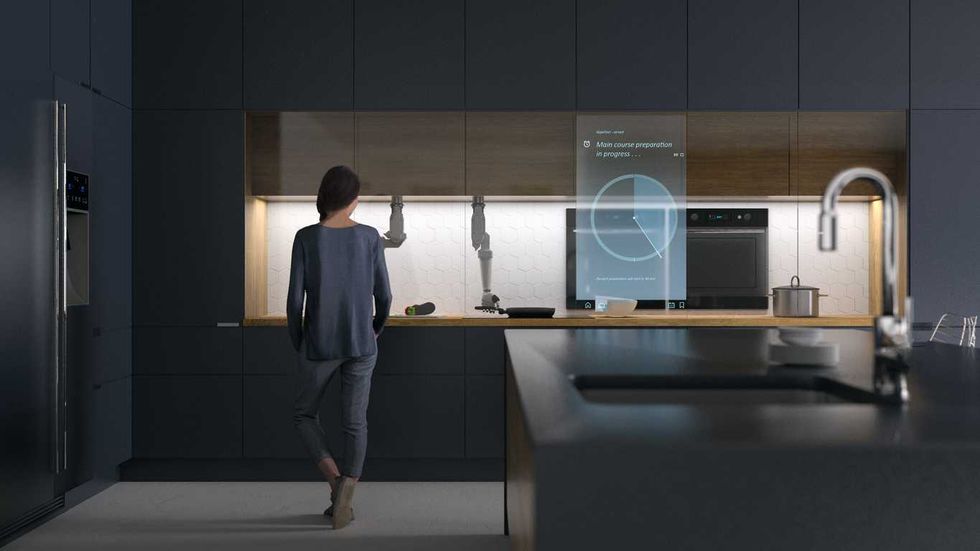
Smart homes evolve, and space planning should anticipate change.
One-day use case:
A homeowner starts the day by adding a new smart sensor. Because space was planned in advance, there is already a clear location and an available connection. Installation is quick and does not require moving existing devices. Later, an older hub is retired and removed without disrupting other systems. Cables are already labeled, making changes easy. In the evening, everything runs smoothly with no interference or confusion. The home feels prepared rather than patched together.
Planning for future upgrades prevents frustration. Leaving room for expansion allows new devices to fit naturally into existing layouts. When upgrades are expected rather than reactive, smart homes remain adaptable. This approach saves time, protects existing systems, and ensures technology can grow without turning living spaces into ongoing projects.
 Keeping smart homes functional iStock
Smart homes can only function as effectively as their space planning allows on a daily basis. The functionality of a smart home often comes down to accessibility, visibility, and ease of maintenance. Devices should be reachable without moving furniture or unplugging multiple systems. If a room is clear and orderly, homeowners are more likely to spot small issues — a cable that’s unplugged, a tablet that feels excessively warm, etc. Functional rooms are also less reliant on memory; if you know exactly where a piece of equipment is located because you plan your smart home layout intuitively, there is less anxiety during troubleshooting. System check-ups matter too: a quick visual inspection, a swipe with a dust cloth, and a review to verify everything is operating smoothly. Periodic check-ups help keep your systems reliable without a follow-up calendar invite, and often it’s when technology integrates seamlessly into our routines and becomes part of regular household maintenance that we get the most use out of it.
Common questions answered:
People often ask how much space smart devices really need. Enough room for airflow and access usually solves most issues. Others wonder if hiding devices affects performance. Poor ventilation often causes problems. Some ask how often layouts should be reviewed. A review once or twice a year is usually enough. Another question is whether adding devices always creates clutter. Thoughtful placement prevents this. People also ask if smart homes require constant adjustment. With good space planning, systems stay stable and need less attention over time.
Why smart homes need thoughtful space planning becomes clear when daily life feels smooth instead of technical. Technology performs best when the physical layout supports it quietly. Take time to look at how devices are placed, accessed, and maintained. Small changes in spacing and organization can significantly improve reliability. When space planning is intentional, smart homes stay adaptable, calm, and easy to live with as technology continues to evolve.
GearBrain Compatibility Find Engine
A pioneering recommendation platform where you can research,
discover, buy, and learn how to connect and optimize smart devices.
Join our community! Ask and answer questions about smart devices and save yours in My Gear.