The Conversation (0)
pexel
Can Your Car Data Be Used in a DUI Case?
How telematics, black boxes, dashcams, and cloud logs can impact DUI investigations and your driving privacy.
Yes, courts can tap into your car data. They can use that to determine fault after you’ve been arrested for drinking under the influence. But situations under which it might be used are often blurry.
It’s often up for debate whoever discovered the wheel, but one thing’s for sure. He or she wasn’t not a genius! But let’s put aside Mesopotamia and the Sumerians of six thousand years back aside for another day’s discussion.
Speed in automobiles has evolved enormously over centuries, from animal-powered carts to gasoline to electric-powered engines that get wheels spinning faster than anything except lightning.
Today’s vehicles run on high-tech. And that’s not just GPS or infotainment. Telematics, anti-lock braking, ignition interlock, name it – modern rigs come fitted with systems that depend on data to help you drive safely and enjoy it.
But a car doesn’t sense when you’re drunk, does it now?
Those are actually under development. They’ll be fitted with advanced alcohol sensors that trigger the vehicle to stop if your breath exceeds a certain level in micrograms per liter.
Event data recorders sound a lot more mysterious than they actually are. They sit quietly in most modern vehicles, logging moments that matter, especially anything unusual like hard braking, sudden turns, or a potential crash.
These systems are often referred to as black boxes, and their logs can become part of an investigation if officers believe impaired driving played a role.
That might include speed, brake timing, or whether you had your foot on the accelerator at the exact moment officers say you were swerving.
 Nexar One Dashcam Nexar
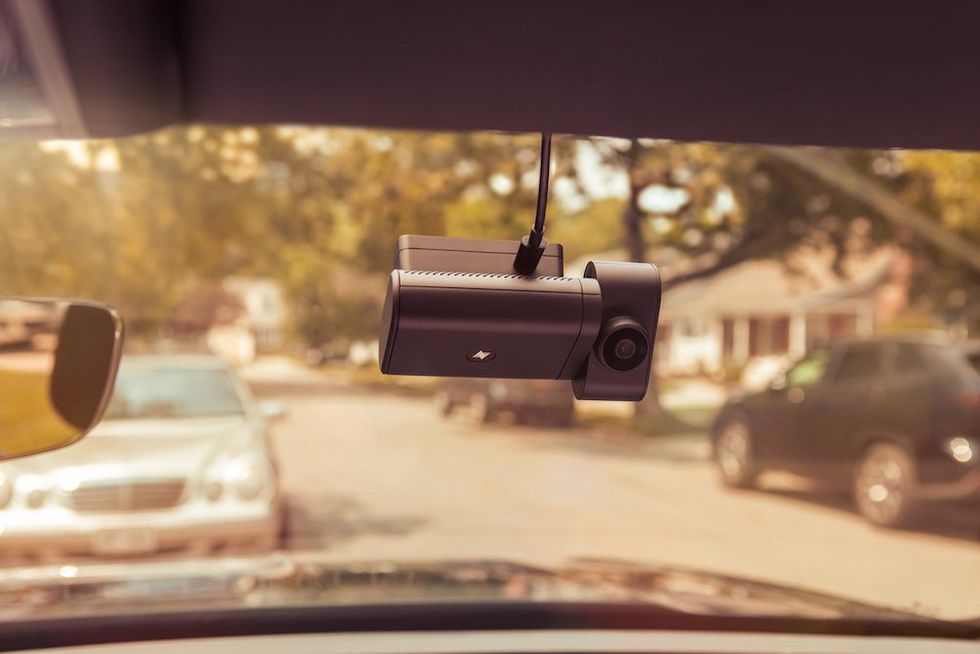
Dashcams also create a timeline of events. Some record cabin audio, while others only capture the road ahead. In the Lone Star State, for instance, League City DWI lawyer Tad Nelson says that analyzing dashboard footage can help determine whether you were actually intoxicated during the arrest, giving drivers another way to clarify what happened.
Rules around accessing black box data vary by state, but many investigations request this information once officers believe it could confirm or challenge their observations.
Automakers track far more information than most drivers realize. Some car companies log real-time location and sudden braking. The routes you take often, and even how long your car sits idle can be on their radar.
These logs can be useful for recalls or safety fixes, but they also raise privacy questions when the data ends up in the wrong hands or is shared too easily.
In 2025, a class action lawsuit reported by Carrier Management highlighted allegations that Toyota and a telematics partner shared detailed driving behavior with an insurer. This reminds drivers that telematics is still an evolving legal frontier.
 US Regulator: Drunk driving is a bigger worry that driverless cars GM
Courts typically decide whether data from your vehicle is fair game. If law enforcement believes a vehicle’s internal logs can clarify whether alcohol played a role, they might request the information through established channels.
These requests may include warrants, subpoenas, or owner consent forms depending on state law. And because much of this evidence is digital, timing matters. If officers wait too long, crucial records may already have been overwritten.
Newer vehicles come with advanced connected features that rely heavily on data. These tools help drivers avoid collisions, stay in their lanes, or find better routes.
But the same tools can create large digital footprints that may be reviewed after an arrest.
Telematics services often transmit information to cloud servers, storing details that can later be reviewed. That includes navigation requests, entertainment choices, or vehicle health checks.
Some drivers assume these logs disappear when the car is turned off, but many remain on the automaker’s servers until a retention period expires.
A 2025 report from Dell Cameron’s Wired article explained that some subscription based features generate continuous data trails, which law enforcement can sometimes request with little notice.
Even with privacy concerns, drivers can make changes. Some vehicles offer menus that limit what is sent to the manufacturer. Turning off certain features may reduce data sharing, although it might also reduce a few safety benefits.
According to information highlighted in Cameron’s piece, more oversight could help drivers understand what each setting actually controls. Understanding those menus is a simple way to keep safety tools active while still managing who sees your information.
 Car Mode is enabled when your phone connects to a car using Bluetooth iStock
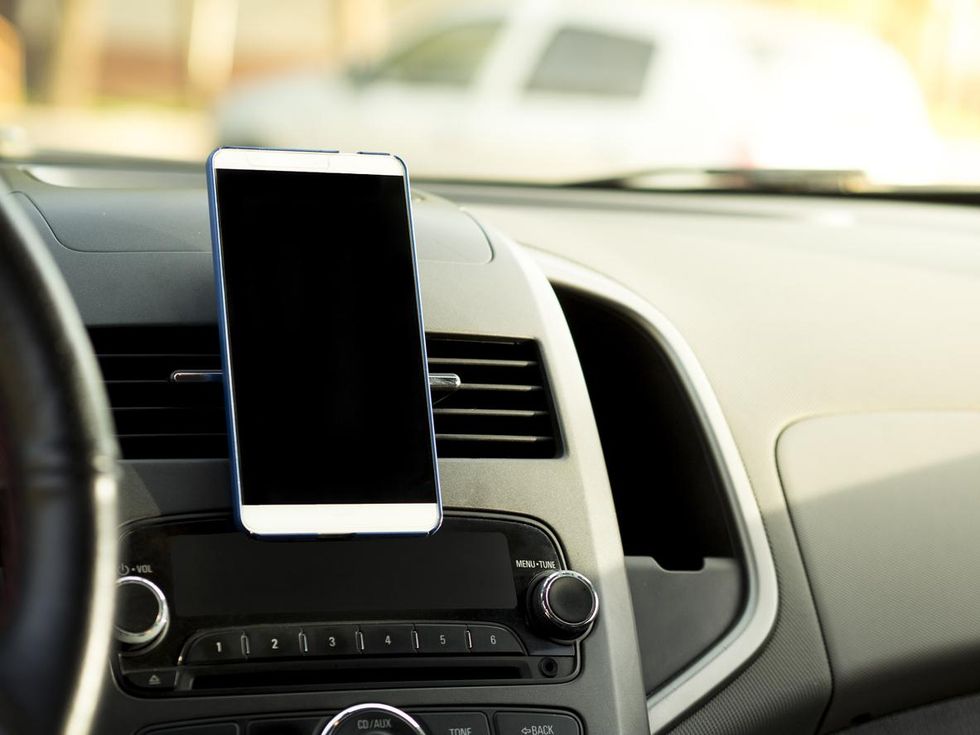
Smartphones have become shadow witnesses in many investigations. Apps that track location, music choices, or acceleration leave data trails similar to those recorded by modern vehicles. Logs get use to compare timelines. Knowing this should strengthen or weaken claims about impaired driving.
Event data recorders overwrite their logs frequently, sometimes after just a few seconds. Cloud-based records, on the other hand, may last weeks or months depending on the automaker’s policies.
This means evidence available today might be gone tomorrow, or stick around longer.
Drivers who want to understand how long their records last can check their owner’s manual or contact the manufacturer for guidance.
Drivers worried about how their data might be used can take practical steps. Reviewing privacy menus is a good starting point.
Plus, some vehicles allow drivers to disable data sharing without losing core safety features – does yours?
Checking phone settings also helps. Because app permissions often control whether location or motion logs are saved.
Car data can play a significant role in DUI cases. But understanding what your vehicle keeps in record makes navigating those situations less confusing. Staying informed pays. So keep abreast of driving laws and automobile consumer privacy as it evolves. Reading current automotive technology coverage and legal blogs is an easy way to stay prepared without feeling overwhelmed.
GearBrain Compatibility Find Engine
A pioneering recommendation platform where you can research,
discover, buy, and learn how to connect and optimize smart devices.
Join our community! Ask and answer questions about smart devices and save yours in My Gear.