
The Conversation (0)
popular
Pixabay
Can Home Sensors Lower Insurance in 2026
How smart home sensors may help homeowners earn insurance discounts in 2026.
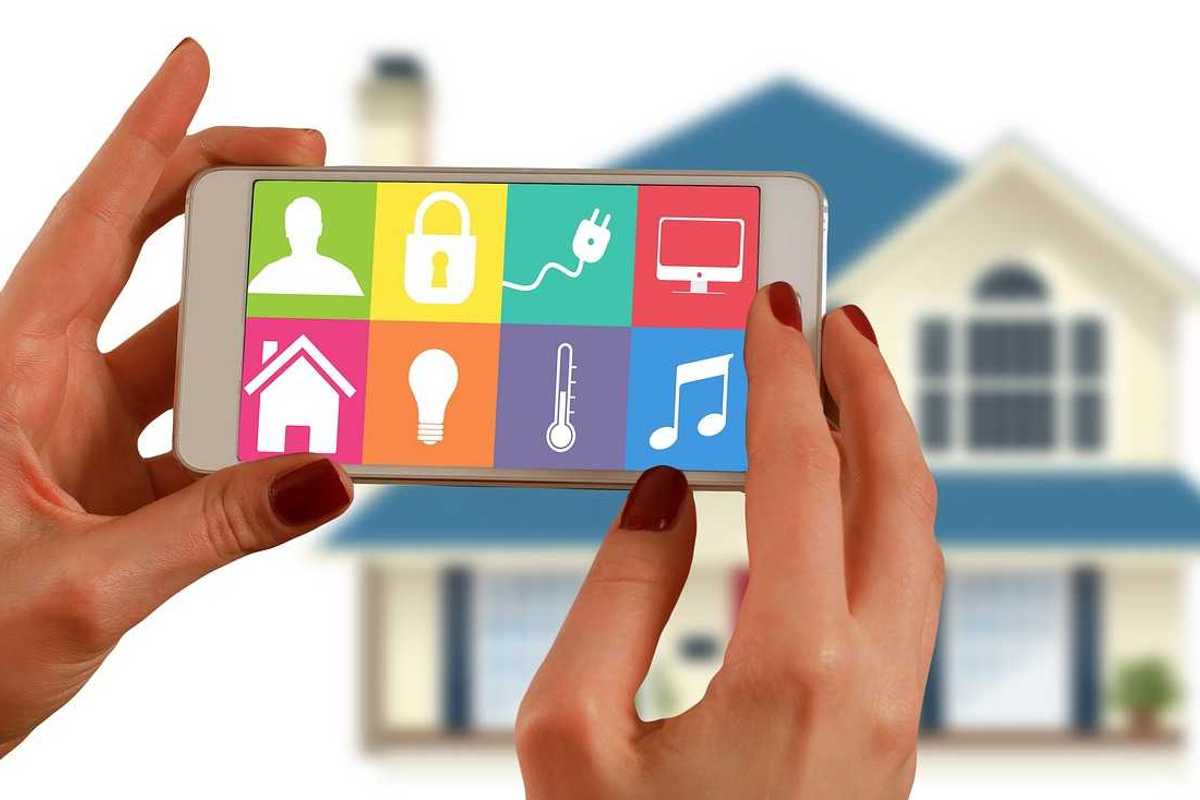
Smart home devices have changed how you protect your property and manage everyday risks. They do more than add convenience, collecting data that insurers now value when assessing your coverage.
Insurers in Texas and across the country are increasingly recognizing proactive homeowners who use connected technology to prevent damage. That shift is creating new opportunities for savings.
This article explains how home sensors can influence insurance rates in 2026 and what you can do to benefit from these emerging programs.
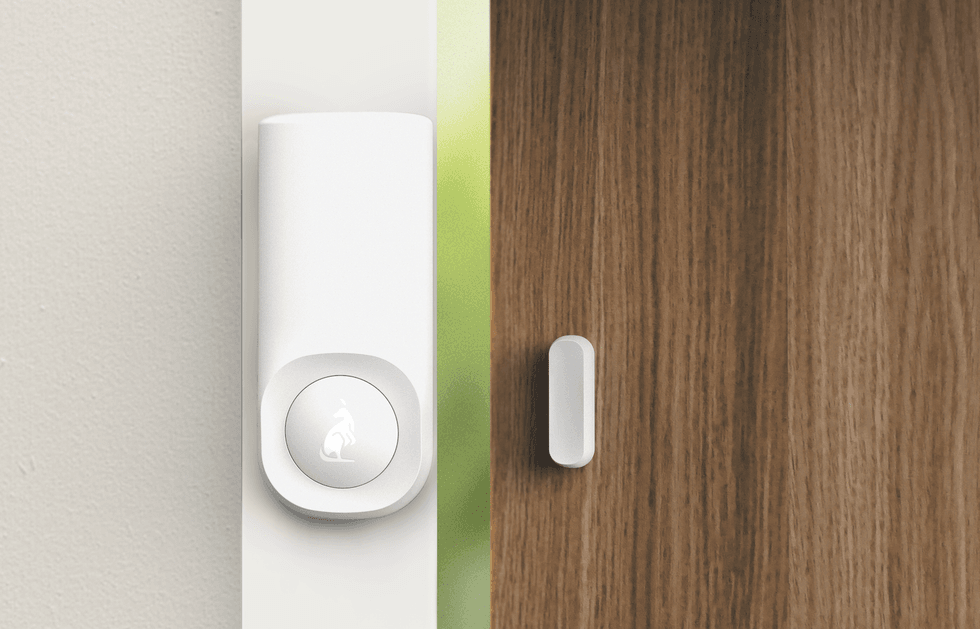 How Home Sensors Are Changing Insurance in 2026 Kangaroo
In 2026, insurers are rewarding policyholders who use smart home technology to reduce risk. Real-time monitoring allows companies to predict and prevent losses, saving money for both sides.
When a leak detector shuts off water or a smoke sensor alerts the fire department faster than a neighbor could, that directly lowers claim potential. Insurers interpret this behavior as proof of a safer household.
The result is a growing trend of policy discounts for homes equipped with verified, properly connected sensor networks that demonstrate preventive action.
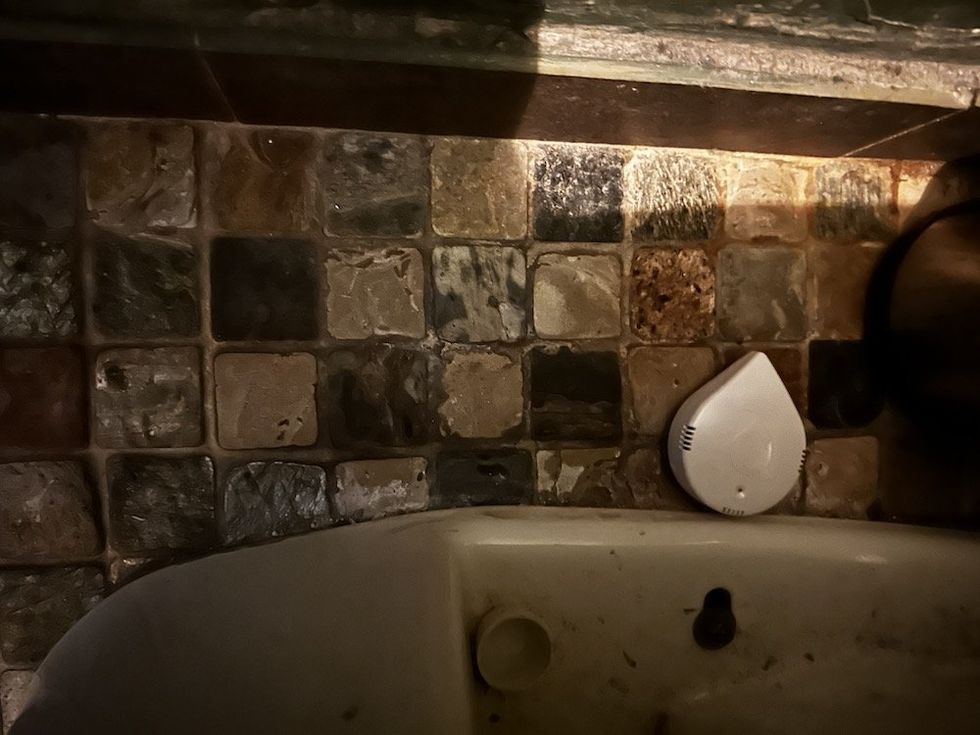 Moen Smart Leak Detector GearBrain
Not all devices qualify, but several have clear track records for reducing loss. These are the ones most insurers highlight in their programs:
Each sensor type corresponds to specific coverage risks, and many companies now list approved devices. Using those devices not only protects property but can serve as a negotiating point when reviewing your premiums.
Installing sensors is only the beginning of qualifying for insurance discounts. Insurers require evidence that each device is functional, connected, and actively monitoring risk.
Homeowners should keep receipts, installation records, and device registration details on file. Providing these documents to an insurer confirms compliance with their policy requirements and helps validate any future claims.
Regular maintenance is equally important. Testing devices and updating firmware ensure continuous protection and prevent coverage disputes if a malfunction occurs during a claim review.
As smart devices collect more household data, questions about privacy have become unavoidable. Insurers require access to certain metrics to validate discounts, but homeowners remain cautious about how that data is stored and used.
The best approach is informed consent. Homeowners should understand exactly what information is shared, who can view it, and whether it is used for underwriting or general analytics.
When transparency exists, both sides benefit. Insurers can refine their risk assessments, and homeowners can maintain security and trust while still receiving fair policy adjustments.
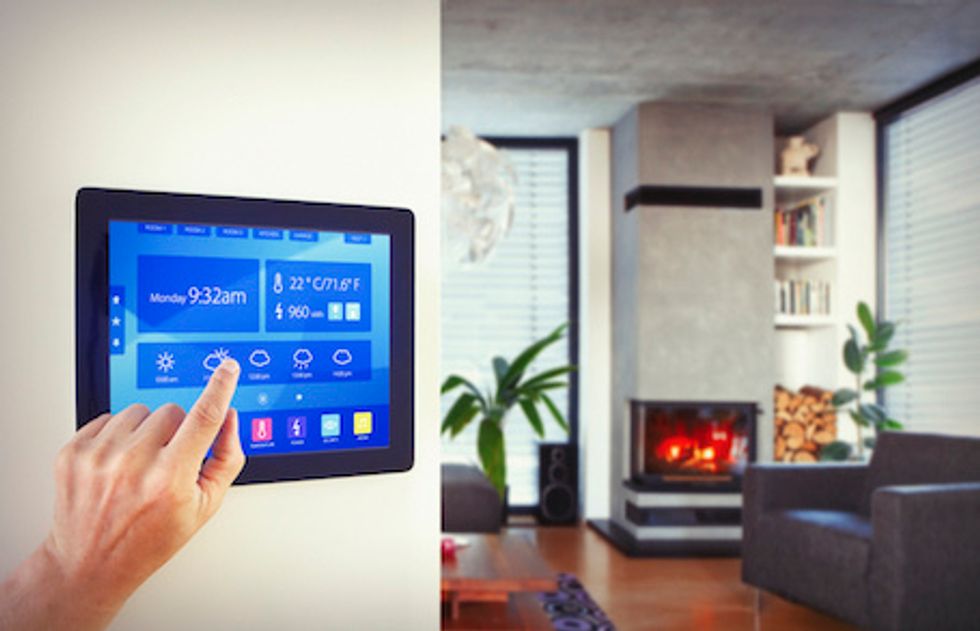 One out of five look for smart home devices when considering a new home to buy or rent iStock
Telematics is now linking smart home systems with insurance data in real time. These connections allow insurers to measure actual safety habits rather than relying solely on general risk factors.
Insurers increasingly partner with technology companies to offer bundled programs that include approved sensors and automated systems. This arrangement ensures verified data and proper installation while rewarding homeowners with more predictable pricing.
The partnerships create mutual benefits for both sides. Homeowners receive convenience and protection, while insurers gain accurate insight into property risks and preventive maintenance trends.
Property insurance and life insurance may share the goal of financial protection, but they evaluate risk very differently. Home sensors influence property coverage by tracking environmental conditions, while life insurance focuses on personal health and longevity.
Home sensors assess the physical environment, while health devices measure lifestyle factors. For example:
Understanding these differences helps policyholders manage expectations and maximize the benefits of each policy type.
 Multifamily homes vs single family homes iStock
Military families face unique challenges that influence how they manage home safety and insurance coverage. Frequent relocations and varied housing conditions make consistent protection essential.
Smart home sensors provide stability, offering the same safety standards wherever duty calls. They also help insurers evaluate and maintain discounts across different homes.
Some insurance programs are designed specifically for veterans, combining home coverage benefits with long-term financial tools such as universal life insurance. These options help families safeguard both property and future security.
Smart devices are reshaping how we define responsibility and prevention. Home sensors prove that technology can work hand-in-hand with human diligence to create safer living environments.
For residents and military families alike, the question is no longer whether to adopt these tools, but how to use them effectively. The real advantage comes when technology serves your life, not the other way around.
GearBrain Compatibility Find Engine
A pioneering recommendation platform where you can research,
discover, buy, and learn how to connect and optimize smart devices.
Join our community! Ask and answer questions about smart devices and save yours in My Gear.