The Conversation (0)
Gaming (VR)
iStock
How Does Cloud Gaming Work: Powering the 5G Future
With 5g, The Gap Between Gamers And Powerful PCs or Consoles Has Nearly Vanished Forever
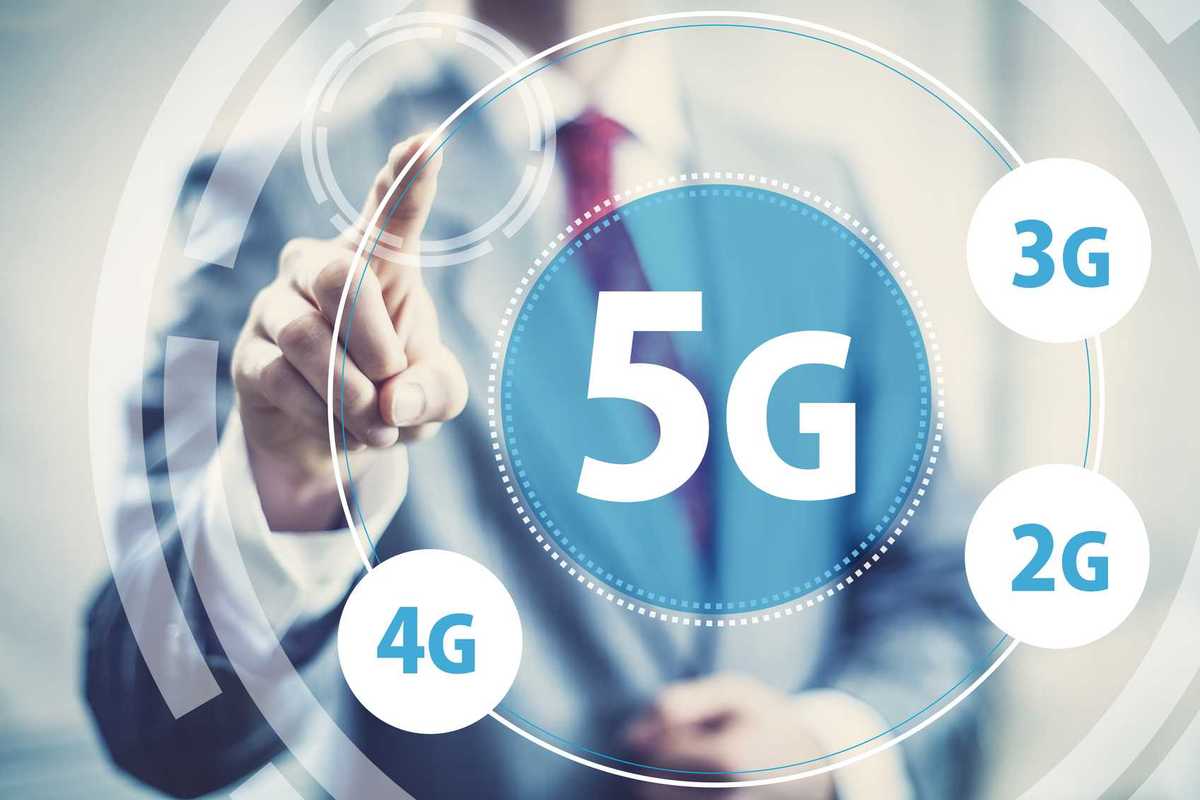
5G has become one of the most transformative technologies of the decade, reshaping everything from healthcare to logistics — but nowhere is its impact felt more dramatically than in gaming. For years, the idea of playing massive AAA titles without owning a powerful PC or next-gen console was as unrealistic as running a modern racing game on a 2010 laptop. Today, that limitation is almost gone. Cloud gaming, powered by ultra-fast 5G networks, is rewriting the rules of how we play and how games are built.
And if you’ve ever wondered how cloud gaming works, it’s not magic or marketing hype — it’s engineering brilliance working behind the scenes.
 The Core of Cloud Gaming: High-Performance Without High-End HardwareiStock
Modern games are becoming monsters. The latest titles demand high-end GPUs, multi-core processors, lightning-fast SSDs, and sometimes more RAM than a small company workstation. Building or buying a gaming PC with those specifications can cost as much as a used car. That’s where cloud gaming changes everything: instead of running the game locally, the game runs entirely on remote servers — powerful machines in data centers built specifically to handle rendering, processing, and computation. What reaches your device is essentially a high-definition video feed of the game. Every click, tap, or joystick movement is sent back to the server in milliseconds.
So, when asking how cloud gaming works without consoles, think of it like Netflix: instead of streaming a movie, you’re streaming an interactive experience processed elsewhere. Your device doesn’t need to handle the heavy lifting. It’s simply the window.
Fast networks not only allow players to detach themselves from the hardware but also give them access to vast game libraries and, for example, the ability to explore new online slot releases with the same seamless experience. Platforms like Slots Paradise Casino leverage cutting-edge technology to deliver smooth gameplay, making every spin exciting and lag-free.
 How 5G Supercharges the Cloud Gaming ExperienceiStock
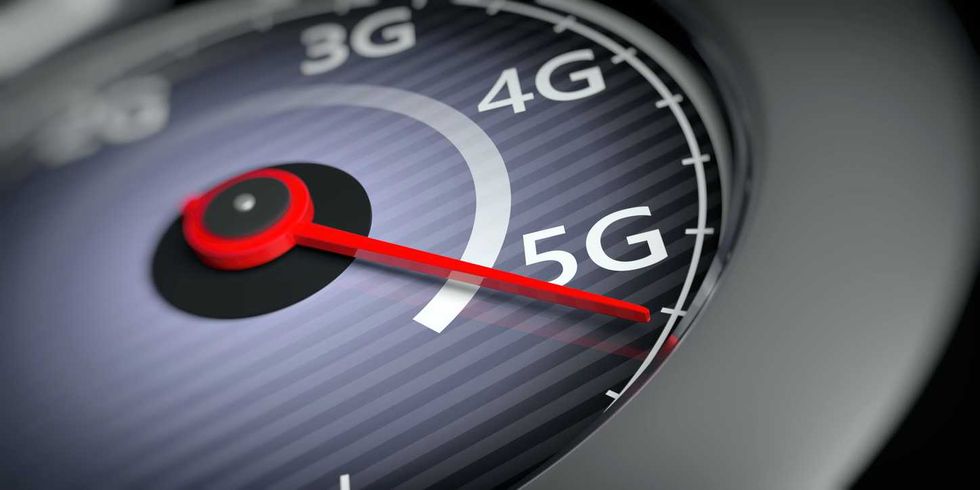
5G changes the equation. It’s not just “faster internet.” Compared to 4G, 5G is up to 100× faster, delivers as much as 10× lower latency, and can reach data speeds up to 20 Gb per second. That low latency unlocks something that wasn’t reliably possible before: real-time gaming streamed instantly, with no noticeable delay.
A strong 5G gaming experience eliminates the lag that ruins a competitive match or breaks immersion in an action game. It makes cloud gaming feel just as responsive as using a next-generation console or a gaming PC, sometimes even smoother. The difference is that instead of dropping $2,500 on hardware, you only need a solid connection.
With 5G, high-resolution graphics and fast response times become accessible to almost anyone — no upgrades, no constant parts swapping, no worrying about system requirements. For the first time, high-end gaming becomes a service rather than a product.
 Which Devices Benefit Most From A 5G Cloud Gaming Performance? AdvanceUp
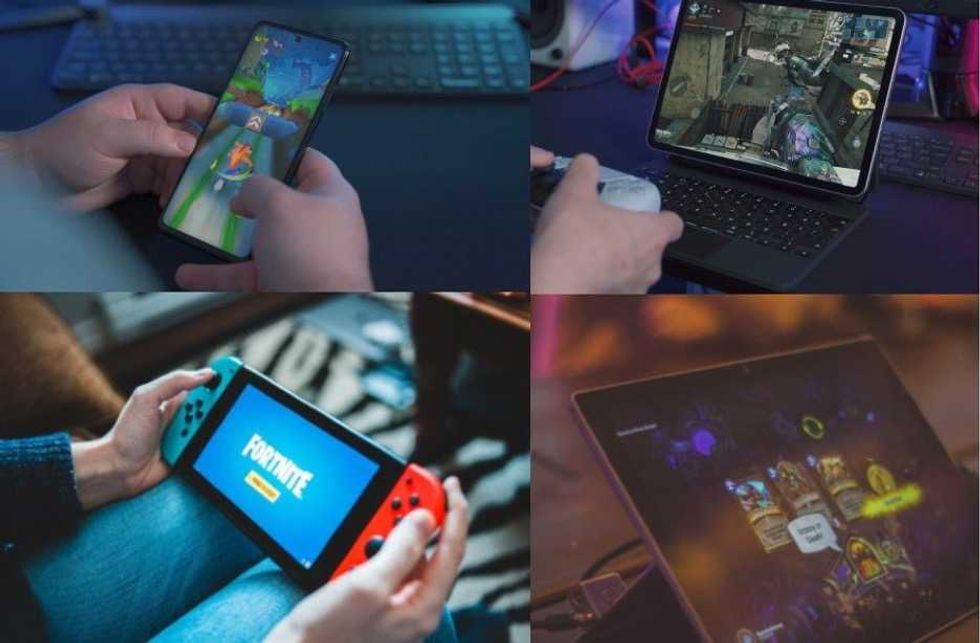
One of cloud gaming’s most underrated strengths is flexibility. The same game can travel with you from device to device like a saved file, shifting through the cloud.
With the right provider, you can:
On the backend, a cloud gaming setup consists of:
It’s as if players are borrowing time on a supercomputer — long enough to explore an alien world, grind through a competitive match, or enjoy some high-speed racing.
Despite all the promises of cloud gaming, there are still many obstacles that remain :
But these limitations are temporary. Speeds go up, costs come down, and we see more providers enter the space every year.
The writing is on the wall: more studios are abandoning physical releases, more players prefer digital access, and cloud-native game development is accelerating. Soon, the difference between a console player and a mobile player may disappear entirely.
Cloud gaming isn’t just an upgrade — it’s a shift in philosophy. It makes gaming more democratic, more flexible, and ultimately more affordable.
GearBrain Compatibility Find Engine
A pioneering recommendation platform where you can research,
discover, buy, and learn how to connect and optimize smart devices.
Join our community! Ask and answer questions about smart devices and save yours in My Gear.