Germany stands out for its methodical approach to adopting new technology, and nowhere is this clearer than in the smart home market.
Privacy, security, and reliability aren’t just talking points—they’re non-negotiables for German consumers weighing connected devices for their homes.
This careful mindset isn’t about resisting progress. Instead, it’s shaped by deep-rooted cultural values and strict national regulations that require brands to earn trust before entering German households.
As smart homes become more mainstream, Germans move forward with clear eyes: they research thoroughly, demand transparency about data use, and expect long-term product support.
This article explores how Germany’s unique combination of cautious optimism and practical regulation influences the adoption of smart home technology—ensuring innovation serves people’s real needs without sacrificing what matters most.
Smart choices: why Germans approach home tech with strategy
Anyone who’s spent time shopping for electronics in Germany will notice a pattern. There’s little impulse buying, especially with smart home tech. Instead, German consumers prefer a step-by-step decision process that minimizes risk and maximizes long-term value.
This mindset echoes the approach found in strategic games like poker. You’ll see it reflected in brands such as PokerioMokykla, where weighing odds and planning every move is part of the culture. For many Germans, bringing connected devices into their homes isn’t about chasing trends—it’s about calculating the upside versus potential drawbacks.
What stands out is the sheer amount of research that goes into each purchase. Reviews, Stiftung Warentest ratings, and independent product certifications are all carefully compared before anyone even considers hitting ‘buy.’ Practical utility comes first; flashy features or promises mean little if they aren’t backed by proven reliability and robust data protection.
I’ve seen friends ask pointed questions about software updates, compatibility with existing devices, or the company’s privacy track record before trusting a product. It’s not just about what the device can do today, but whether it’ll still be secure and supported years down the road.
This careful planning ensures that German households get technology that genuinely fits their routines—and rarely regret their investments later.
Balancing innovation and privacy in German homes
Germans are known for weighing new technologies with a careful eye, and smart home devices are no exception.
The allure of automation—controlling lighting, heating, or security at the tap of an app—is real, but it collides with deep-rooted concerns about who has access to household data and how it’s stored.
For many Germans, convenience matters—but not at the expense of control. This mindset has shaped a market where privacy features aren’t just nice-to-haves; they’re expected.
As connected devices multiply, so do conversations about surveillance, data leaks, and vendor accountability. German consumers want proof that their information remains private, and regulations play a key role in ensuring that.
The privacy paradox: convenience vs. control
The latest Bitkom Consumer Survey 2023 shows a sharp divide: nearly half of German households have adopted smart home tech, yet trust remains fragile.
Bitkom Consumer Survey 2023 highlighted that while 46% use smart home applications, concerns about privacy and security persist for many.
What I’ve noticed is how diligent Germans are when buying connected devices. Research isn’t just a quick glance at reviews—it often means reading data policies line by line and checking which country servers are based in.
Common steps include setting up local-only networks, disabling unnecessary cloud features, or choosing brands that allow granular permission settings. The goal is always the same: automation without giving up control over personal life.
GDPR and beyond: legal safeguards for smart homes
Germany’s approach to privacy goes far beyond default settings on an app. The strict enforcement of GDPR—and now the EU Data Act—means companies can’t get away with vague terms or hidden data transfers.
A 2023 analysis found these laws give consumers the right to see what’s collected about them, request corrections or deletions, and block unwanted uses entirely. It’s powerful leverage for anyone wary of “smart” listening devices or indoor cameras.
This legal climate shapes what brands even attempt to launch in Germany. Many US-based gadgets simply aren’t available locally because they don't meet these requirements—or require extensive customization before being sold here.
The result? Smart home innovation doesn’t move as fast as in some countries, but users have greater confidence that their personal lives remain private behind closed doors.
Security, reliability, and the German market
 Hubspace Smart Home Security Kit (Smart Home Alarm Kit with Wi-Fi and Bluetooth Powered by Hubspace (5-Piece)) Hubspace
Germans set a high bar for smart home tech. Security and reliability are not optional—they’re the foundation of any purchase decision in this space.
The trust German consumers place in connected devices hinges on strict safety requirements, established brands, and visible proof that products meet national standards. In my experience, even the best features can’t compensate for uncertainty around data protection or device longevity.
This mindset has led to a market where product certifications carry real weight. Shoppers look beyond marketing claims for independent seals of approval before they allow any device into their homes.
Cybersecurity standards: what Germans demand
With cyber threats hitting record highs, Germans want reassurance that their homes remain safe from digital intrusions. The 2023 BSI IT Security Report 2023 confirmed the rising tide of attacks and highlighted just how selective buyers have become.
Most customers I’ve spoken with specifically seek devices certified by organizations such as TÜV or BSI. These independent certifications demonstrate compliance with Germany’s demanding cybersecurity rules—not just a checklist but a real standard for trust.
- TÜV and BSI seals are often seen as must-haves
- Data encryption and local data processing are preferred over cloud-only solutions
- Automatic updates and transparent security policies also make a difference
This critical approach means only brands meeting these expectations earn a spot in German homes.
Reliability and integration: the all-or-nothing approach
No one wants to gamble on unproven devices—especially here. According to Stiftung Warentest Reliability Trends, buyers rank long service life and seamless integration as their top priorities.
I’ve seen many users stick with established brands because they offer reliable customer support and regular software updates. Integration with existing systems—such as heating, lighting, or alarm controls—often determines which product wins out.
- Products must work flawlessly together right out of the box
- Clear warranties and ongoing technical support matter more than flashy features
- Poor reliability leads to instant rejection by most consumers
This all-or-nothing attitude shapes Germany’s smart home market, making durability just as important as innovation.
The future of smart living in Germany
 Smart Lights Turning a Smart Home Into a Zen Heaven Philips
German homes are entering a new era in which every technology decision is shaped by a blend of progress and prudence.
Three themes are leading the conversation: eco-friendly systems, the rise of AI-driven automation, and a growing push for tech literacy among consumers.
All these trends are playing out against strict regulatory standards and high consumer expectations.
Sustainability and energy efficiency
Energy efficiency is more than just a buzzword in Germany—it’s becoming an essential feature for smart homes.
With utility costs rising and the climate debate front and center, homeowners are choosing connected thermostats, intelligent lighting, and solar-powered monitoring systems to cut their consumption.
The German Federal Ministry for Economic Affairs and Climate Action’s 2024 plans prioritize the expansion of renewable energy and the development of smarter grid infrastructure. BMWK Energy Transition Plans 2024 show how incentives are driving the shift to energy-saving devices, putting sustainability at the core of Germany’s smart home evolution.
AI and automation: the next frontier
Artificial intelligence is finding its place in German households—but not without scrutiny.
Features such as predictive heating or voice-controlled security have become more accessible, yet Germans remain cautious about adopting them. In my experience, even early adopters weigh convenience against privacy risks before switching to full automation.
Bitkom Smart Home Adoption 2024 reports that almost half of all German households now use some form of smart tech. Despite this growth, trust issues mean most users activate only select features until they’re sure of safety and value.
Consumer advocacy and tech literacy
The learning curve for smart home technology can be steep—so organizations like Verbraucherzentrale have stepped up to guide consumers through it.
Their campaigns help users understand device settings, recognize security pitfalls, and ask better questions before buying new gadgets. One thing that impressed me: many German buyers bring checklists from these guides into stores or online chats when evaluating products.
Verbraucherzentrale Smart Home Education resources give everyday people the tools to make decisions confidently—even as devices get more complex. This active role by advocacy groups ensures tech adoption stays responsible as innovation accelerates.
Conclusion
German consumers are setting the standard for responsible smart home adoption, with every decision guided by careful research and a healthy skepticism toward hype.
This culture of critical thinking and long-term planning is shaping a market where only proven, secure, and reliable technologies gain traction.
As regulations tighten and innovation continues, Germany’s measured approach is building trust—ensuring that new tech serves people’s lives without compromising their values or privacy.
The result is a smart home sector that balances excitement with reassurance, reflecting what many Germans expect from any major household investment.
From Your Site Articles
Related Articles Around the Web

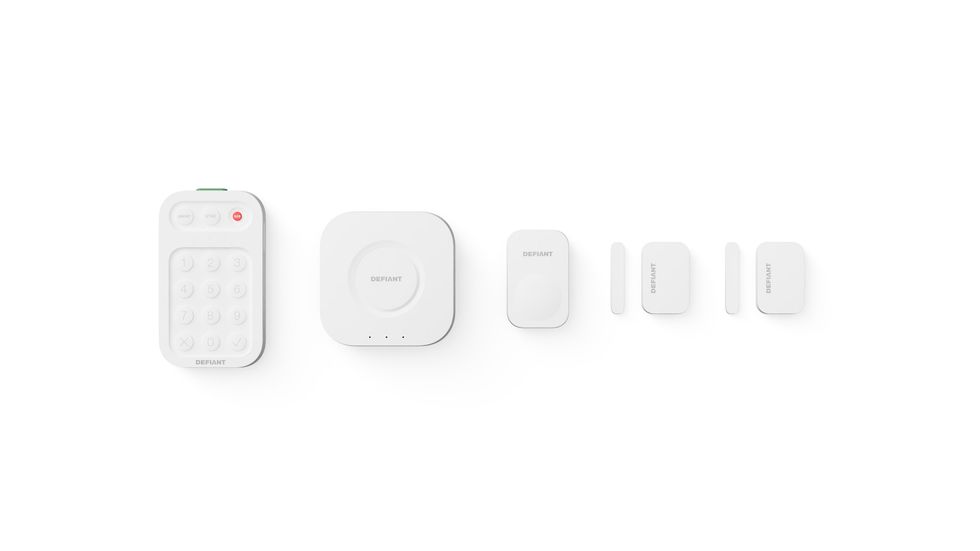 Hubspace Smart Home Security Kit (Smart Home Alarm Kit with Wi-Fi and Bluetooth Powered by Hubspace (5-Piece)) Hubspace
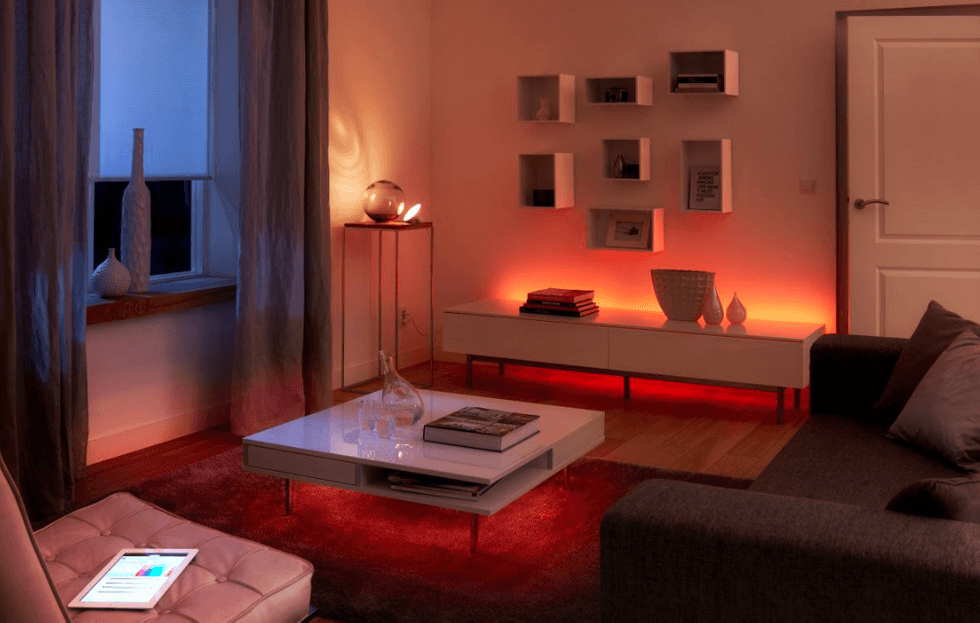 Smart Lights Turning a Smart Home Into a Zen Heaven Philips