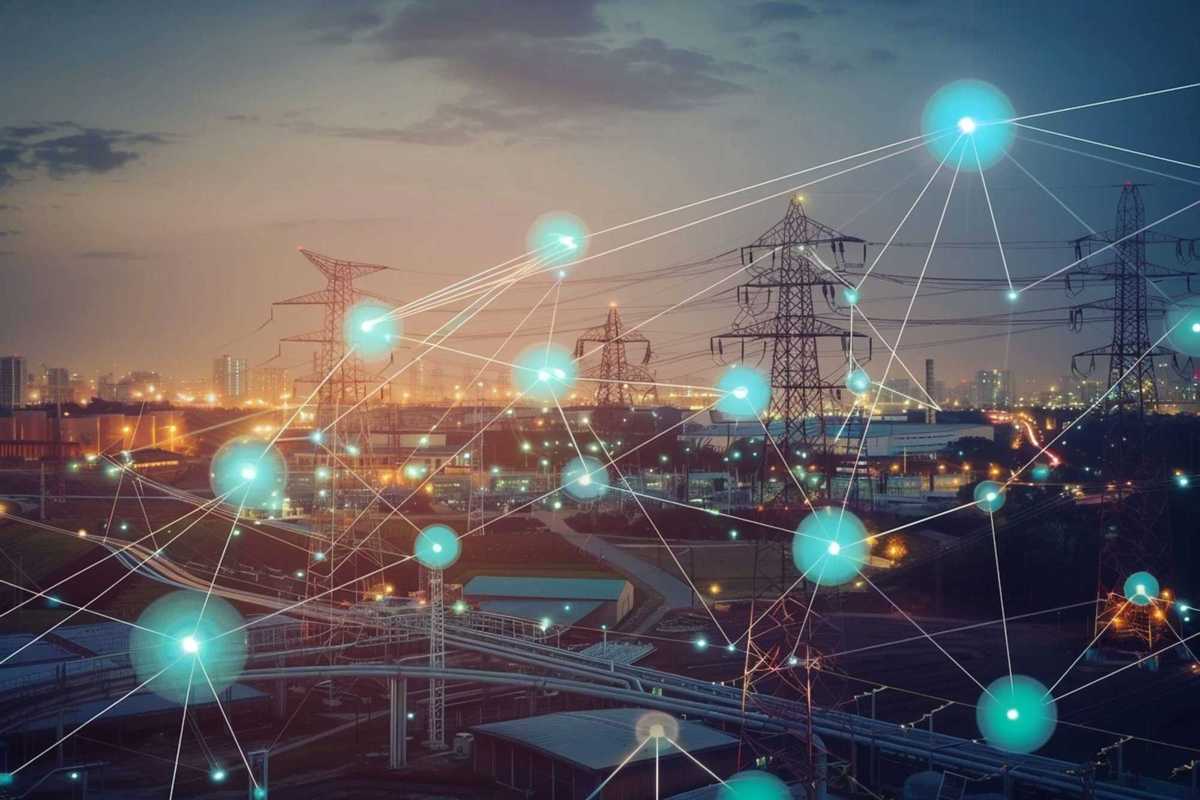
Smart technology often feels simple from the user side. A phone app turns on lights, a charger powers an electric vehicle, and a building system adjusts temperature on its own. Behind these smooth experiences sits a strong electrical network. Equipment from sources such as High to Low Voltage Transformers helps support the power needs behind smart homes, connected buildings, data systems, and modern energy use.
Smart Devices Need More Than Wi Fi
Connected devices depend on software, sensors, and wireless networks, but they also need a steady power supply. Smart lights, cameras, locks, thermostats, appliances, and hubs all work best when the electrical system behind them remains stable.
In homes, these devices may seem small on their own. Across a whole building, they can add up. A smart property may include security systems, climate controls, entertainment equipment, lighting networks, and energy monitors.
For businesses, the power demand can grow even more. Smart buildings use automation to manage air systems, access control, elevators, lighting, and equipment. Each system needs a reliable electrical base.
Smart Buildings Depend on Strong Infrastructure
 Smart Buildings Depend on Strong Infrastructure Getty Images
A smart building does not begin with apps or screens. It begins with the systems that move power safely through the property.
Transformers, switchgear, panels, cables, and backup systems all help shape how well a connected building performs. These parts may not receive much attention, but they support the tools people use every day.
When electrical infrastructure falls short, smart features may fail to work as planned. Poor power quality, overloaded systems, and aging equipment can affect comfort, safety, and uptime.
Building owners who plan for future power needs can support upgrades with less disruption. That matters as technology continues to change.
Electric Vehicles Add New Power Demands
Electric vehicle charging has become a major part of connected living. Homes, apartments, offices, shopping centers, and fleet sites now plan for charging stations.
EV chargers can place a large load on the electrical system, especially when many vehicles charge at once. A single charger may be simple to add in some settings. A full charging area can require major planning.
Facilities may need new transformers, switchgear, or service upgrades to support charging safely. They may also need load management systems that balance charging demand with other building needs.
As EV adoption grows, power planning will become an increasingly important part of smart property design.
Data Systems Keep Connected Spaces Running
Many smart tools send and receive data all day. Cameras store footage, building systems report performance, sensors track movement, and apps update in real time.
Some data moves through local systems. Some travels through cloud platforms and data centers. In both cases, power reliability matters.
A loss of power can interrupt access, control, storage, and monitoring. For businesses, even a short outage can affect security, operations, and customer service.
This is why connected spaces often include backup power, stronger distribution systems, and better monitoring. Smart technology works best when the power system can keep pace.
Energy Monitoring Makes Power More Visible
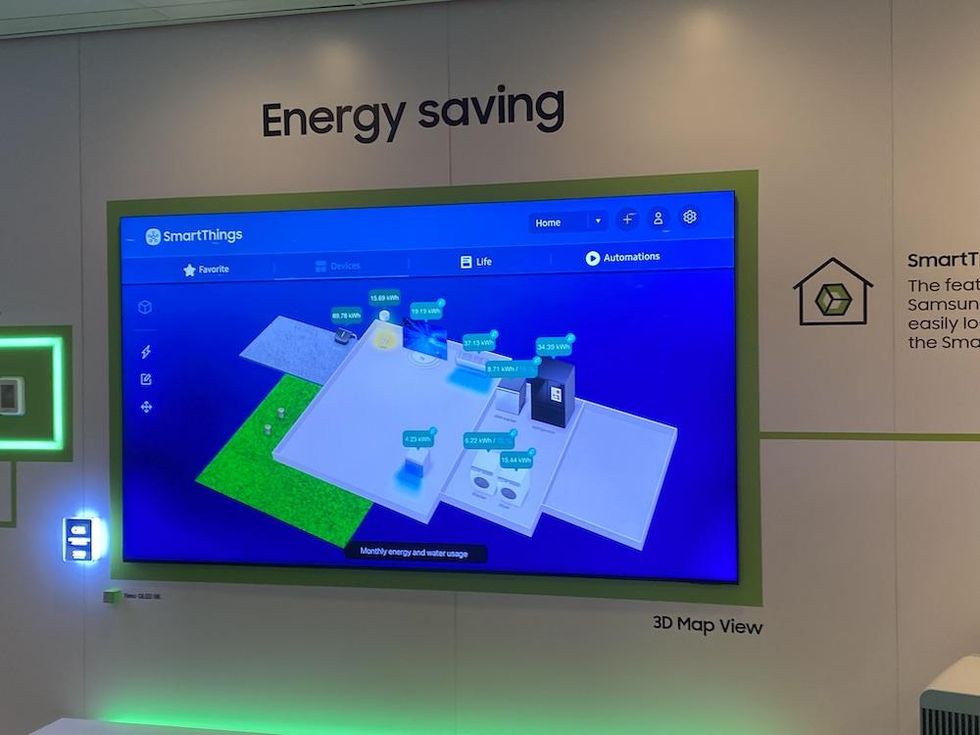
 Samsung SmartThings Energy at HCA Booth at CES 2023 GearBrain
Smart technology has changed how people view energy use. Many homes and businesses now track usage through apps, meters, and dashboards.
These tools can show when demand rises, where energy goes, and how equipment performs. This information helps owners make better decisions about upgrades, repairs, and daily operation.
Energy monitoring also supports sustainability goals. Buildings can use data to reduce waste, shift usage, and improve efficiency over time.
Still, monitoring does not replace strong infrastructure. It helps people understand the system, but the system itself must remain safe, stable, and ready for the load.
Growth Requires Flexible Planning
Technology changes quickly. A building that works well today may need more power in a few years. New devices, chargers, automation tools, and digital services can all increase demand.
Flexible electrical planning helps properties adapt. This may include room for future panels, larger service capacity, or equipment that can support expansion.
Planning ahead can also reduce downtime. When teams know what the building may need later, they can design upgrades with fewer surprises.
For commercial spaces, this can protect business continuity. For homeowners, it can make future smart upgrades easier and cleaner.
Reliable Power Supports Better User Experiences
People often judge smart technology by how easy it feels to use. They expect lights to respond, doors to unlock, chargers to work, and climate systems to stay comfortable.
When power systems perform well, users may not think about them at all. The experience feels seamless.
When power systems fail, the smart features lose their value. Devices may shut down, reset, or operate poorly. A building can feel less secure, less efficient, and less convenient.
Reliable electrical infrastructure helps prevent those problems. It supports the quiet, steady performance people expect from modern technology.
The Future of Smart Living Starts Behind the Scenes
Smart homes, smart buildings, EV charging, and connected services will continue to grow. As they do, electrical infrastructure will become even more important.
The future of connected living depends on more than new devices. It depends on the power systems that help those devices work safely and consistently.
Strong transformers, switchgear, cables, and planning all help support this shift. They give homes and businesses the foundation needed for better comfort, better control, and greater resilience.
The smartest technology often starts with the parts people rarely see. When the hidden power system works well, the connected world above it can work better too.
Related Articles Around the Web
 Smart Buildings Depend on Strong Infrastructure Getty Images
  Samsung SmartThings Energy at HCA Booth at CES 2023 GearBrain