The smart home revolution is entering a new phase—and according to recent research from Parks Associates, that evolution is moving beyond individual devices and into something far more powerful: building intelligence.
In its latest white paper, From Smart Home to Building Intelligence, Parks outlines how multifamily properties and building operators are shifting from isolated smart home deployments toward fully integrated, data-driven environments designed to improve efficiency, reduce costs, and enhance resident experiences.
One of the most compelling findings: smart building solutions can deliver an average increase of 20% in operating efficiencies. While that figure varies depending on implementation, it highlights a clear trend—connected technologies are no longer just conveniences for residents; they are becoming essential infrastructure for property operations.
But as the industry moves toward this vision, a critical gap remains—one that platforms like GearBrain are uniquely built to solve.
The Shift from Smart Devices to Building Intelligence
 The Shift from Smart Devices to Building Intelligenceb-line
For years, the smart home category has focused on individual devices—smart thermostats, lighting systems, security cameras, and voice assistants. Platforms from companies like Amazon, Google, and Apple have helped bring these devices into millions of homes.
However, Parks Associates makes it clear that the next stage is not about adding more devices—it’s about connecting them into unified systems that operate intelligently at scale.
Their roadmap for building intelligence includes:
- Establishing robust connectivity infrastructure
- Modernizing access control systems
- Integrating smart devices across units and common areas
- Scaling connected workflows across entire properties
This progression reflects a fundamental shift: moving from device-level automation to system-level intelligence.
The Promise—and the Problem
The benefits of building intelligence are significant:
- Real-time visibility into property operations
- Predictive maintenance and reduced service costs
- Energy optimization across units and shared spaces
- Improved tenant satisfaction through seamless experiences
But achieving these outcomes is far more complex than simply installing smart devices.
The biggest challenge? Interoperability.
Despite advances in standards like Matter, the smart home ecosystem remains highly fragmented. Devices from different manufacturers often operate in silos, requiring separate apps, incompatible protocols, and manual workarounds.
For multifamily operators managing hundreds or thousands of units, this fragmentation creates major obstacles:
- Inconsistent device performance across properties
- Increased support and maintenance costs
- Difficulty scaling automation workflows
- Limited ability to extract actionable insights from connected systems
In short, the industry has built the foundation for building intelligence—but it lacks the intelligence layer needed to make everything work together.
Why Connectivity Alone Isn’t Enough
 Why Connectivity Alone Isn’t Enough Photo by wenhung yang on Unsplash
Parks Associates correctly identifies connectivity as the first step in the roadmap. Reliable Wi-Fi, Thread, and other networking technologies are essential for supporting connected devices.
However, connectivity alone does not solve the core problem.
Even in fully connected environments, building operators still struggle to answer critical questions:
- Which devices are actually compatible with each other?
- How do new devices integrate with existing systems?
- What happens when firmware updates break functionality?
- How can automation workflows adapt to changing conditions?
These are not networking problems—they are data and intelligence problems.
Enter GearBrain: The Missing Intelligence Layer
 Enter GearBrain: The Missing Intelligence LayerGearBrain
This is where GearBrain and its AI-powered platform, GearBrain Assistant, come into play.
GearBrain was built specifically to address the complexity of smart device ecosystems through its patented Compatibility Find Engine, which helps users—and now businesses—understand what devices work together and how to connect them seamlessly.
As the market shifts toward building intelligence, this capability becomes even more valuable.
Turning Fragmentation into Functionality
GearBrain Assistant acts as an intelligence layer on top of connected systems, enabling:
- Device compatibility mapping across brands, platforms, and protocols
- Automated onboarding guidance for new devices
- Real-time troubleshooting and diagnostics
- Context-aware recommendations for upgrades and optimization
Instead of relying on static integrations, GearBrain uses structured data and AI to dynamically understand relationships between devices, systems, and users.
Scaling from Smart Homes to Smart Buildings
 Scaling from Smart Homes to Smart Buildings iStock
While GearBrain has historically focused on helping consumers navigate the smart home market, its underlying technology is inherently scalable to building and portfolio-level applications.
In a multifamily environment, GearBrain Assistant can help:
1. Standardize Device Ecosystems Across Properties
Ensure consistency in device selection and compatibility, reducing operational complexity.
2. Reduce Support Costs
Provide automated troubleshooting and guidance, minimizing the need for manual intervention.
3. Enable Smarter Automation Workflows
Connect devices and systems in ways that support real-world operational needs, from maintenance scheduling to energy management.
4. Improve Resident Experience
Deliver seamless, intuitive interactions with smart home features—without the frustration of incompatible devices or confusing setups.
Unlocking the Full Potential of Building Intelligence
Parks Associates emphasizes the importance of moving from reactive to proactive operations. This transition depends on the ability to collect, interpret, and act on data from connected systems.
But without a unified intelligence layer, that data remains fragmented and underutilized.
GearBrain fills this gap by:
- Normalizing data across devices and platforms
- Providing actionable insights in plain language
- Enabling AI-driven decision-making at both the unit and portfolio level
In essence, GearBrain transforms connected devices from isolated tools into a cohesive, intelligent system.
The Future of Multifamily Is Intelligent—and Connected
 The Future of Multifamily Is Intelligent—and Connected www.gearbrain.com
The shift toward building intelligence is not a distant vision—it’s already underway.
As property owners and operators invest in connected infrastructure, the focus will increasingly shift toward making those systems work together effectively.
That’s where the real value lies.
And that’s why platforms like GearBrain are so important.
By bridging the gap between devices, platforms, and users, GearBrain and GearBrain Assistant are uniquely positioned to power the next generation of smart living—where homes, buildings, and entire portfolios operate as intelligent, connected ecosystems.
Final Thoughts
The Parks Associates white paper makes one thing clear: the future of multifamily housing is not just smart—it’s intelligent.
But intelligence doesn’t come from devices alone.
It comes from the ability to understand, connect, and optimize those devices at scale.
With its AI-driven compatibility find engine and growing platform capabilities, GearBrain is poised to become a foundational layer in this new era—helping turn the promise of building intelligence into a practical, scalable reality.
As GearBrain continues to expand the capabilities of GearBrain Assistant, we are actively inviting select beta partners to help shape the future of building intelligence and smart home interoperability. If you’re a property operator, device manufacturer, or platform provider interested in early access, pilot programs, or licensing opportunities, we’d welcome the opportunity to connect. You can reach us at info@gearbrain.com to learn more about becoming a beta partner and helping drive the next generation of connected living.
- YouTube AI Assistants are rapidly evolving—and in this GearBrain video, we compare the most talked-about virtual helpers today: Amazon ...
From Your Site Articles
Related Articles Around the Web
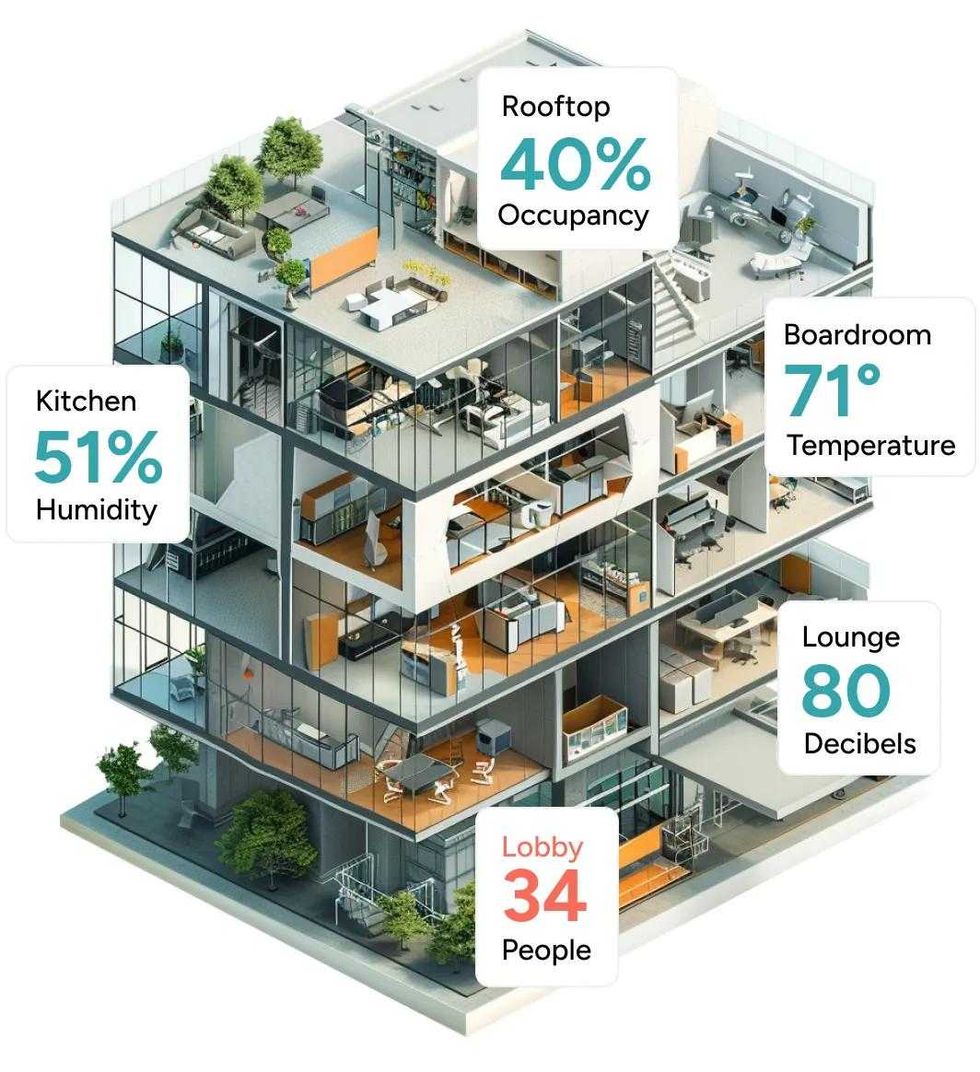 The Shift from Smart Devices to Building Intelligenceb-line
 Why Connectivity Alone Isn’t Enough Photo by
  Enter GearBrain: The Missing Intelligence LayerGearBrain
 Scaling from Smart Homes to Smart Buildings iStock
  The Future of Multifamily Is Intelligent—and Connected