The Conversation (0)
How Wheel Offset Works and Why It Matters for Your Vehicle
Understanding wheel offset helps drivers balance safety, handling performance, and vehicle stance when upgrading or replacing wheels.
The offset of a wheel is key to understanding how wheels fit on a vehicle and how they drive. Though many drivers will ignore this detail, it is significant, as it impacts safety, handling, and your car's appearance. What wheel offset is and how it should be considered when buying or upgrading wheels.
Having wheel offset explained to individuals who have no clue of its importance is crucial. The offset of a wheel is the distance between the mounting surface of the wheel and the centerline of the wheel. This measurement affects how the wheel sits in the wheel arch. Offset is simply measured in millimeters with three categories: positive, negative, or zero offset. Depending on the type, the value influences the stance of the vehicle and the way the tires work against the suspension and bodywork.
A positive offset places the wheel mounting face nearer to the outside edge of the wheel. Positive offset is generally what you will find on the vast majority of modern cars. The rack tucks the wheels inside the fenders for a clean and almost OEM look. It also helps maintain proper alignment with the suspension components.
Negative offset moves the mounting surface inboard next to the wheel. This configuration widens the track of the vehicles, extending the wheels outwards. This configuration results in a sportier stance and, occasionally, improves cornering stability. However, if the wheels are too far out, they will rub against the fenders when you turn or hit bumps.
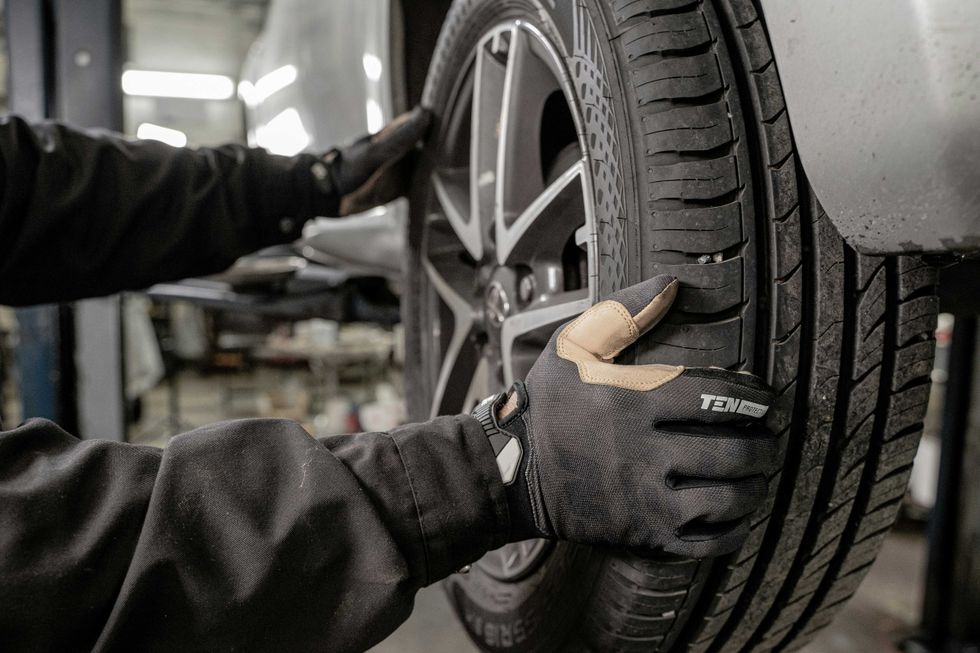 Zero Offset: The Middle Ground Photo by Jimmy Nilsson Masth on Unsplash
Zero offset is when the mounting surface is in line with the centerline of the wheel. This offset achieves a balance between being tucked in and being pushed out. Zero offset is sometimes used on older vehicles or custom builds to appear somewhat "period-correct" or to have a more distinct aesthetic. Some also give enough clearance for bigger brake components.
There are several reasons why selecting the proper offset is critical. The first part of the correct offset is that the wheels clear brake calipers, suspension arms, and inner wheel arches. If not fitted correctly, this can lead to safety impacts, either by rubbing against tires, causing premature wear, or damaging suspension components. Offset number two affects steering response and handling. Wheels that protrude outward can change the car's center of gravity and stress the suspension, while wheels that are set too far inside can interfere with interior components.
The offset of the wheel also affects the appearance of a vehicle. Others like a flush fitment, where the wheels line up perfectly with the fenders. Some might prefer a more aggressive approach, with wheels that stick out further for a more prominent look. A nice allowance is given for all these adjustments, but Offset allows owners to style the impression per their taste.
Choosing the right offset requires consideration of manufacturer specifications, vehicle parameters, and usage. The vehicle manual or a professional can help. One aspect to consider when performing a wheel upgrade is that the new offset should be compared with the original offset. This minimizes the chances of fitment problems and guarantees the selected wheels will perform in a safe manner.
Offsetting incorrectly can lead to some issues. However, a little too much positive offset can rub the tires against the inner fender, stressing out suspension parts and resulting in a loss of mobility. Getting an excessively negative offset will cause tires to rub on the fenders or bring about quicker wear on the wheel bearings.
Offset affects more than just appearance and fitment. It also occurs in the performance of a vehicle. It also allows for larger tires and thus more grip, which will help balance the car, especially through tight corners and high-speed driving conditions, with the right offset. An incorrect offset can harm ride quality, steering feel, and even braking performance.
Wheel offset is an essential factor when selecting new wheels or upgrading a vehicle’s appearance. Understanding how offset works helps drivers make better choices, balancing safety, performance, and style. Paying attention to this detail ensures the vehicle looks great and operates reliably for years to come.
Amazon Echo Auto
GearBrain Compatibility Find Engine
A pioneering recommendation platform where you can research,
discover, buy, and learn how to connect and optimize smart devices.
Join our community! Ask and answer questions about smart devices and save yours in My Gear.