The Conversation (0)
Entertainment Systems
Pexels
How Live Event Technology Brings Tech Conferences and Product Launches to Life
How immersive AV, lighting, and interactivity transform modern tech events
Tech conferences and product launches have changed dramatically in the last few years.
What once felt like formal presentations now resemble mini‑productions with cinematic visuals, immersive lighting, interactive displays, and sound systems that feel more like concert setups than conference gear.
These events aren’t just about sharing information. They’re about creating moments that feel exciting, polished, and memorable.
As technology evolves, the tools behind these moments become smarter, more flexible, and more closely connected, giving brands new ways to tell stories that resonate.
If there’s one element that instantly transforms a tech event, it’s the visuals.
LED walls, projection mapping, and ultra‑sharp displays have replaced the old projector‑and‑screen formats.
When you walk into a room and see a wall of synchronized content wrapping around the audience, it creates an almost theatrical sense of anticipation. Visual production sets the tone long before the first speaker steps on stage.
The newest display tech focuses heavily on richer contrast, deeper blacks, and faster refresh rates. When translated into event environments, these improvements make product demos sharper, transitions smoother, and motion content more impressive.
Here are some key advantages of modern visuals at events:
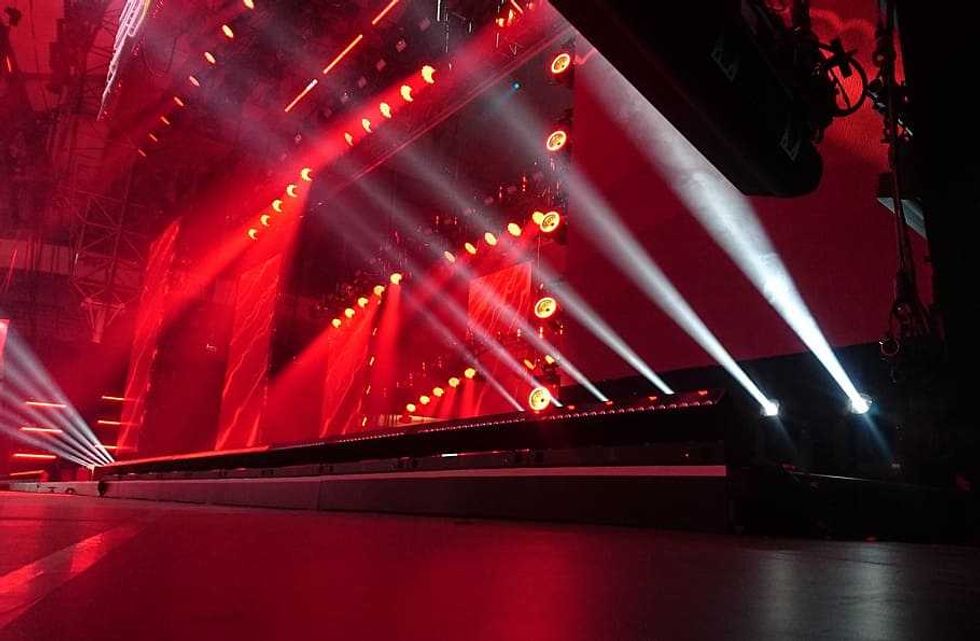 red, black, stage, lightshow, show, performance, music stage ... www.hippopx.com
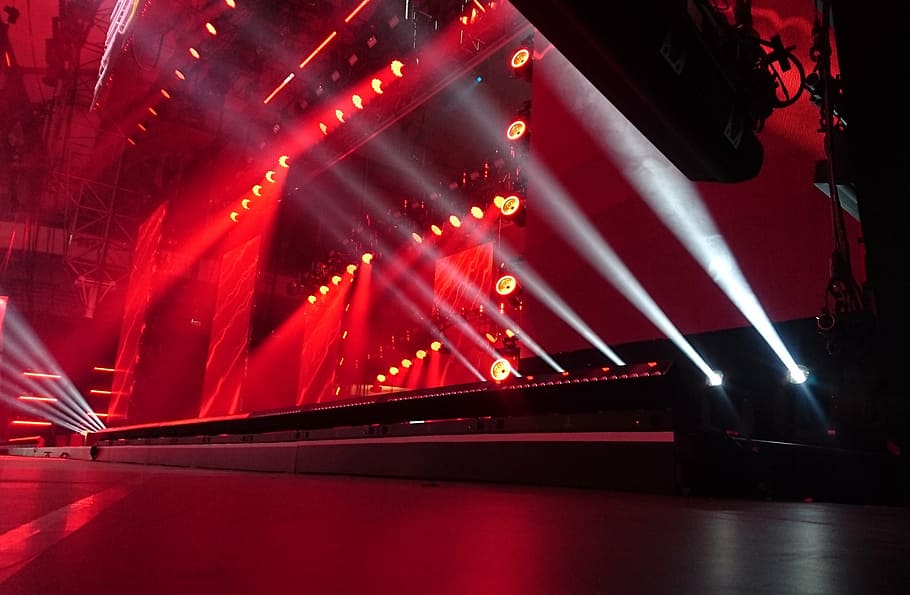
Lighting has become one of the most underrated storytelling tools in event production. A well‑timed lighting shift can change the entire mood of a room.
Today’s lighting systems are more flexible than ever, using automated fixtures, advanced color mixing, and precise motion control to create dynamic environments that feel responsive and alive.
An increasing number of event producers are turning to integrated ecosystems that combine lighting, projection, and visual elements under a unified control interface. This means lighting cues can sync perfectly with video sequences, speaker transitions, or product reveal moments.
When lighting, sound, and visuals all move in harmony, with the help of, say, audio visual crewing in Atlanta, the audience feels pulled into the narrative.
Great lighting also helps shape the flow of the event. Bright whites can signal moments of clarity or announcement. Deep tones build suspense. And smooth color transitions help speakers move from one idea to the next without breaking the rhythm.
While visuals often capture attention first, audio is what keeps audiences connected. Poor sound can break immersion instantly, which is why modern events rely heavily on advanced audio systems designed for clarity, consistency, and adaptability.
Good audio should feel transparent, supporting the speaker without ever distracting from the message.
What does modern audio bring to events?
Such upgrades have made professional audio more accessible and reliable, even for smaller events.
One of the most significant shifts in event design is the rise of interactivity. Audiences no longer want to sit quietly and observe. They want to participate. They want control. They want to influence what happens on stage.
Modern event technology makes this possible through tools like touchscreen installations, real‑time polls, AR layers, mobile‑driven Q&A, and even holographic presenters.
Real‑time graphics and virtual production workflows are increasingly being adopted outside of broadcast environments. At tech events, these tools allow speakers to display live metrics, animate data on the fly, or create digital overlays that blend with the physical stage.
This keeps information visually engaging while giving audiences a sense of novelty and involvement.
Interactive moments also make product launches feel more personal. Imagine letting attendees rotate a virtual model of a new device, explore features at demo pods, or even influence on‑screen content through their phones.
These experiences deepen engagement and create memories that stick long after the event ends.
What ties all these technologies together is their seamless integration.
Instead of operating as separate systems, modern AV setups use networked control platforms that allow teams to manage lighting, audio, visuals, and interactive elements from one place. This reduces the chance of technical hiccups and helps events feel smooth and intentional.
AV‑over‑IP systems and advanced signal processing tools are becoming standard across major conferences. These systems allow crews to switch content quickly, coordinate cues precisely, and troubleshoot without interrupting the flow of the event.
The result is a level of polish that audiences may not notice directly but absolutely feel!
GearBrain Compatibility Find Engine
A pioneering recommendation platform where you can research,
discover, buy, and learn how to connect and optimize smart devices.
Join our community! Ask and answer questions about smart devices and save yours in My Gear.