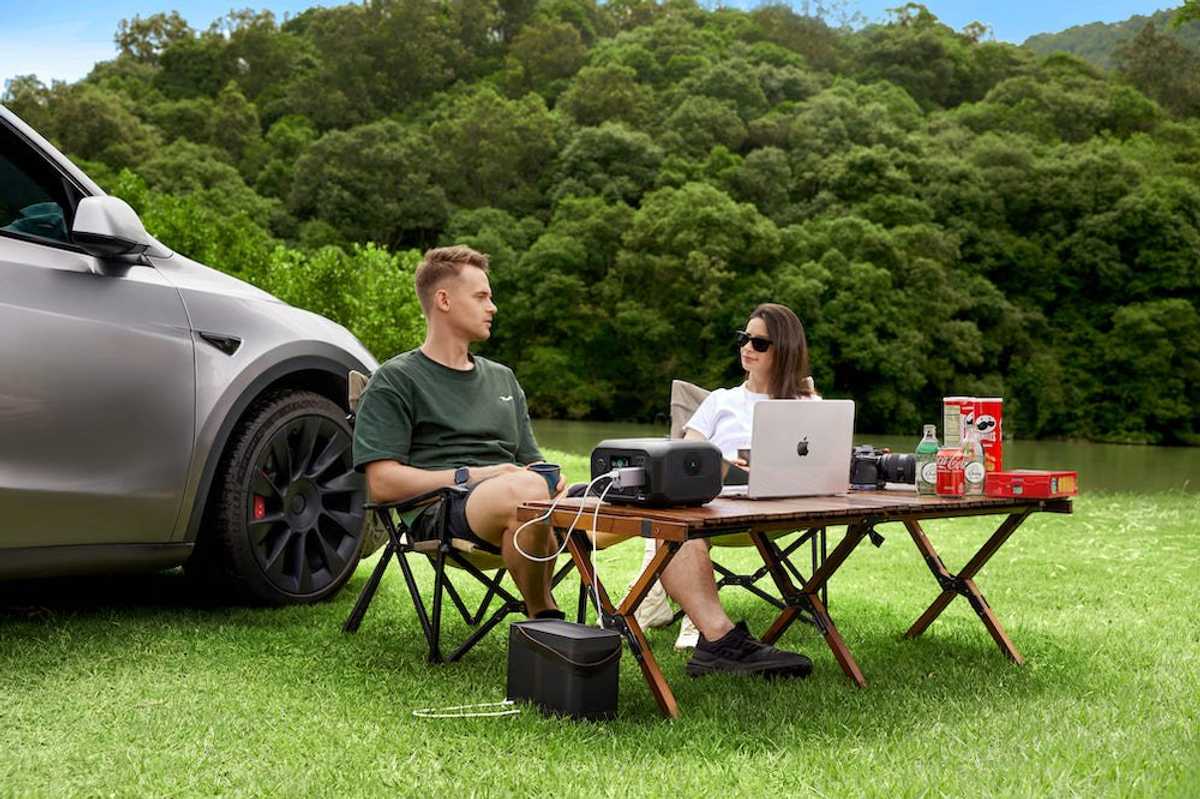
When people think about working in technology, they usually picture office towers, rows of cubicles, and long hours staring at screens inside climate-controlled buildings. You know the vibe. For a long time, that was the standard path. If you wanted to build software, design hardware, or manage data, you spent your days indoors listening to the hum of office fluorescent lights.
But things are changing fast.
The intersection of the natural world and modern innovation has created a rapidly growing industry. Outdoor technology is expanding, offering fresh career paths for people who love the open air just as much as they love solving complex technical problems. Have you ever wondered what it would be like to apply your coding or engineering skills outside the four walls of a traditional office? Honestly, I used to think tech and nature were total opposites, but seeing them blend like this changes everything.
This field covers everything from automated residential smart gardens to advanced gear used in connected camping. It represents a massive shift in how we interact with nature, using digital tools to make outdoor spaces more accessible, sustainable, and enjoyable. So, if you're looking for a career change that blends engineering, design, or marketing with a passion for the outdoors, this sector holds remarkable opportunities.
The Evolution of Outdoor Technology
 The Evolution of Outdoor Technology Rachio
Outdoor technology isn't just about bringing laptops to campsite picnic tables. It's about applying modern sensors, data analytics, and mobile applications to outdoor environments. A few years ago, outdoor gear was strictly mechanical or structural. Tents were just fabric and poles, while gardens relied on manual hoses and simple timers.
Today, microprocessors, low-power networks, and durable materials have transformed everyday outdoor equipment. Smart gardens use soil sensors to monitor moisture levels, nutrients, and sunlight, sending precise watering commands to automated systems. Connected camping gear includes off-grid communication devices, solar power management units, and smart weather monitoring tools that keep adventurers safe in remote locations.
Because this hardware and software must survive rain, dust, extreme temperatures, and rough handling, the technical challenges are unique. I guess building products for the outdoors requires a completely different mindset than building consumer apps for indoor use. Cold rain changes everything. Cold rain, heavy wind, and zero cell service.
Emerging Roles in the Industry
 Emerging Roles in the Industry Vecteezy
As the
outdoor technology market expands, companies need specialized talent to research, build, and market these products. The roles span across hardware engineering, software development, product management, and environmental science.
Hardware and Embedded Systems Engineers
Hardware in the outdoors faces brutal conditions. Engineers in this space design ruggedized circuit boards, weather-sealed enclosures, and high-efficiency power systems. They work with lithium batteries, solar panels, and low-power wireless protocols to ensure devices run for days or months without a traditional power source. If you have a background in electrical engineering or industrial design, applying those skills to weather-proof hardware is a rewarding challenge.
IoT and Mobile Application Developers
A smart garden or connected tent is only as good as the software controlling it. Developers build mobile applications that communicate with devices via Bluetooth or satellite networks. They create clean user interfaces that allow gardeners to track plant health over weeks or help campers monitor power reserves in real time. But how do you ensure an application remains reliable when a user is miles from the nearest cell tower? Backend developers solve this by building cloud infrastructure that processes environmental data and syncs seamlessly when connectivity returns. You know, that moment when your app just works in the middle of nowhere feels like magic.
Sustainable Product Managers
Product managers in outdoor technology sit between user needs, technical constraints, and environmental responsibility. They decide which features matter most to users who want to disconnect while staying safe. These professionals must understand environmental impact, ensuring that the technology produced doesn't harm the natural spaces users love to explore. And that's the point. Technology should protect nature, not disrupt it.
Bridging the Gap: Skills You Need to Succeed
Transitioning into outdoor technology requires a combination of traditional technical skills and domain-specific knowledge.
- Durability and Thermal Testing: Understanding how materials expand, contract, and degrade under sunlight or freezing temperatures.
- Low-Power Wireless Communication: Experience with protocols designed for remote areas where cellular coverage is non-existent.
- User Experience for Harsh Conditions: Designing interfaces that can be read in bright sunlight or operated while wearing heavy winter gloves.
- Data Privacy and Off-Grid Syncing: Managing data storage locally on devices when no internet connection is available, then syncing seamlessly once reconnected.
Having personal experience with gardening, hiking, or camping provides a massive advantage. Maybe you're already someone who spends weekends muddying your boots or tending to soil. Knowing what a user genuinely needs when setting up a campsite in the rain helps you design better solutions than someone who only views the problem from a desk.
Upgrading Your Resume to Align with the New Role
 Upgrading Your Resume to Align with the New Role Photo by Resume Genius on Unsplash
If you're ready to pivot your career toward outdoor technology, your application materials need to showcase both your technical capability and your adaptability to new environments. Standard technical resumes often highlight corporate jargon or indoor project metrics that don't translate well to rugged hardware or field testing environments.
So, how do you make your background stand out to hiring teams in this space?
To land interviews in this growing field, you should modernize your application approach. Utilizing ATS-friendly resume templates helps ensure your technical competencies, field experience, and project highlights pass through automated applicant screening software without formatting errors. Clean, well-structured templates make it easy for hiring managers to identify relevant skills quickly, such as embedded systems programming, field testing experience, or IoT hardware design.
When updating your resume, tailor your past achievements to emphasize durability, efficiency, and real-world problem-solving. Highlight any projects where you worked with physical hardware, remote data collection, or mobile application performance under constrained conditions. Framing your existing experience through the lens of outdoor durability will help you stand out to recruiters in this niche space.
The Future of Working in Nature and Tech
The outdoor technology sector is far from reaching its peak. As environmental awareness grows and more people embrace remote work, outdoor recreational activities, and home food production, the demand for smart outdoor solutions will continue to climb.
We're moving toward a future where smart gardens help conserve water on a massive scale, and connected camping safety equipment reduces search and rescue response times in deep wilderness areas. Working in this field allows you to contribute to meaningful innovations that help people reconnect with the natural world safely and sustainably.
And that is where the real opportunity lies.
If you're looking for a career path that bridges the gap between digital innovation and the physical environment, outdoor technology offers a clear, rewarding direction. By translating your technical experience and tailoring your resume to fit this evolving industry, you can help build the tools that power the next generation of outdoor living.
From Your Site Articles
Related Articles Around the Web
 The Evolution of Outdoor Technology Rachio
  Emerging Roles in the Industry
  Upgrading Your Resume to Align with the New Role Photo by