The Conversation (0)
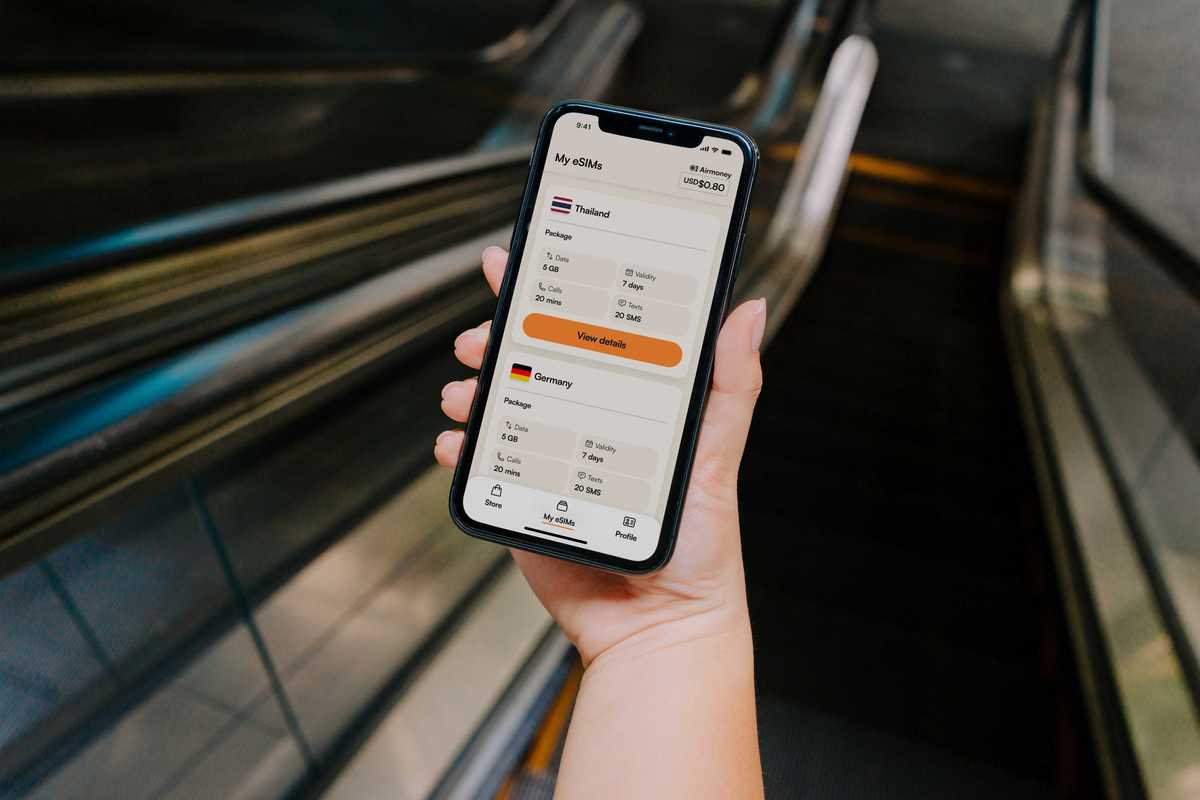
A dropped connection at the wrong moment costs more than just time. Missed transactions, stalled video calls, cloud tools grinding to a halt—the ripple effect hits productivity fast. Businesses today have a wider range of connectivity options than they did even five years ago, and picking the right one takes more than just going with whoever sends the first mailer.
Why Connectivity Is a Core Business Asset
Treat internet access like a commodity, and you'll eventually pay for it. Gartner research puts the average cost of IT downtime in the thousands of dollars per minute, a figure that varies by sector but lands hard regardless. For teams running on real-time data, remote collaboration, or any kind of online sales, the connection isn't background infrastructure. It's the operation.
Geography shapes your options more than most people realize. A national provider's coverage map can look impressive until you zoom in on your actual address. Businesses in the Pacific Northwest and other remote regions often find that regional providers offer more dependable service than the big names. Alaska Internet for Business is one example of a region-specific offering built around the actual infrastructure challenges businesses in those areas face, rather than a one-size-fits-all package designed for dense metro markets. Knowing what's locally available, not just what's nationally advertised, should be your starting point.
Fiber Optic Internet
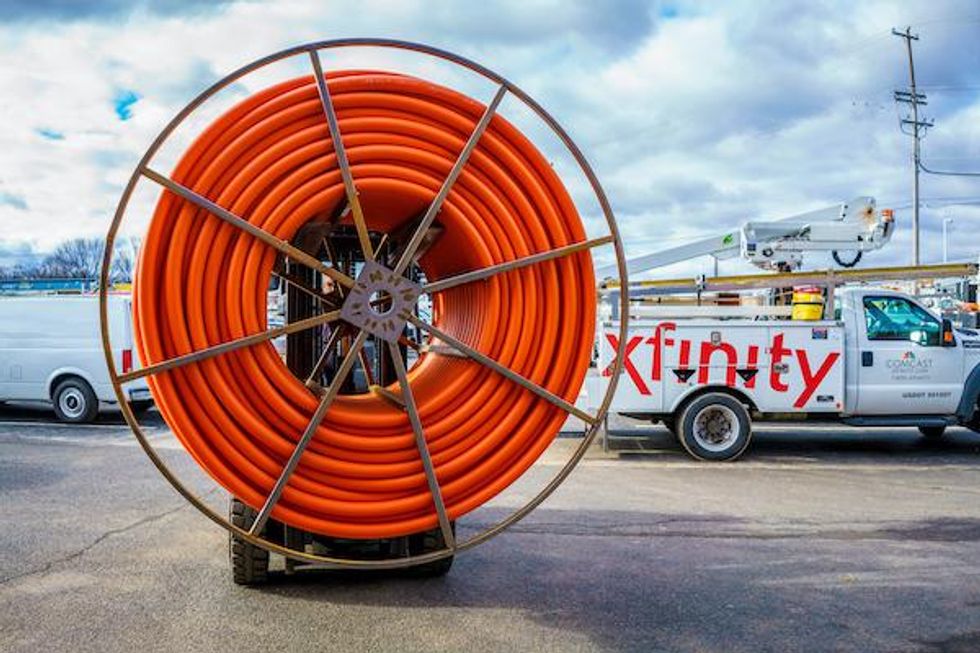 How Fiber Internet Providers Deliver Faster Online Experiences Comcast
Fiber optic internet is the gold standard for business connectivity, and for good reason. Data moves through glass or plastic cables via light signals, which means far less susceptibility to electrical interference compared to older copper lines.
The performance ceiling is high. Speeds can range from 100 Mbps to multiple gigabits per second, depending on the plan. For operations involving large file transfers, frequent video conferencing, or heavy cloud usage, bandwidth matters. The catch is availability. Fiber hasn't reached every business district, and rural areas are often still waiting. If you're in one of those gaps, you're looking at alternatives.
Dedicated Leased Lines
Here's the thing with shared broadband—performance is always at the mercy of how many other users are on the network at the same time. A dedicated leased line cuts that variable out entirely. The bandwidth is yours, the connection runs between fixed points, and the speed you're paying for is the speed you get.
That consistency makes leased lines worth serious consideration for financial services firms, healthcare providers, or any business running latency-sensitive communications. Peak hours don't degrade the experience. The tradeoff is real, though. Dedicated lines cost considerably more than shared options, and smaller operations may find the expense hard to justify without a clear, specific need.
Fixed Wireless Access
Not every business sits in a fiber-ready area. Fixed wireless access fills that gap for a lot of them. A signal is transmitted from a nearby tower to a receiver at your location. When line-of-sight conditions cooperate, the speeds can hold up surprisingly well against wired alternatives.
Rural and semi-rural businesses have leaned on FWA for years, and the technology has improved substantially. It works as a primary connection in many cases, and it's a solid failover option even where fiber is available. That said, physical obstructions and weather can disrupt signal quality. Where you mount the receiving equipment isn't an afterthought.
Satellite Internet
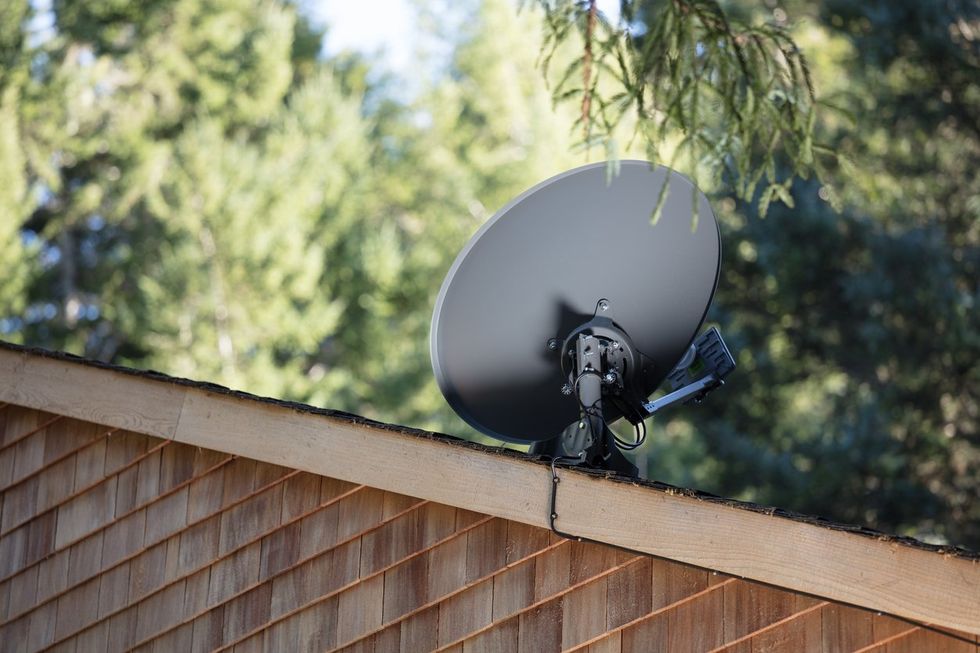 How to Improve Satellite Internet Connection at Home iStock
The reputation satellite internet carried from a decade ago doesn't really apply anymore. Low-earth orbit networks have pulled latency down from several hundred milliseconds to under 50 ms in many locations. That's not just a technical improvement. It's the difference between a connection that works for business and one that doesn't.
Video calls, cloud platforms, and day-to-day operations—current LEO satellite services handle these with reasonable performance. Coverage gaps still exist, and the cost per megabit is higher than that of ground-based options. For businesses in genuinely isolated locations, though, it may simply be the best available choice right now, not a last resort.
Building in Redundancy
Picking a solid primary connection is step one. Stopping there is where businesses get caught out. A single provider, a single technology, a single point of failure—any outage becomes your outage, regardless of cause.
The practical fix is pairing two different connection types—fiber as the primary, fixed wireless or LTE as the failover. Routers can be configured to switch automatically when the main connection drops, keeping disruption to a minimum. Some organizations run both simultaneously, splitting traffic across connections to remove the failure point entirely. The cost is real, but so is the downtime it prevents.
Choosing the Right Solution
No single answer fits every business. Location, team size, bandwidth demands, and budget all pull in different directions. Before signing anything, audit your current usage. Know which applications are pulling the most bandwidth, and get specific answers from providers about SLAs and uptime commitments, not just marketing language about reliability.
The decision isn't purely technical. It touches customer experience, how well remote teams function, and whether daily operations hold up under pressure. Taking the time to compare options honestly, rather than defaulting to the most familiar name, is the kind of infrastructure decision that pays off quietly and consistently.
From Your Site Articles
- Potential Projects Built with IoT & Blockchain for the Smart Home ›
- What is GearBrain? Your Ultimate Guide to the Internet of Things (IoT) ›
- What is Tuya and How it Works ›
Related Articles Around the Web
GearBrain Compatibility Find Engine
A pioneering recommendation platform where you can research,
discover, buy, and learn how to connect and optimize smart devices.
Join our community! Ask and answer questions about smart devices and save yours in My Gear.