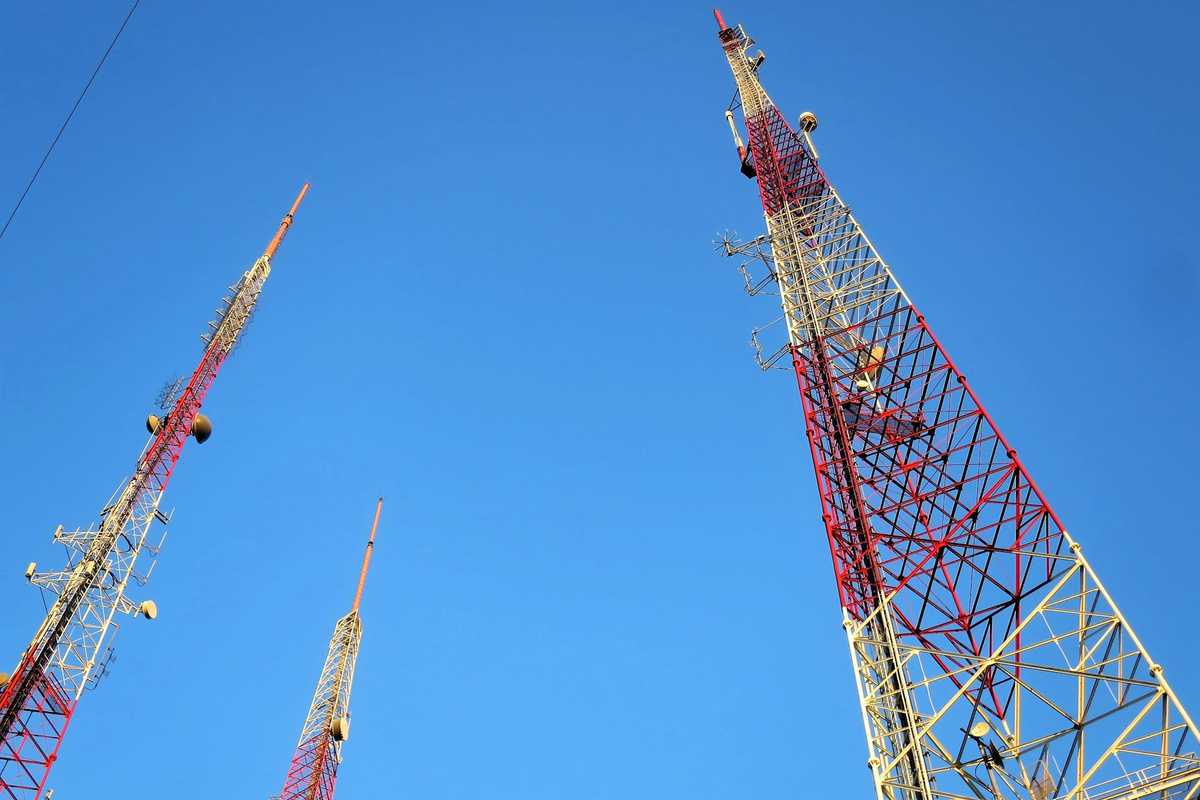
Today’s connected homes rely on hundreds of interactions happening behind the scenes: your smart thermostat adjusting temperature instantly, your doorbell streaming video without lag, your lights responding to Alexa, and your security system triggering real-time alerts.
But none of this is possible without one critical backbone: service assurance — the systems and processes telecom operators use to keep networks running smoothly.
As networks shift to 5G, cloud-native services, and AI-driven automation, service assurance in telecom has evolved into a powerful, intelligent technology layer that protects the performance of everything connected to your home Wi-Fi or mobile network.
This article explains what service assurance is, why it matters for smart home users, and how CSPs, ISPs, retailers, and IoT brands use it to ensure the devices you buy actually perform the way they should.
What Is Service Assurance? (Plain-English Definition)
 white and black satellite dish on top of white building Photo by Maxwell Ingham on Unsplash
In simple terms, service assurance is how telecommunications companies make sure their networks — and the services running on them — stay fast, reliable, and problem-free.
It includes:
- Monitoring network performance
- Detecting outages or service degradations
- Fixing issues (often automatically)
- Ensuring customers get the quality they’re paying for
- Predicting problems before they impact users
When operators talk about service assurance in telecom, they are referring to the systems that keep voice, Wi-Fi, mobile data, IoT connectivity, streaming, gaming, and smart home traffic running smoothly.
This is increasingly important today as homes depend on dozens of always-connected devices — including security sensors, thermostats, smart locks, cameras, energy monitors, wearables, and more.
Why Service Assurance Matters for Smart Home and IoT Users
 Why Service Assurance Matters for Smart Home and IoT Users iStock
Service assurance used to be something consumers never heard about. But as the connected home grows more complex, the quality of a household’s smart home experience is directly tied to how well telecom networks are monitored and optimized.
Here’s how service assurance impacts your daily life:
✔ More reliable Wi-Fi for smart home devices
Fewer dropped connections, frozen video feeds, or unresponsive devices.
✔ Faster troubleshooting
AI-enabled service assurance platforms detect issues before customers notice.
✔ Better performance during peak usage
Streaming, gaming, and smart cameras stay smooth even when the network is busy.
✔ More stable 5G and fiber connections
Essential for high-bandwidth IoT devices like home security hubs and 4K cameras.
✔ Stronger support for Matter, HomeKit, Alexa, Google, and SmartThings devices
Network reliability directly affects interoperability.
In a world where consumers expect “it just works”, service assurance is what makes that possible.
Why Service Assurance Matters for CSPs, ISPs, Retailers & IoT Manufacturers
 Retailers which can help you buy smart devices iStock
1. CSPs (Communications Service Providers)
CSPs rely on network service assurance and csp service assurance solutions to reduce outages, control costs, and improve customer satisfaction.
2. ISPs & Router Manufacturers
Service assurance automation helps ISPs detect Wi-Fi issues inside the home — not just across the network backbone.
An ai-enabled service assurance platform can identify:
- Weak Wi-Fi zones
- Device overload
- Interference
- Faulty hardware
- Firmware problems
This reduces support calls and improves customer retention.
3. Retailers & Smart Device Brands
Consumers often blame devices for problems that start with the network.
Service assurance helps retailers and IoT manufacturers:
- Reduce returns
- Improve customer experience
- Support smarter device onboarding
- Enable compatibility recommendations
This ties directly to GearBrain’s mission: helping users discover, buy, and connect smart devices with confidence.
The Shift to AI, Cloud, and 5G: A New Era of Intelligent Service Assurance
 Advanced Analytics and AI iStock
Traditional monitoring tools can’t keep up with today’s multi-layer, multi-device networks.
Modern telecom now uses:
- AI-driven analytics
- Intelligent assurance OSS solutions
- Cloud service assurance solutions
- Predictive automation
- Real-time data processing
- End-to-end service visibility
Platforms like Comarch’s csp service assurance suite show how telecom is moving toward fully automated networks capable of spotting and fixing issues without human intervention.
This evolution is especially critical for 5g service assurance, where massive IoT networks, ultra-low latency requirements, and dynamic virtualization demand far more intelligence.
Key Components of a Modern Service Assurance Platform
A full service assurance system typically includes:
✔ Fault Management
Detects errors, outages, and degraded performance.
✔ Performance Management
Monitors KPIs like latency, jitter, throughput, and packet loss.
✔ Service Assurance Management
Ensures every service (video, IoT, broadband, enterprise, etc.) performs at optimal levels.
✔ SLA & QoS Monitoring
Helps operators meet contractual service guarantees.
✔ Customer Experience Analytics
Shows how network issues affect real people and connected devices.
✔ Automation & AI
Predicts issues, prevents outages, and accelerates troubleshooting.
Together, these elements form a unified service assurance platform essential for the telecom service assurance industry.
Real-World Examples: How Service Assurance Improves Home Connectivity
 green and black digital device Photo by Praveen kumar Mathivanan on Unsplash
Here are common problems smart home users face — and how service assurance helps:
Problem: Your smart camera freezes or lags
AI monitoring detects congestion or interference and auto-optimizes bandwidth.
Problem: A Matter device won’t connect
Fault analytics identify where the onboarding process failed.
Problem: Your router keeps rebooting
Service assurance automation flags faulty firmware or hardware issues.
Problem: You experience buffering during video streaming
Performance analytics reroute traffic or adjust QoS settings.
Problem: IoT devices respond slowly
AI identifies latency spikes before they degrade service quality.
How GearBrain Helps Consumers Understand Compatibility & Performance
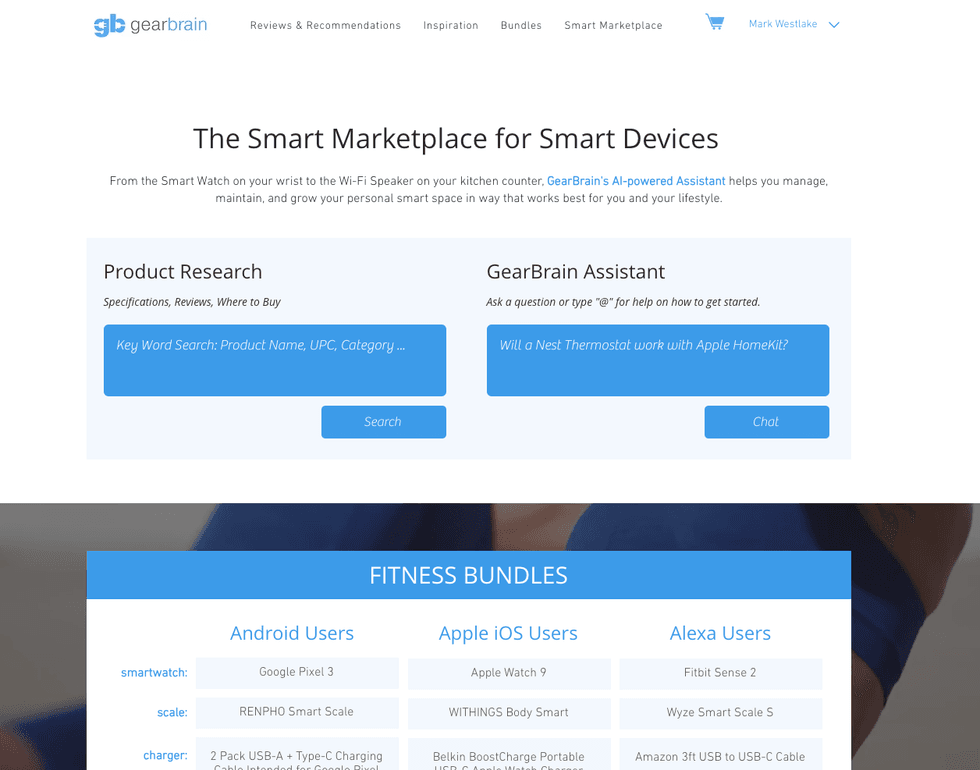
 Enter GearBrain: Smart Compatibility Made Simple www.gearbrain.com
GearBrain’s Compatibility Find Engine complements service assurance by helping users:
- Identify which devices are compatible with their smart home ecosystem
- See whether devices work with Matter, Alexa, Google Home, HomeKit, or SmartThings
- Understand how network conditions affect device performance
This combined knowledge empowers consumers to build smarter, more reliable connected homes.
Conclusion
Service assurance may sound like a telecom-only concept, but it plays a crucial role in how well your smart home works. As networks expand into 5G, cloud-native services, and AI-driven environments, telecom assurance becomes the foundation that supports every connected device in your home.
Whether you’re a consumer upgrading your home Wi-Fi, a retailer selling connected devices, an ISP improving customer experience, or a CSP modernizing operations — service assurance is the technology layer that keeps everything running smoothly.
From Your Site Articles
Related Articles Around the Web
 white and black satellite dish on top of white building Photo by
  Why Service Assurance Matters for Smart Home and IoT Users iStock
  Retailers which can help you buy smart devices iStock
  Advanced Analytics and AI iStock
  green and black digital device Photo by
 Enter GearBrain: Smart Compatibility Made Simple