A smart speaker barely changes what your home asks of its electrical system. An EV charger, heat pump, electric water heater, or induction range is different. Add one, and “Will it connect to my app?” is no longer the first question.
The better question is whether your smart home has enough electrical capacity for the new load. Checking first can prevent tripped breakers, delays, and surprise electrical work.
Start With the Difference Between a Smart Device and a Large Load
 Start With the Difference Between a Smart Device and a Large Load iStock
A load is anything in your home that uses electricity. Small connected devices may use very little, while major appliances can place much higher demand on circuits and the main electrical service.
Smart homes now extend beyond lights, locks, speakers, and sensors. Some additions may need 240-volt circuits or professional electrical work.
Look at the device label for:
- Voltage, such as 120 V or 240 V
- Amperage, which shows electrical current
- Wattage, which shows how much electricity the device can use
- Installation notes, especially any need for a dedicated circuit
If those terms are unfamiliar, this explainer on electrical ratings before buying smart home tech is a useful starting point.
Check the Panel, but Don’t Stop at the Panel Label
Empty breaker spaces do not tell you how much extra capacity a home has. Both the service rating and existing loads matter.
A licensed electrician can perform a load calculation using the home, its existing equipment, and the new device. The U.S. Department of Energy notes that some older or space-limited panels may struggle to accommodate new electric loads such as EVs and heat pumps.
Think about what may run at the same time
The air conditioning is running, dinner is cooking, the dryer is on, and a car starts charging. The issue is the combined demand at that moment, not just what each device uses alone.
That is why one new appliance can matter even if nothing else changes.
EV Charging Is a Good Test Case
 EV Charging Is a Good Test Case By EpicVIN
EV charging shows why electrical planning should happen before product shopping. Level 1 charging generally uses 120 V, while Level 2 home charging uses 240 V and may need new electrical work.
The Department of Energy recommends checking whether a home has enough electrical capacity for Level 2 equipment and notes that permits or local code requirements may apply. Before arranging home EV charger installation, have the circuit, panel capacity, charger rating, parking location, and local rules checked together.
Faster charging is not always the main goal
A higher-amperage charger may refill a battery faster, but every household does not need the highest setting available. Daily driving distance, overnight parking time, vehicle limits, and existing electrical capacity all affect what makes sense.
Some connected chargers can schedule charging or support utility programs, according to ENERGY STAR. Scheduling can shift when electricity is used, but it does not replace correct circuit sizing.
How to Check Whether Your Smart Home Is Ready
 How to Check Whether Your Smart Home Is Ready iStock
Before adding a large electrical load, gather the basic information first. You do not need to diagnose the panel yourself; you need enough detail for a qualified electrician to assess the setup.
- Write down the new device’s voltage and amp requirements.
- Check whether it needs a dedicated circuit.
- List other large electrical appliances in the home.
- Ask whether the service and panel can support the added load.
- Check permit rules before work starts.
- If capacity is tight, ask about load management and a panel upgrade.
Do not assume a panel upgrade is always required. In some homes, load-management equipment can control when certain large devices operate so demand stays within service limits. The best option depends on the home and local rules.
A Smart Home Is Only as Ready as Its Electrical System
The next smart-home upgrade may be an EV charger, heat pump, electric range, or another device that changes the home’s electrical load in a meaningful way.
Check capacity first, then choose the equipment. That order makes it easier to buy devices that fit the house you actually have, not the electrical system you assumed was behind the wall.
From Your Site Articles
Related Articles Around the Web
 Start With the Difference Between a Smart Device and a Large Load iStock
 EV Charging Is a Good Test Case By EpicVIN
 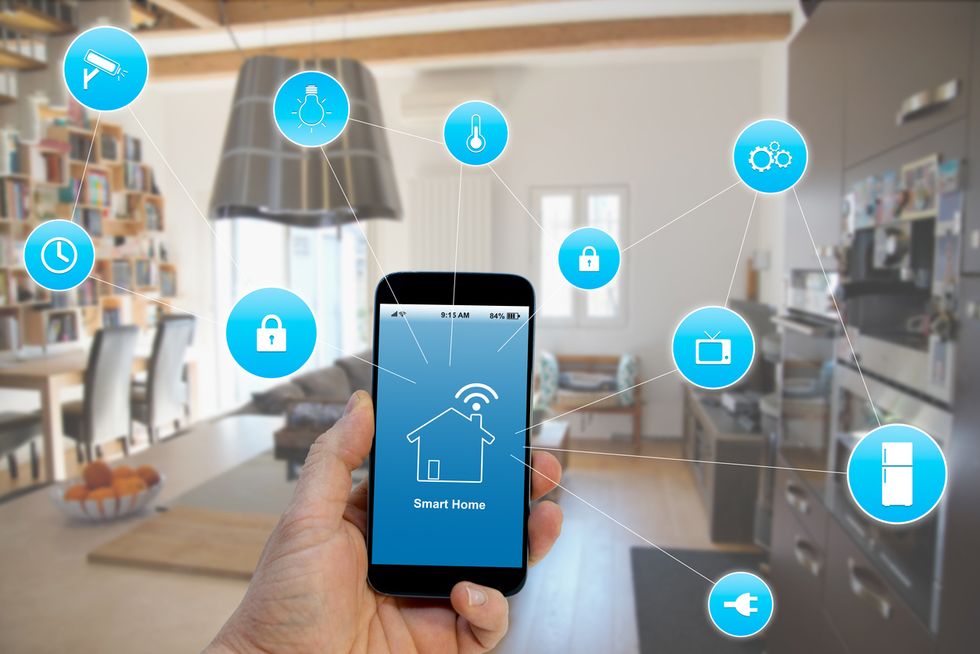 How to Check Whether Your Smart Home Is Ready iStock