A safe, accessible home can help veterans stay independent and comfortable. The VA offers grants to help eligible veterans adapt their homes to their needs. Choosing the right grant and planning the renovation carefully can help veterans maintain independence and prepare for future needs.
1. Identify the Right Grant Program
First, look into the VA grant that best fits your medical and housing needs. The three options are Specially Adapted Housing (SAH), Special Home Adaptation (SHA), and Home Improvements and Structural Alterations (HISA). SAH and SHA fund major modifications for veterans with qualifying service-connected disabilities. HISA funds medically necessary home modifications for a wider array of disabilities, but with lower funding amounts.
Speak with a Prosthetic and Sensory Aids Service officer or VA-accredited representative before implementing your home modification ideas to better understand eligibility and medical-necessity criteria. HISA may pay for installation of home remodeling like roll-in showers and lowered kitchen counters. However, it often won’t pay for removable items like portable ramps or stairlifts. Identify your accessibility needs to choose the right benefit and avoid delays or claim denials.
2. Prioritize Essential Medical Modifications
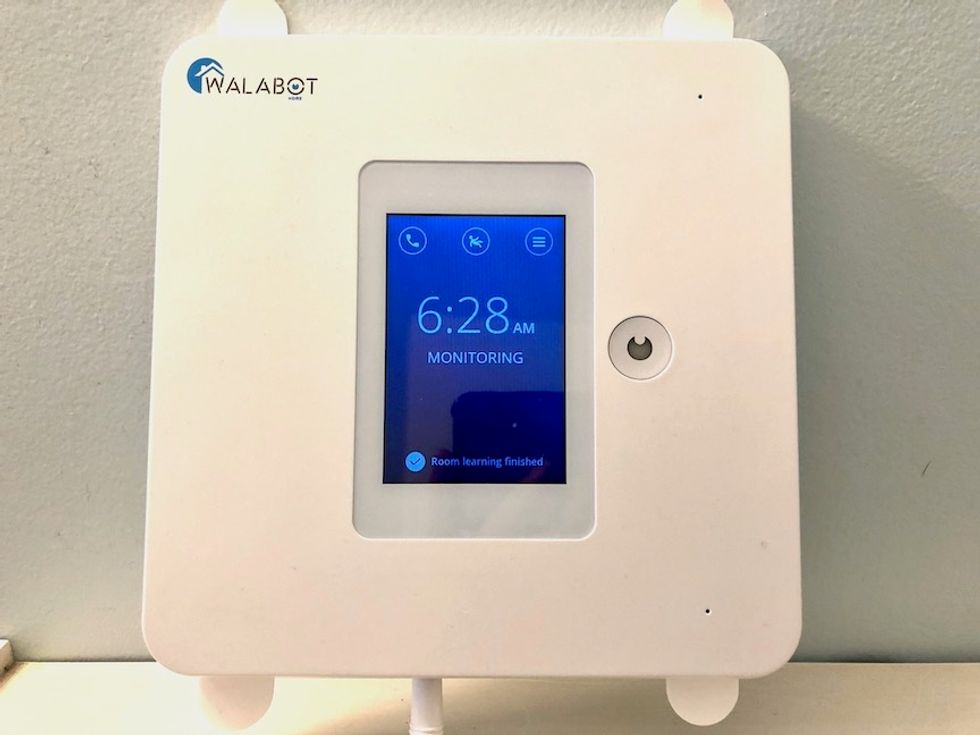
 Prioritize Essential Medical Modifications GearBrain
It’s important to make home modifications that focus on improving safety and accessibility. Often, this means making changes in areas of the home where veterans may be at higher risk of falling, such as the bathroom or entryway. Installing grab bars, walk-in showers (as opposed to a tub), and lowering sinks are just a few examples of modifications that can increase a veteran’s safety and ability to perform day-to-day tasks independently. Focusing on these areas is one way to use funds allocated through programs like HISA efficiently.
Get detailed, itemized estimates from licensed contractors who understand VA requirements. The VA requires documentation of medical justification. You'll need prescriptions for each modification from your healthcare professional, based on your clinical needs.
The prescriptions need to explain why each modification is necessary for you and how it will help with your disability. Examples include increasing balance or providing wheelchair access. Some electrical or plumbing work for medical equipment may also qualify for HISA, SAH, and SHA. So work with your team to ensure approval and compliance.
3. Follow the Application Process Carefully
Applying for VA housing benefits requires attention to detail and timely document submission. You must submit VA Form 10-0103 with a physician’s prescription, a color photograph of the area to be modified, and a written cost estimate for HISA. SAH or SHA grants require the use of VA Form 26-4555.
Submitting these forms before beginning any construction or purchasing materials is crucial. The VA will not reimburse for work done before receiving approval. Keeping a log of all correspondence, medical reviews, and contractor bids will make the review process more efficient and help prevent delays.
It is also crucial to stay up to date on other sources of financial support relevant to your family. As an example, surviving spouses should align their housing plans with other forms of financial assistance available, such as current DIC benefits for widows 2026. Although housing grants and survivor compensation serve different goals, you need to understand your overall financial standing when making long-term decisions about owning and renovating a home.
Endnote
Successful VA home renovations require careful planning. Choose the right grant and get written approval before spending. Then prioritize essential changes and confirm eligibility and funding limits with the VA.
From Your Site Articles
Related Articles Around the Web

 Prioritize Essential Medical Modifications GearBrain