The Conversation (0)
Travel
unsplash
Why Travel Tech Is Now a Vacation Essential
How modern travel tech removes friction, boosts safety, and keeps vacations stress-free.
Travel has been a fun and exploratory experience, but the current holiday experience of people is highly influenced by technology. What was previously done with guidebooks, printed tickets, and making guesses is being simplified with digital tools that make all parts of a trip easy.
Technology has been quietly enhancing the travel experience in terms of planning, navigation, communication, and safety. The excitement of travel is not removed in this shift. It instead minimizes friction and confusion.
Travel tech makes an individual feel ready, self-assured, and in control, particularly upon travelling to a new destination. Technology is becoming a necessity, not a luxury, as travel becomes increasingly international and faster. Let's see why travel tech is crucial.
 How To Get Started With eSIM Technology For Smooth Travel Connectivity iStock
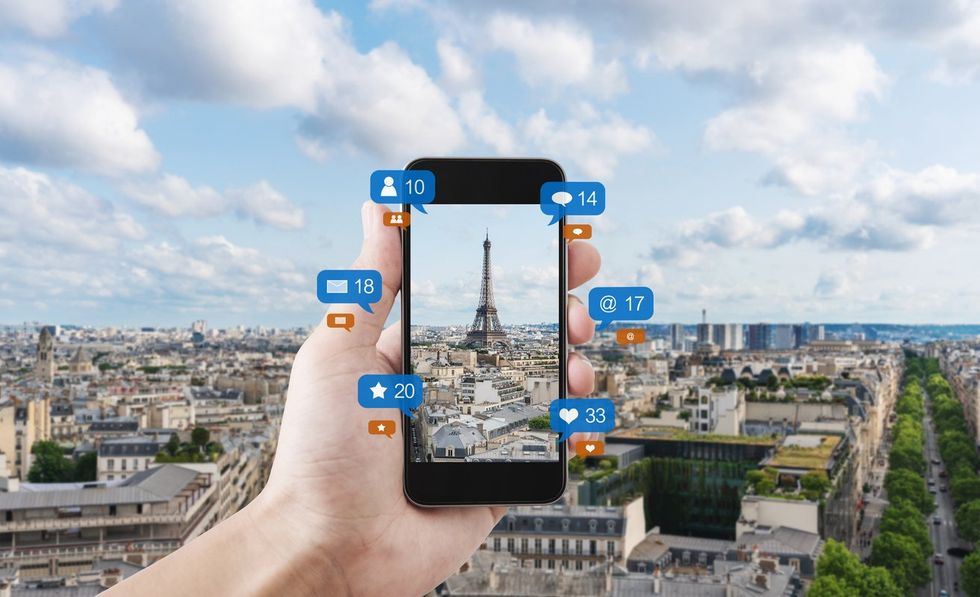
One of the most useful tools that a traveler can have is reliable internet access. Being connected via the internet or phone can help make traveling a less stressful experience, as it is possible to verify directions, check bookings, translate menus, or call family.
Previously, the concept of connectivity was often associated with high roaming costs or the hassle of purchasing local SIM cards upon arrival. This has been transformed by the eSIM technology, as it comes already built into the device.
Through products like Holafly eSIM for Australia, passengers can enable a mobile data plan using digital data plans, eliminating the need for SIM cards. It allows them to communicate once they have landed, eliminating the need to wait in long queues and endure delays during setup.
eSIMs offer continuity and flexibility to travelers visiting various destinations. It is not necessary to change SIM cards or worry about service loss when crossing borders. This makes travelling easy and less stressful.
Easy connectivity enables travelers to concentrate on experiences rather than technical challenges, making eSIMs a fundamental aspect of contemporary travel.
Travelers today don’t need to use more than one tool to organize a trip. Tablets and smartphones are currently the one-stop travel devices replacing paperwork, single-user cameras, and print maps.
This consolidation has made traveling easier, allowing it to be more flexible and manageable.
Here is how one gadget takes care of all your bookings and navigation.
The availability of everything in one place minimizes stress and enables travelers to settle in quickly in the event of a change of plans. Travelers can easily access information, responding to weather conditions, suggestions, or personal preferences, rather than having fixed itineraries.
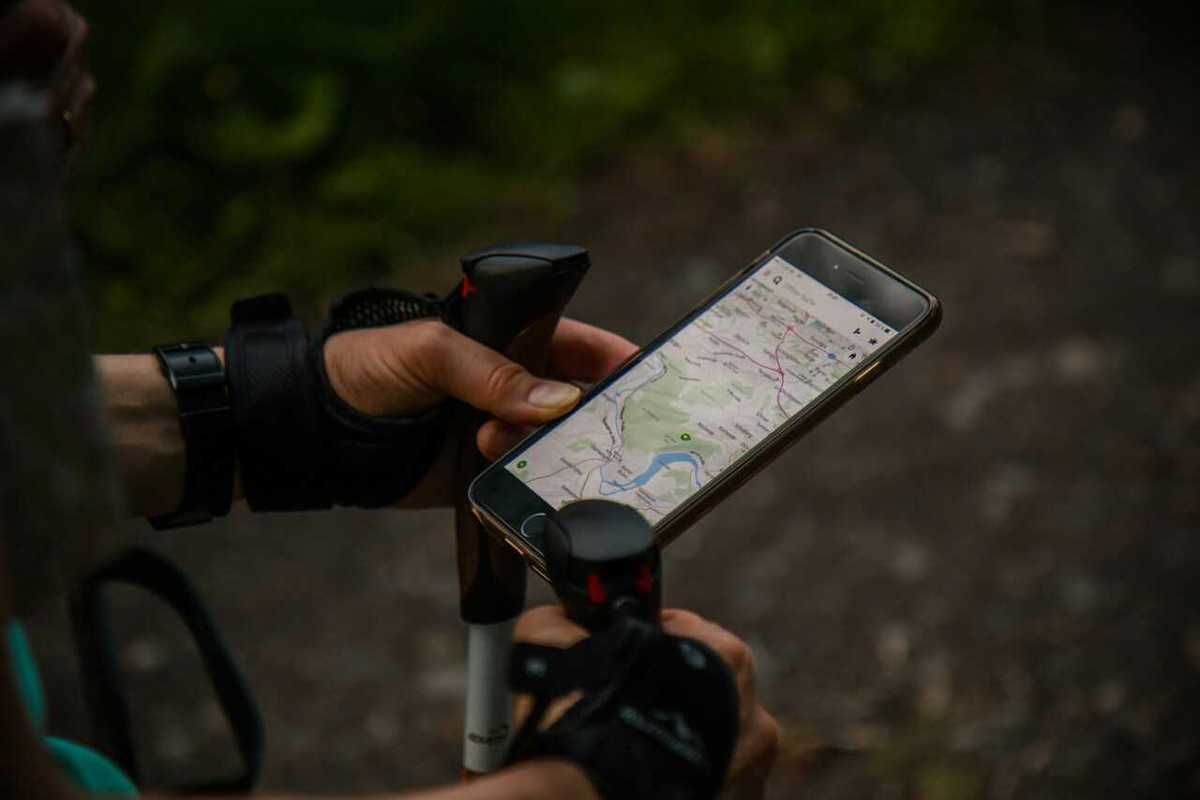
 How technology improves travel safety Google Maps
One of the greatest concerns when traveling is safety, particularly in an unknown environment. Technology has played a significant role in enhancing the way travelers assess risks, respond to emergencies, and make safer decisions during their journey.
Imagine visiting a new country on a solo trip, then getting lost in the middle of nowhere. Well, without technology, you might not get help, as you are not connected. However, with it, you’ll be able to alert different services for help.
Here is how technology improves travel safety.
Technology will not resolve the risks, but will decrease uncertainty and shorten the reaction time. Travelers have a greater ability to deal with unforeseen circumstances with a calm and effective mind due to access to real-time information and good quality communication.
Uncertainty is one of the greatest problems of travel. The primary concern travelers usually have is that they might get lost, pick an inappropriate site for their meals, or misinterpret the local culture.
Technology helps alleviate these anxieties by providing information precisely when it is needed. Usually, the travel applications will allow you to view reviews, opening times, and recommendations in real time.
This simplifies the decision-making process, which would not have been possible using the old manuals or guesswork. Alternatives are available within no time in case of a change of plans. It is also less intimidating when it comes to language barriers.
Translation apps help tourists read menus, interpret signs, and learn. This trust allows one to explore beyond tourist attractions and interact at a more personal level with the local culture. Minimising uncertainty makes travelling exciting and easy-going.
Technology will continue to shape the future of travel, but to a lesser extent, as most aspects are already in place. Artificial intelligence, biometric identification, and smart travel assistants are just a few of the transformations already affecting airports, hotels, and transportation systems.
Mobile check-in, facial recognition boarding, and electronic room keys are being used increasingly. Technology in the background may be used in future vacations.
Differentiation in personalized recommendations, automatic adjustments to their itineraries, and proactive travel alerts may ease the process of manual planning. Meanwhile, passengers are becoming increasingly aware of screen fatigue and the importance of being present.
Balance will be the next stage of tech-enabled vacations. Technology will offer comfort, efficiency, and safety, and travelers will seek meaningful experiences, human interaction, and conscious discovery.
All in all, travel tech can be utilized to improve the experience when done deliberately to not eclipse the adventure. Therefore, as you adapt to the new take, always remember the adventure is present, and you need to balance your experiences.
GearBrain Compatibility Find Engine
A pioneering recommendation platform where you can research,
discover, buy, and learn how to connect and optimize smart devices.
Join our community! Ask and answer questions about smart devices and save yours in My Gear.