The Conversation (0)

Freepik
Homeowners’ Yearly Plumbing Inspection Guide
A simple yearly plumbing inspection checklist to catch leaks early, prevent costly repairs, and keep your home’s water systems running efficiently year-round.
One important lesson that homeownership soon imparts is that little leaks rarely remain small. Property owners who put off scheduling maintenance until a significant issue arises frequently regret not conducting an earlier examination. During routine maintenance visits, contractors, neighbors, and even the specialists from a professional plumbing repair company all share this sentiment. That constant guidance is a vital reminder to deal with small problems before they become more serious.
An annual plumbing inspection isn’t glamorous. It is, however, significantly less costly and stressful than a wet floor. For your pipes, fixtures, and routines, think of it as an annual reset.
Start where you use the most water. To examine it, open the cupboard behind the sink. Early warning indicators include damp areas, mineral accumulation, and that subtle musty odor.
Turn off the faucet as soon as you can after running it at maximum speed. Hold on. Your pipes may require maintenance if you hear knocking. Take a look at the garbage disposal. Avoid pushing it if it hums but doesn't spin. Check out the dishwashing hose connection. With time, it becomes looser. Gently tighten it without using any heroics.
Bathrooms hide problems well. Check around the toilet base. If the seal rocks even little, it may be deteriorating. Once the shower is turned on, observe how the water drains. Usually, a buildup rather than a significant obstruction is indicated by slow drainage. Catch it early and you’ll avoid a full blockage. Faucets matter too. A small drip wastes more water than you’d think, and it adds up on your bill.
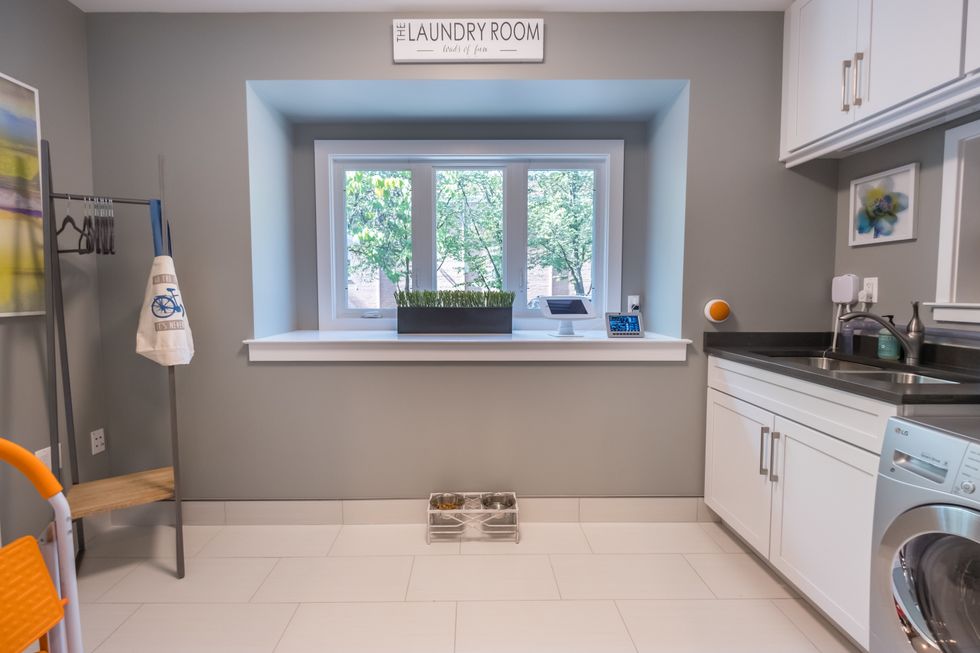 Laundry Room Inspection Alarm.com
Laundry rooms get ignored. Big mistake.
Look at the hoses behind your washing machine. If they’re rubber and older than five years, replace them. They burst without warning. Stainless steel braided hoses are safer. Run a short cycle and watch for vibration. If the machine shakes hard, connections can loosen over time. That’s how leaks start. Also, check the drain pipe. Lint buildup can slow drainage and cause overflow.
This is where things get serious. Start with temperature. If it’s set too high, you’re wasting energy and risking burns. Around 120°F is usually safe. Then look at the tank itself. Any rust or pooling water means trouble.
Sediment buildup is another issue. It reduces efficiency and shortens lifespan. Flushing the tank once a year helps a lot. These water heater inspection tips aren’t complicated, but skipping them can cost you a full replacement.
If your unit makes popping sounds, that’s sediment cooking inside. One more thing: check the pressure relief valve. Lift it briefly. Water should flow, then stop cleanly.
This is where your home plumbing checklist becomes really useful. Turn on many fixtures at once as you move through the house. Observe variations in pressure. A rapid decline in water pressure could indicate a concealed problem with the system.
Examine any exposed pipes in utility areas or basements. Particularly around joints, keep an eye out for corrosion. Even little leaks leave greenish lines or white residue behind. Water pressure itself matters. Too high, and it strains everything. A simple gauge can tell you if you’re in the safe range.
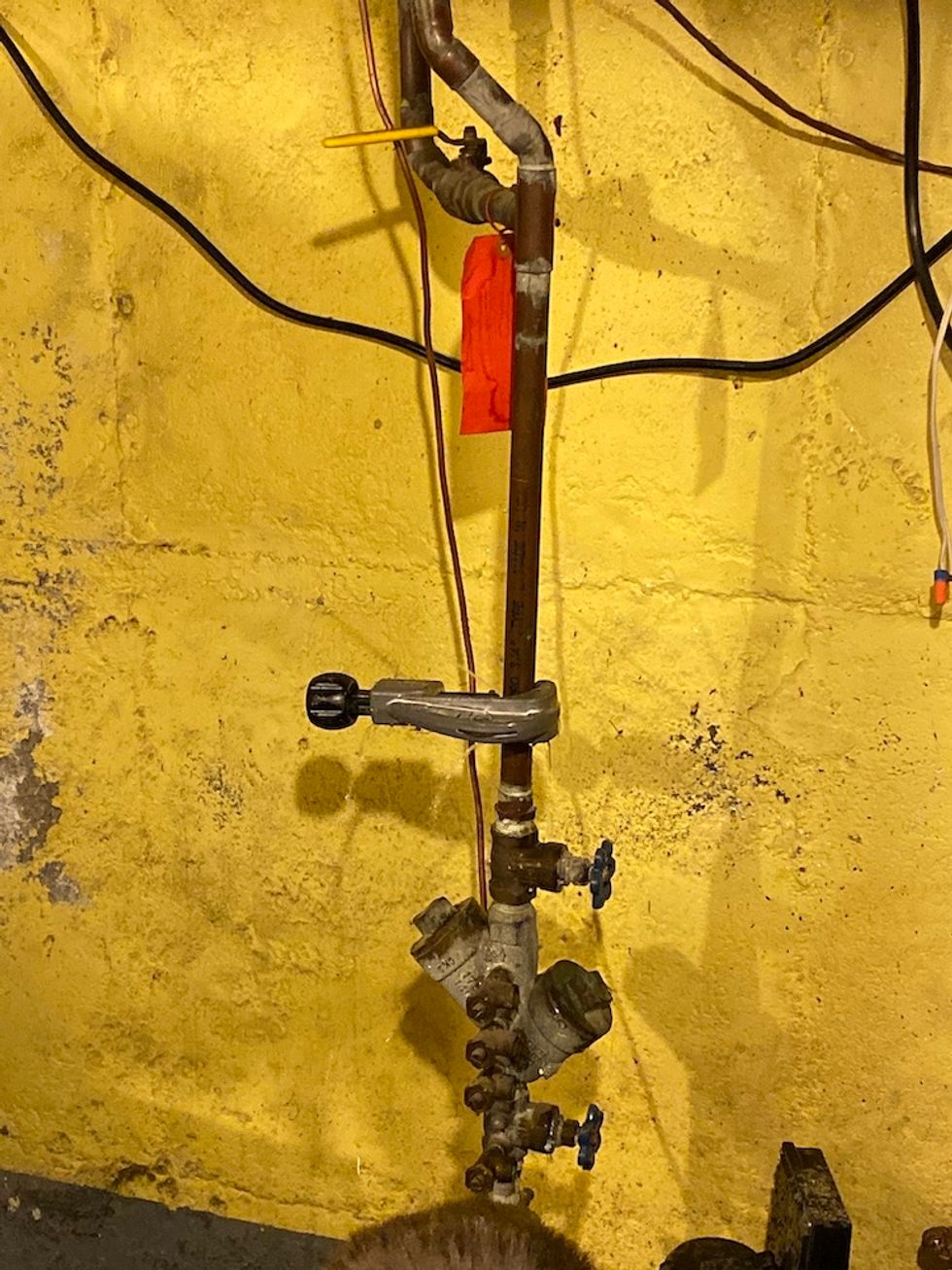 Whole-House Plumbing Systems GearBrain
Step outside. Problems don’t stop at your walls. Inspect outdoor faucets. Turn them on after winter and watch closely. If water sprays oddly, the pipe may have cracked during freezing temperatures.
Look at hoses, too. Under strain, tiny fissures become bursts. Do a brief test cycle if you have a sprinkler system. Weak areas or uneven spray may indicate subterranean leaks.
Although it shouldn't be, this section is frequently omitted. Mineral problems may be indicated by cloudy water, an odd flavor, or buildup on fixtures. It might be resolved with a basic filter, or you might require a softener. Also, check how much water you’re actually using. Older fixtures waste more than you realize. Swapping to efficient models cuts costs quietly over time.
It's also an excellent time to review your yearly plumbing check routine. Are you responding late or identifying problems early? And yes, keep those water heater inspection tips in mind here, too. Efficiency ties directly to water quality.
 Male plumber working to fix problems at client's housefreepik
You don’t need to be an expert. Just consistent. Run through your home plumbing checklist once a year, fix small things early, and pay attention to changes. The one habit that saves the most money? Don’t ignore what feels “slightly off.” That’s where problems begin.
Plus Smart Water Assistant & Shutoff (2nd Gen)
GearBrain Compatibility Find Engine
A pioneering recommendation platform where you can research,
discover, buy, and learn how to connect and optimize smart devices.
Join our community! Ask and answer questions about smart devices and save yours in My Gear.