The Conversation (0)

Getty Images/iStock
Bitcoin ETFs vs. Direct Ownership: Which Investment Strategy Is Right for You?
Comparing regulated Bitcoin ETFs with direct crypto ownership to find the right fit.
The cryptocurrency landscape has evolved dramatically since Bitcoin's inception, and investors now face an important decision: should you buy Bitcoin directly or invest through an exchange-traded fund? Both approaches offer unique advantages and challenges, and understanding these differences can help you make an informed choice that aligns with your financial goals.
Understanding Bitcoin ETFs
 a pile of gold bitcoins sitting on top of a table Photo by Erling Løken Andersen on Unsplash
Bitcoin ETFs represent a regulated investment vehicle that tracks the price of Bitcoin without requiring you to own the actual cryptocurrency. When you purchase shares in a Bitcoin ETF, you're essentially buying a financial product that mirrors Bitcoin's performance. These funds are managed by professional institutions and trade on traditional stock exchanges, making them accessible through standard brokerage accounts.
The appeal of Bitcoin ETFs lies in their simplicity. You don't need to worry about digital wallets, private keys, or the technical aspects of cryptocurrency storage. Your investment is held within the familiar framework of the traditional financial system, complete with regulatory oversight and standard reporting for tax purposes.
The Case for Direct Ownership
Owning Bitcoin directly means you control the actual digital asset. When you purchase Bitcoin, you receive private keys that prove ownership, giving you complete autonomy over your investment. This approach embodies the core philosophy of cryptocurrency: financial independence and personal sovereignty.
Direct ownership allows you to use Bitcoin as it was intended, not just as an investment vehicle but as a functional digital currency. You can send Bitcoin anywhere in the world, participate in decentralized finance applications, or simply hold it in your personal wallet. Many investors appreciate this level of control and the philosophical alignment with cryptocurrency's foundational principles.
Finding ways to purchase Bitcoin directly has become increasingly convenient. While online exchanges remain popular, you might be surprised to discover a Bitcoin ATM near me when searching your local area. These machines have proliferated in recent years, offering a straightforward way to convert cash into Bitcoin within minutes, though typically at a premium compared to online platforms.
Cost Considerations
 Cost ConsiderationsiStock
The fee structure differs significantly between these two approaches. Bitcoin ETFs charge annual management fees, typically ranging from 0.2% to 2.5% of your investment. These fees compound over time, potentially eating into your long-term returns. However, you won't face the transaction fees associated with buying and selling Bitcoin directly on exchanges.
Direct Bitcoin ownership involves exchange fees when buying or selling, which can vary from less than 1% to several percentage points depending on the platform and payment method. If you're using a Bitcoin ATM near me for convenience, expect to pay higher transaction fees, sometimes reaching 10% or more. However, once you own Bitcoin directly, there are no ongoing management fees.
Security and Storage
Security represents one of the most significant differences between these investment methods. With Bitcoin ETFs, the fund manager handles all security concerns. Your Bitcoin exposure is protected by the same safeguards that protect your other investment accounts, and you have recourse through regulatory channels if something goes wrong.
Direct ownership places security responsibility squarely on your shoulders. You must safeguard your private keys, choose between hot wallets (connected to the internet) and cold storage (offline), and protect against hacking, phishing, and user error. Losing your private keys means losing your Bitcoin permanently, with no customer service department to help recover your funds.
Regulatory and Tax Implications
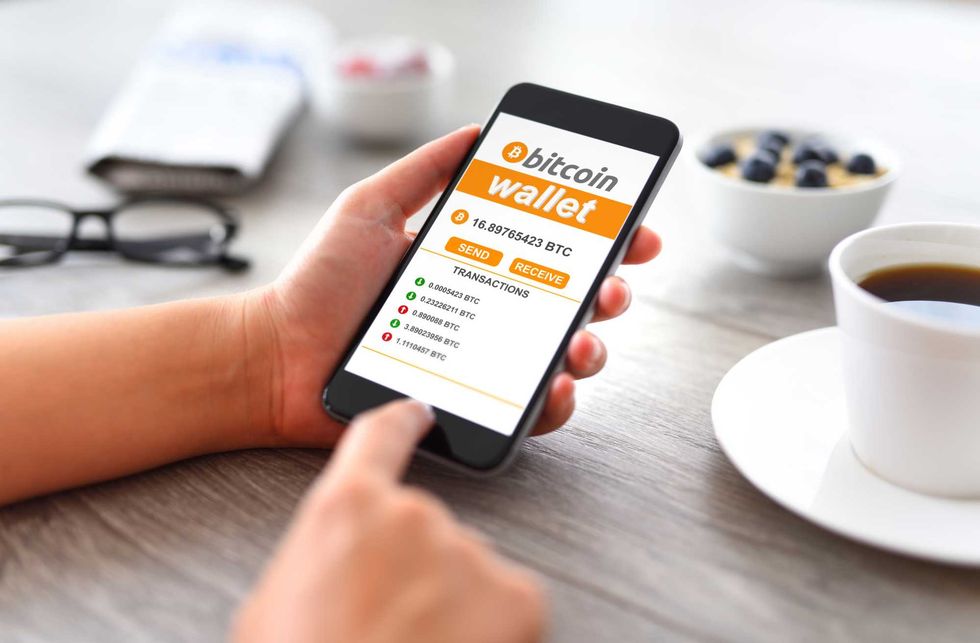 Regulatory and Tax ImplicationsiStock
Bitcoin ETFs operate within established regulatory frameworks, providing investors with familiar legal protections and straightforward tax reporting. You'll receive standard tax forms from your brokerage, making it simple to report capital gains or losses when filing your taxes.
Direct Bitcoin ownership requires more diligent record-keeping. You're responsible for tracking your cost basis, calculating gains and losses, and reporting transactions to tax authorities. The IRS treats cryptocurrency as property, meaning every transaction potentially triggers a taxable event.
Accessibility and Convenience
For traditional investors already comfortable with stock market investing, Bitcoin ETFs require no learning curve. You can buy shares through your existing brokerage account, set up automatic investments, and monitor your holdings alongside your other assets.
Direct ownership demands more technical knowledge but offers greater flexibility. Once you're comfortable with the basics, you can buy Bitcoin 24/7 from anywhere in the world, transfer it instantly across borders, and maintain complete privacy regarding your holdings.
Making Your Decision
The right choice depends on your investment goals, technical comfort level, and personal values. Bitcoin ETFs suit investors who prioritize convenience, regulatory protection, and seamless integration with traditional portfolios. They're ideal if you view Bitcoin purely as an investment asset and prefer professional management.
Direct ownership appeals to those who embrace cryptocurrency's core principles, want maximum control over their assets, and don't mind managing technical responsibilities. This approach offers true ownership and the flexibility to use Bitcoin beyond simple price speculation.
Many investors choose a hybrid strategy, holding some Bitcoin directly while also maintaining ETF positions in tax-advantaged retirement accounts where direct cryptocurrency ownership isn't permitted. This balanced approach provides both the convenience of ETFs and the autonomy of direct ownership.
Ultimately, both strategies provide legitimate exposure to Bitcoin's potential. Your personal circumstances, risk tolerance, and investment philosophy should guide your decision. Whether you choose the regulated simplicity of ETFs or the sovereign control of direct ownership, understanding these differences ensures your Bitcoin investment strategy aligns with your financial objectives.
GearBrain Compatibility Find Engine
A pioneering recommendation platform where you can research,
discover, buy, and learn how to connect and optimize smart devices.
Join our community! Ask and answer questions about smart devices and save yours in My Gear.