The Conversation (0)
Security Home
iStock
The Everyday Choices That Shape Your Home Security
How small daily habits, smart lighting, and simple tech integrations work together to create a safer, more secure home environment.
A well-protected home rarely comes down to one dramatic upgrade or a single piece of technology. Most properties become secure through a collection of small, steady decisions made every day. Many households invest in home security systems expecting the equipment to handle everything, yet the real difference often lies in how people live with those tools.
Doors get checked, lights get switched on, and deliveries get brought inside. None of these actions seems remarkable on its own, though together they create a pattern that makes a home far less inviting to anyone looking for an easy opportunity.
Security begins with behaviour. Hardware helps, certainly, but daily habits do much of the heavy lifting. Locking doors and windows sounds obvious until routine takes over. A quick trip down the street or a few minutes in the backyard can be enough time for someone to notice an open entry point. Many opportunistic intrusions happen exactly that way. Nothing sophisticated, just an unlocked door and a moment of distraction.
Small checks quickly become second nature, garage doors lowered before bed, side gates secured after mowing the lawn, and parcels collected soon after delivery. None of it feels like a grand security strategy. Yet those simple actions close off the kinds of openings that tend to attract trouble in the first place.
 Practical Lighting Choices That Discourage Unwanted Attention GE Lighting
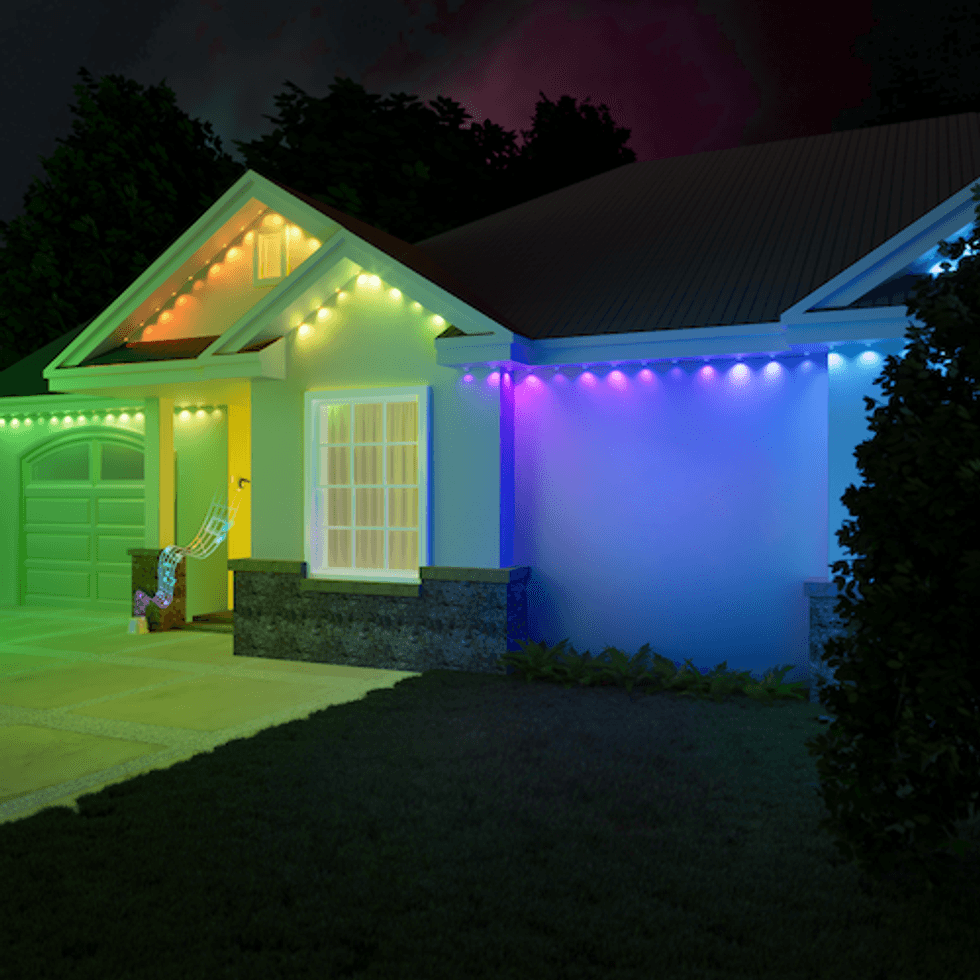
Lighting changes how a property is perceived from the outside. Dark entryways and shadowed driveways invite curiosity, while well-placed illumination makes people think twice.
A front path that stays lit after sunset sends a clear signal that the home is active and maintained. Motion lighting adds another layer of awareness. When someone steps into a driveway, and the lights suddenly flare on, attention shifts instantly. Even harmless visitors notice it.
Placement matters more than brightness. Lighting that highlights doorways, gates, and pathways tends to be more effective than a single powerful floodlight aimed across the yard. The goal is simple visibility. When people can easily be seen, they tend to move along.
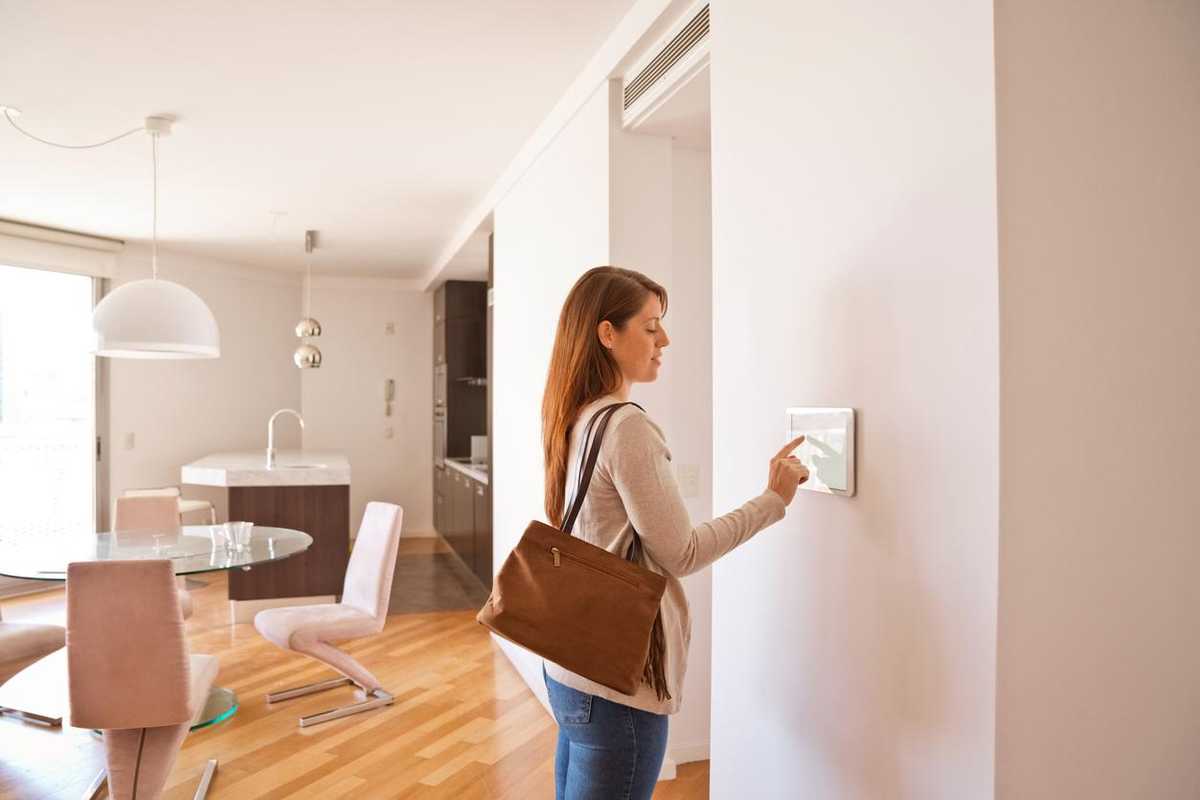
Security technology has come a long way from the basic alarm panels many people grew up with. Today’s systems connect cameras, sensors, and mobile notifications into tools that homeowners can check from anywhere. Still, the technology only works if it fits naturally into daily life.
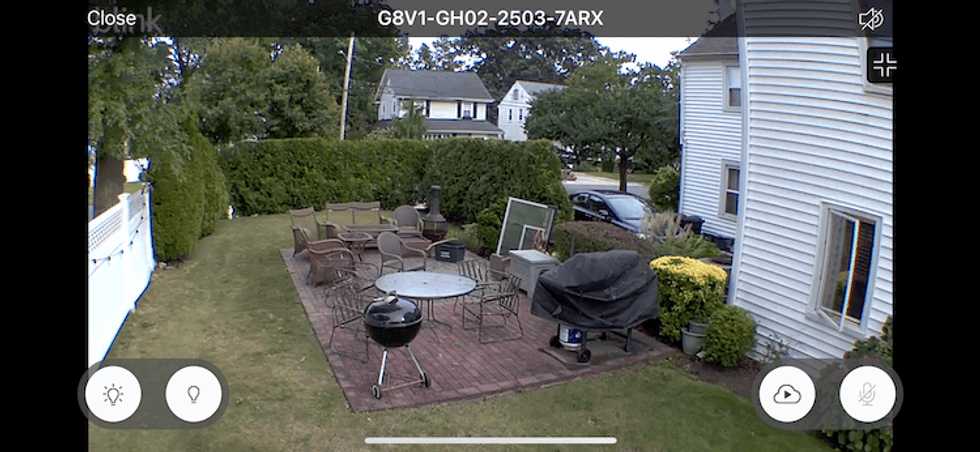
Mobile alerts can notify residents when movement appears near an entrance. A quick glance at a phone confirms whether it was the courier, a neighbour, or something less expected. Remote access also allows doors to be locked or cameras reviewed without being physically present.
The most useful setups are the ones people actually use. If controls feel awkward or complicated, they tend to be ignored. Simplicity often wins.
 Clear Visibility Around Entry Points And Outdoor Spaces GearBrain
Visibility remains one of the most effective deterrents available to homeowners. When a property clearly shows signs of attention and monitoring, it becomes less appealing to anyone searching for an easy target. Cameras in plain sight, tidy entryways, and outdoor lighting all contribute to that impression.
Landscaping sometimes gets overlooked in this conversation. Thick shrubs near windows or fences can create convenient hiding places without anyone intending it. Trimming back vegetation around doors and pathways helps keep activity visible from the street and from inside the home. Good sightlines benefit neighbors as well. When people can see what is happening around nearby houses, unusual activity rarely goes unnoticed for long.
Security extends beyond the walls of any single property. Neighborhood awareness often fills the gaps that technology cannot. Residents who recognize each other’s routines tend to spot unfamiliar patterns quickly. A car parked where it does not belong or a delivery sitting untouched for days stands out more than one might expect.
Even casual conversations between neighbors help. Someone might collect a parcel while the homeowner is away or mention seeing an unfamiliar vehicle circling the block. Digital habits deserve the same level of thought. Public posts about holidays or extended travel can reveal more information than intended. A little restraint online keeps personal schedules from becoming public knowledge.
True household security develops through repetition rather than a single purchase. Locks are checked, lighting is used thoughtfully, and technology becomes part of the routine rather than gathering dust.
Those steady patterns create an environment that feels watched, organized, and cared for. And that alone is often enough to make someone with bad intentions decide to look elsewhere.
GearBrain Compatibility Find Engine
A pioneering recommendation platform where you can research,
discover, buy, and learn how to connect and optimize smart devices.
Join our community! Ask and answer questions about smart devices and save yours in My Gear.