Off-road riding has never been more high-tech. What used to depend only on skill and instinct now includes sensors, satellite tracking, and real-time crash alerts. Riders still control the throttle, but technology is quietly working in the background to reduce risk.
From dirt trails to backcountry quad routes, smart safety systems are changing how riders prepare, respond, and recover.
Smart Helmets With Crash Detection and Alcohol Sensors
 Skullcandy
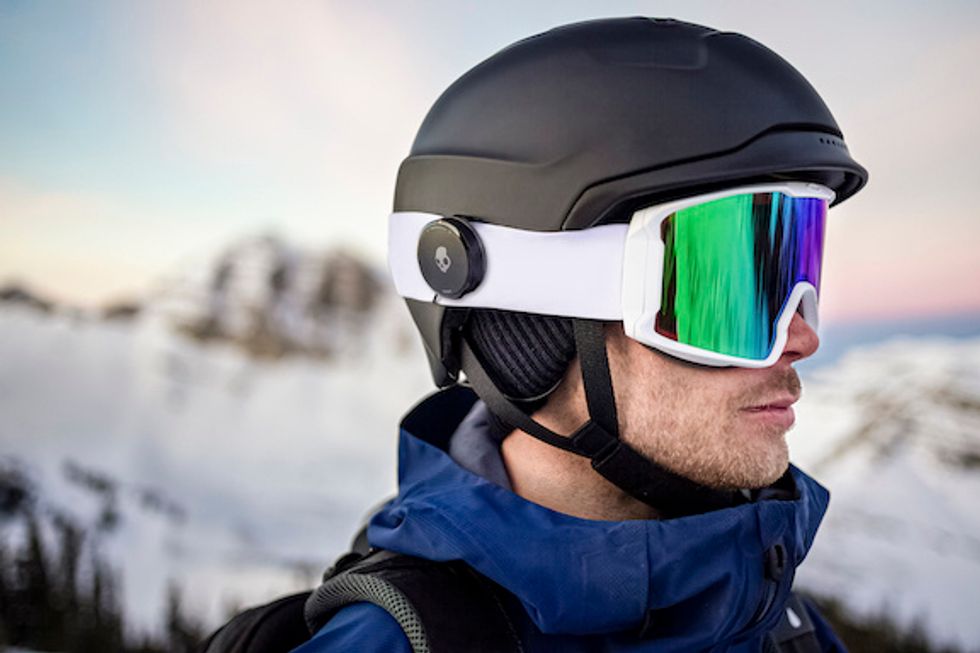
Helmets are evolving from passive protection to active safety devices. Modern smart helmets now include built-in crash detection, alcohol sensors, and automated emergency alerts.
Also, integrated vibration and impact sensors can send emergency alerts after a crash. For riders exploring remote trails, that kind of automated response can reduce the time between injury and assistance.
Crash-detection reliability has improved as well. Some smart helmets have achieved incredibly high crash-detection accuracy. And greater accuracy means fewer false alerts and more confidence that emergency services are contacted only when truly needed.
Smart helmets are becoming proactive safety partners rather than mere protective gear.
GNSS Tracking
Getting lost off-road can quickly turn serious, especially in areas with limited visibility or signal coverage. Smartphone-based GNSS (Global Navigation Satellite System) tracking is helping solve that problem with precise, real-time positioning.
Motion-data analysis can support monitoring systems that improve safety oversight. For riders, that translates into better route tracking and faster recovery if an incident occurs.
Live location sharing also allows family members or riding partners to monitor progress without interfering. Reviewing speed and route data after a ride can highlight risky habits and help riders make smarter decisions next time.
Satellite-backed tracking reduces uncertainty, which is one of the biggest hidden dangers in off-road recreation.
Operator-Protection Devices
 Operator-Protection Devices A group of quad bikes drive in the desert Stock Photo
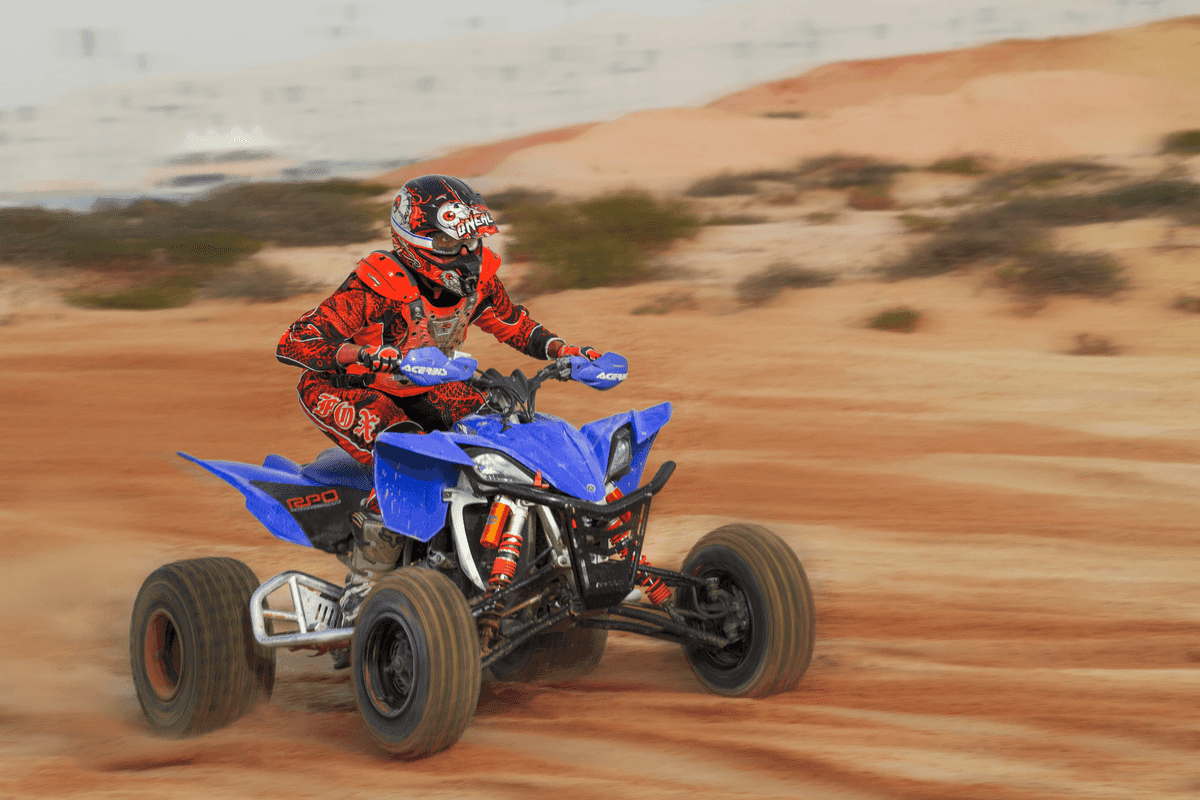
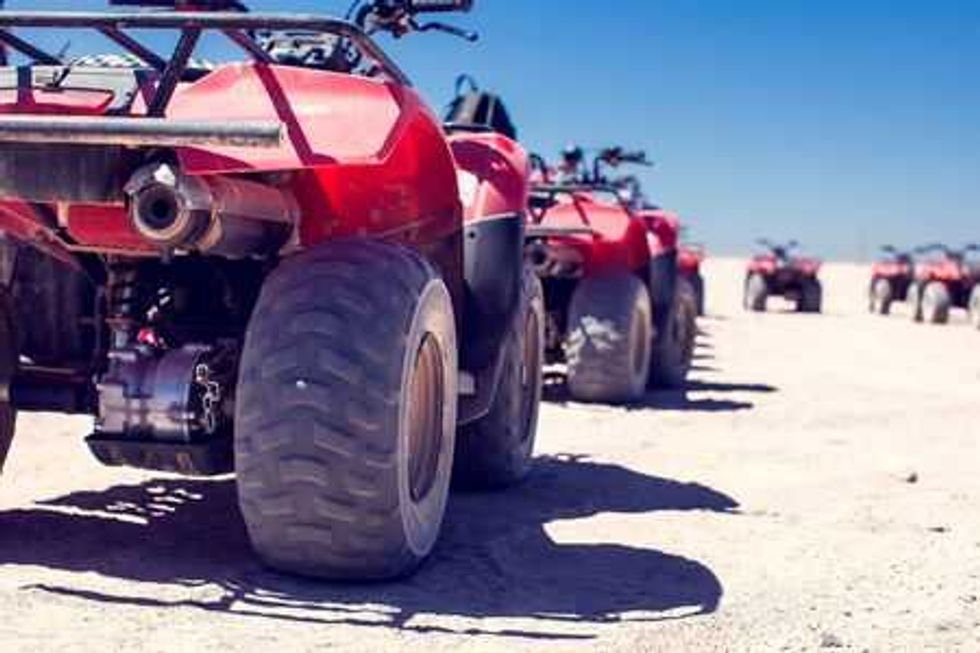
Quad-bikes are especially vulnerable to rollovers on uneven terrain. Operator-protection devices, often called OPDs, are engineered structures designed to create a protective space if a quad-bike tips or flips.
OPDs help prevent crushing injuries during rollover events. Instead of relying only on rider reaction time, the device provides structural protection during a sudden loss of balance.
Protective gear still matters, of course. Riders who understand what to wear for quad riding (such as closed-toe shoes and goggles) reduce injury severity when accidents happen.
Operator-protection devices focus on one clear goal: maintaining survival space during a rollover.
AI-Based Emergency Alert Apps
Artificial intelligence is now embedded in rider-focused apps that monitor motion patterns in real time. These systems detect sudden deceleration, unusual tilt angles, or impact forces that suggest a crash.
Once triggered, many apps automatically send GPS coordinates to emergency services or designated contacts. Automated alerts remove the need for a rider to manually call for help, which is critical if the rider is unconscious or disoriented.
AI-based ride monitoring adds a digital safety net without changing the riding experience itself. Riders remain in control, but backup support activates instantly if something goes wrong.
Electronic Stability Control
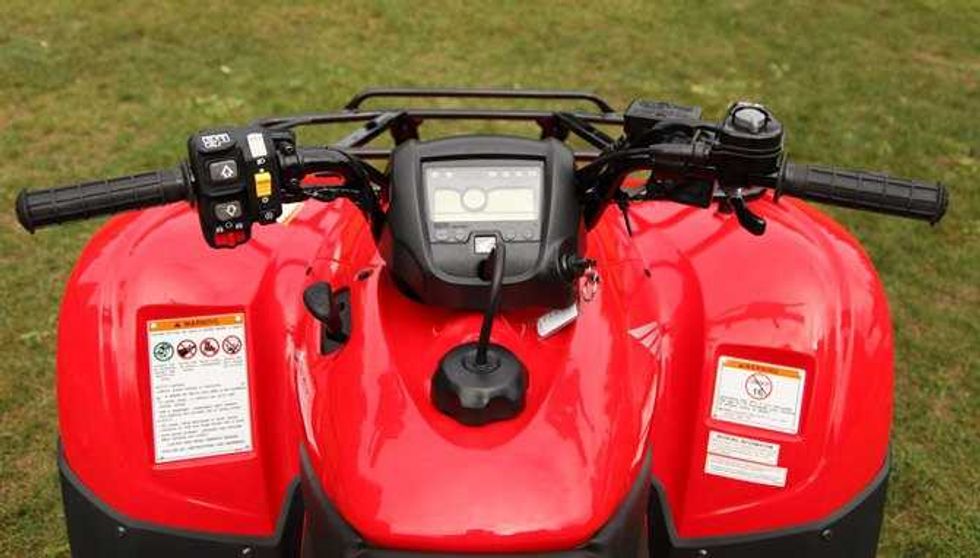
 Electronic Stability Control basic atv riding techniques, ATV Controls
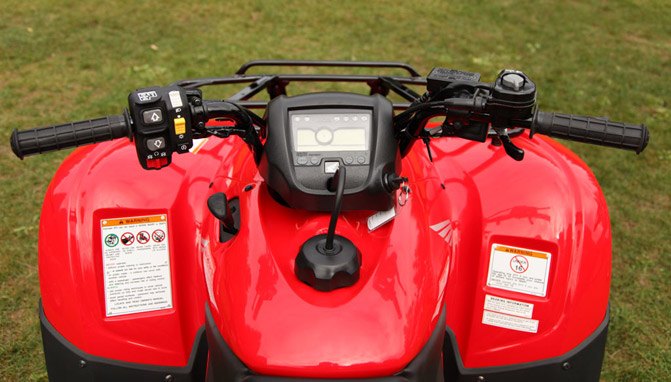
Electronic stability control is an emerging tech. It is increasingly integrated into modern ATVs and side-by-side UTVs, especially models designed for trail riding and utility work.
Those vehicles have a higher center of gravity and are more prone to tipping on uneven terrain, making traction management critical.
Wheel-speed sensors, steering-angle inputs, and onboard computers constantly monitor the vehicle's motion.
If the system detects a slide, sharp oversteer, or sudden weight shift that could lead to a rollover, it automatically reduces engine power or applies braking to individual wheels. Intervention happens in milliseconds, often before the rider even realizes traction is being lost.
For ATV and side-by-side riders navigating mud, sand, rocks, or steep inclines, electronic stability control adds a valuable safety buffer.
The technology does not eliminate the need for proper body positioning and terrain awareness. But it helps prevent small handling mistakes from escalating into serious crashes.
Riding Smarter With Technology on Your Side
All of the above technologies are improving rider safety in off-road recreation. Each tech targets a specific risk, from rollovers to remote-location crashes.
If you are upgrading your setup, focus on tools that match your terrain and riding style. If this article has been helpful, take a moment to explore some of our other informative posts.
From Your Site Articles
Related Articles Around the Web
 Skullcandy
  Operator-Protection Devices
 Electronic Stability Control