The Conversation (0)

Lawn care in a coastal community demands a strong watering system. In Indian Rocks Beach, sandy soil drains fast, salt air works away at anything left outdoors, and the weather swings from weeks of steady rain to long stretches with almost none.
A system that runs the same way every single day of the year will always be either too generous or too stingy, and the grass shows the result in both directions.
Smart irrigation changes that balance. Rather than running on a fixed clock and hoping for the best, a smarter setup pays attention to conditions and adjusts on its own. The lawn gets what it needs when it needs it, and the water bill reflects real use instead of old habits.
Most watering systems are installed, switched on, and then quietly forgotten for years at a time. Cracked lines, tilted heads, and clogged nozzles are exactly the faults that call for repair, and until that repair happens, no schedule or technology can make up the difference.
Skilled repair work brings the whole system back to a reliable baseline, so every head delivers what it was designed to deliver.
Homeowners who want that baseline in place usually start by booking sprinkler repair in Indian Rocks Beach before adding any new technology on top of it.
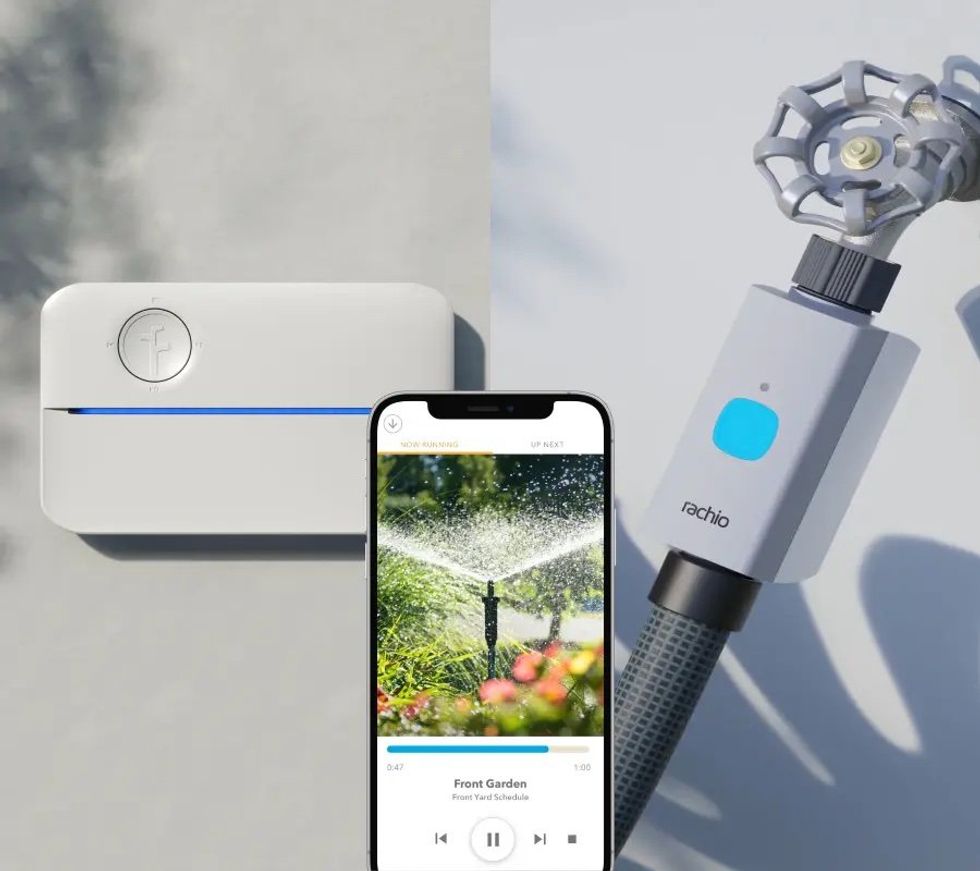 Rachio Smart Sprinkler Controller and Smart Hose Timers work with Apple HomeKit. Rachio
The biggest single improvement in irrigation over the past decade has nothing to do with the hardware buried in the yard. It comes from the control panel on the wall. A modern controller connects to local weather data and adjusts the watering plan as conditions change, skipping a cycle when rain is on the way and adding time when the heat climbs.
That small change removes the most wasteful habit in lawn care: watering on a schedule that ignores what the sky is doing. Anyone who has watched a system run in the middle of a downpour understands the problem.
Weather data tells only half the story. What matters to grass roots is the moisture sitting in the ground, and that depends on soil type, shade, slope, and how recently the lawn was cut. Sandy ground lets water slip past the root zone quickly, while heavier patches hold it for much longer.
Soil moisture sensors close that gap. Placed in the ground, they measure what is actually there and tell the system whether a cycle is needed at all. The lawn stops being watered on faith and starts being watered on evidence.
Over a season, this keeps roots deeper and healthier, because the grass is neither drowned nor left to dry out between long gaps.
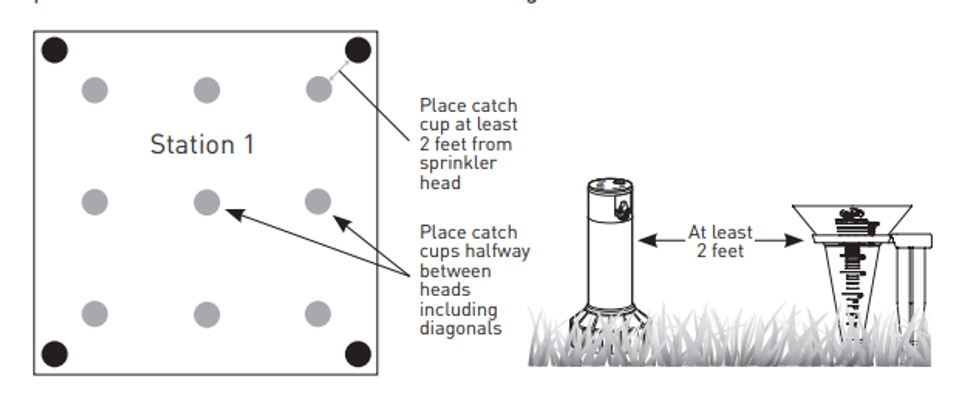 How and where do you place your catch cups in a zone. Orbit
Very few yards are uniform. A strip along a driveway bakes in full sun all afternoon, while a bed under mature trees stays cool and damp for most of the day. Watering both areas for the same length of time guarantees that one of them is treated badly.
Dividing a yard into zones solves this, and smart systems make those zones far easier to manage. Each area can run for its own length, on its own days, and respond to changing weather.
Grass, garden beds, and shaded corners all have different appetites, and a properly zoned plan respects those differences instead of averaging them out. It is one of the least expensive improvements available and one of the most noticeable.
Water restrictions are a normal part of life along the Gulf Coast, and most homeowners want to stay within them without letting their yard turn brown. Smart irrigation makes that far more achievable, because it removes waste rather than removing water the lawn genuinely needs.
Cycle and soak scheduling is a good example. Instead of one long run that sends water streaming down the sidewalk, the system waters in shorter bursts with pauses in between, letting the ground absorb each round before the next one starts.
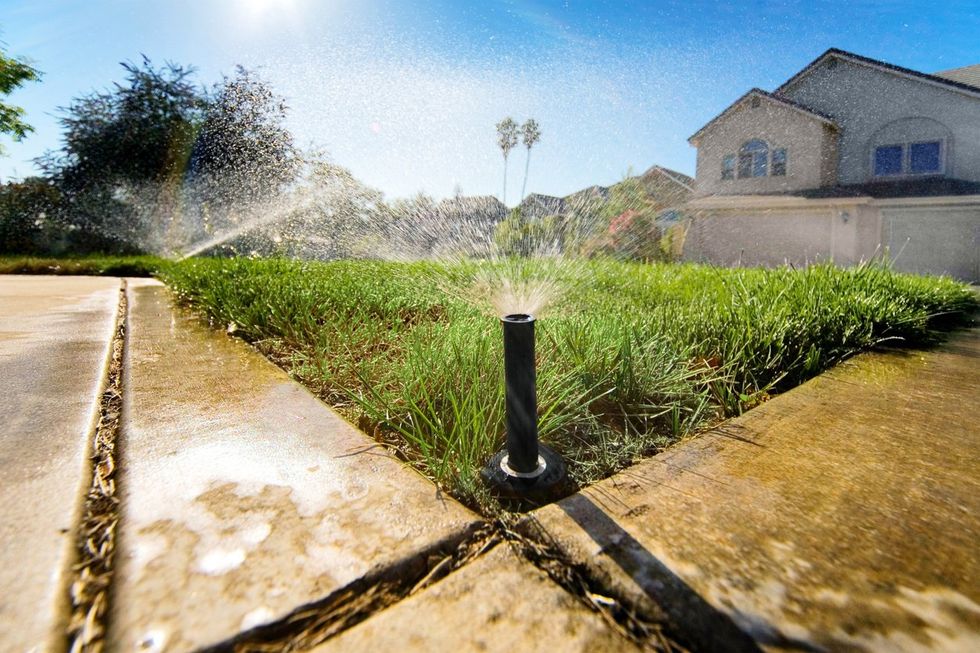 What Smarter Technology Does for a Yard Over Time iStock
The benefits of a well-run system build slowly and then become obvious. Grass that receives steady, measured moisture develops a deeper root system, which makes it far better at handling heat, foot traffic, and dry weeks. Fungus and disease become less common because the lawn doesn't sit wet for long periods.
There is a practical side as well. Equipment that runs only when needed doesn't wear out as quickly, and pumps, valves, and lines last longer under a lighter workload.
Moving to a smarter setup rarely means tearing out what is already in the ground. In most homes, the existing pipes and heads are perfectly serviceable, and the upgrade happens at the controller, with sensors added where they will do the most good. It is a gradual improvement rather than a complete rebuild.
A sensible order helps. Confirm that the existing system is in sound working condition, then look at zoning, then add the technology that automates decisions. Taken in that order, each step builds on a solid foundation instead of masking a problem underneath.
Smart technology reduces the thinking a lawn demands, but it doesn't remove the need for attention entirely. A walk around the yard every few weeks with the system running will show whether coverage still looks even and whether any area has started to struggle. Adjusting settings at the turn of each season keeps the plan in step with what the grass is doing.
Efficiency, in the end, is not about using the smallest possible amount of water. It is about making sure every drop reaches where it is meant to go, at the time it will do the most good. A lawn treated that way stays greener, costs less to maintain, and asks far less of the person looking after it.
GearBrain Compatibility Find Engine
A pioneering recommendation platform where you can research,
discover, buy, and learn how to connect and optimize smart devices.
Join our community! Ask and answer questions about smart devices and save yours in My Gear.