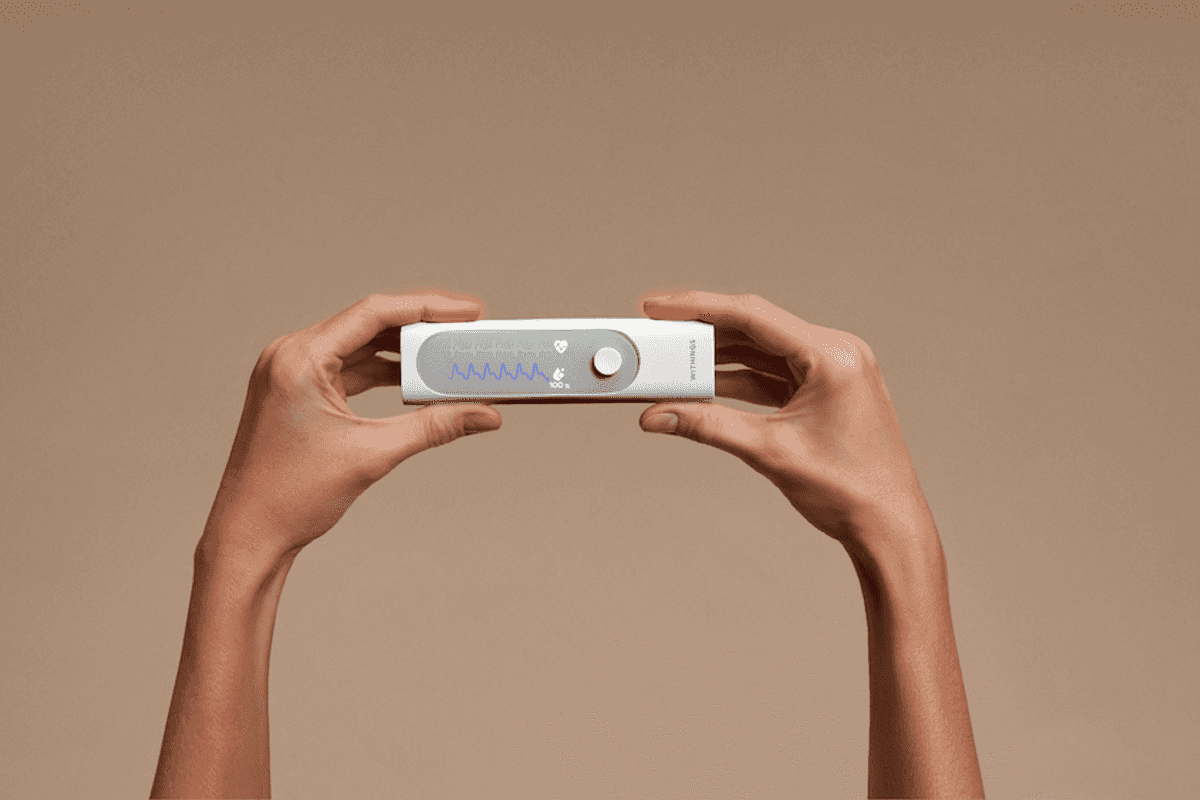
So what will the smart recovery devices be like in 2026? So, what are the prospects for smart recovery devices in at-home wellness in 2026?
At one time, the term recovery meant athletic recovery, physiotherapists, and rehab centers. But by 2026, millions of people will be living the recovery every day. AI, Health Ecosystems, and Smart Wellness Technology have empowered people to manage their muscle recovery, sleep, and stress/pain from the comfort of home.
Intelligent massage devices, smart biometrics for wearables, light-therapy systems, and systems that facilitate health care, from reactive treatment to proactive self-care, are revolutionizing health care.
The Rise of the At-Home Wellness Movement
Wellness technology has evolved over the past decade in step with the development of digital health. With the rise of remote work, technology, and growing health awareness, people have more opportunities to monitor their bodies.
The World Health Organization says digital health solutions enable people to take steps to prevent disease or injury, not when they are sick.
This change was supported by several trends:
- Sedentary lifestyles that strain the body;
- A growing perception of mental health and burnout.
- Fitness culture with a focus on recovery, as well as performance
- Accessible devices that provide consumer health. Wearable solutions to consumer health that are affordable.
Recovery is no longer a choice; it is a way of life!
What Makes a Recovery Device “Smart”?
Although traditional methods like foam rollers or heating pads continue to serve their purpose, modern recovery devices are intelligent, with automation and data-driven insights.
A smart recovery device (SRD) usually contains:
- Muscle activity and/or heart rate sensors
- AI-guided recovery programs
- Mobile app connectivity
- Personalized wellness recommendations
Crucially, the wearable ecosystems pioneered by the likes of Apple and Fitbit made fitness tracking commonplace and equipped consumers to accept devices that proactively respond to their recovery, rather than relying on educated guesses.
Red Light Therapy: From Clinics to Living Rooms
Red light therapy is considered an emerging wellness technology trend. It was once used only in sports medicine and dermatological clinics, but is now available to anyone using it at home.
Red light therapy uses low-wavelength light thought to help cells produce energy, lessen inflammation, and assist in tissue recovery.
When consumers are looking for home recovery systems, they will look at the comparisons that experts create, and one of the great tools to take a look at is the red light therapy mat options provided by Cybernews, which will look at the safety standards, the wavelength accuracy, and the convenience features that the system offers. These systems enable comprehensive body therapy without the need for clinical visits, thus broadening access to advanced levels of therapy.
AI-Powered Muscle Recovery and Pain Management
AI software plays a pivotal role in driving recovery innovation. Users' behavior is used to train modern devices, and adaptive treatments are automatically implemented.
Smart recovery systems are capable of:
- Identify the signs of muscle fatigue.
- Vary the level of massage dynamically
- Recommend rest periods after workouts
- Monitor changes over time
Fitness apparel platforms like Peloton and Therabody emulate connected fitness environments, managing performance data with recuperation examination. This is a big issue in fitness culture - training without recovery.
The Sleep-Recovery Connection
Recovery goes way beyond exercise. Sleep is still the most potent healing process that the body has.
Today's recovery technology combines sleep monitoring through:
- Using HRV to track heart rate variability.
- Temperature regulation
- Movement monitoring
- Respiratory analysis
Studies funded by the National Sleep Foundation highlight the impact of good sleep on muscle recovery, immunity, and cognition.
Sleep optimization now includes smart mattresses, wearable devices, and recovery equipment that work in tandem.
Mental Wellness and Stress Recovery Technology
 Mental Wellness and Stress Recovery Technology iStock
Having a pet can alleviate stress and anxiety in the same way. A pet can help reduce stress and anxiety. Recovery technology is focused more on nervous system regulation in 2026, and more than just physical recovery.
Chronic stress affects health, as does physical stress. Now, in the list of smart wellness devices are:
- Guided breathing programs
- Biofeedback relaxation training
- Meditation integrations
- Heart-rate variability coaching
Research from Harvard Health Publishing has shown that psychological and physical stress need to be treated both to ensure a successful recovery.
Wearables track stress levels in real time, allowing users to break a burnout cycle before it becomes too intense.
Personalization Through Connected Health Ecosystems
One of the most pivotal advances in home health is the ability of devices to communicate as part of a single health system.
Modern ecosystems for recovery hook up:
- Smartwatches
- Fitness applications
- Nutrition platforms
- Telehealth services
- Home wellness equipment
Data Integration is the World's first step towards Intelligent Automation:
- Poor sleep leads to reduced recovery intensity.
- There is a strong training load; therapy should be recommended.
- Calming down with breathing exercises
This strategy addresses wellness more in the context of primary healthcare than in the context of symptom response.
Accessibility and Democratization of Recovery
Previously, recovery therapies demanded high-end athletic resources or other high-cost clinic visits. Smart technology has greatly contributed to access. Smart technology has opened up a whole new world of accessibility.
The advantages of in-home rehabilitation devices are:
- Lower costs in long-term care facilities. Reduced costs for long-term care.
- Flexible self-guided treatment
- Consistent recovery routines
- Remote workers' and busy professionals' access.
What used to be a tool for pro athletes is now accessible to regular users who want to make a few of their well-being routines sustainable.
The Future of Smart Recovery Beyond 2026
 The Future of Smart Recovery Beyond 2026 iStock
Recovery technology is constantly advancing. New advancements to be expected in the near future are:
- AI-powered health coaches that can predict injuries. AI health coaches for injury predictions.
- Smart therapeutic fabrics
- Lighting that adjusts to support a circadian rhythm.
- An ideal home alternative to invasive biometric scanning.
The focus is on prevention, and devices that help with recovery may eventually be as ubiquitous as a phone or Fitbit.
Getting "from" when to "always" is a healthy recovery.
Conclusion
The idea of at-home wellness is changing in 2026 with smart recovery devices. Today, with the integration of AI, sleep science, stress reduction, and cutting-edge treatments like red light technology, people have never had so much control of their health.
The state-of-the-art philosophy for wellness is self-explanatory: If well-being increases, performance increases. Home environments are becoming personalized wellness spaces thanks to intelligent systems that support energy recovery and research-based solutions that enable comparison of the various systems being offered. Intelligent systems for energy recovery and research-proposed solutions, which we have highlighted and that Cybernews has compared, are transforming home environments into personalized wellness spaces.
With ongoing innovation, recovery will not be something people do when they are ‘exhausted'; it will be something they do every day to ensure physical and mental health.
FAQs
What are smart recovery devices?
They are health instruments that utilize sensors, applications, and data collection to help the body recover from exertion, pain, or stress.
Can at-home recovery devices help?
Yes, light therapy, compression, and sleep tracking are some of the methods that many resort to. The results are contingent on regular usage and quality.
What do you think are all the benefits of the red light treatment?
It can help to ease aching muscles, improve flexibility, and speed up recovery after your physical activity.
4. Who can benefit from the recovery technology?
It may be an athlete, a person who works in an office, older age persons or a person who is simply overworked every day.
5. Are such devices a substitute for medical attention?
No. Healthy they are, but not healing alternatives for the doctors or any medicine.
At what frequency should they be used (how often)?
As per instructions, most devices can be used every day or regularly.
8. Will the smart recovery be safe?
Yes, in the case of certified and manufacturer's recommended use.
From Your Site Articles
Related Articles Around the Web


 Mental Wellness and Stress Recovery Technology iStock
 The Future of Smart Recovery Beyond 2026 iStock