Fitness bands, smart watches, connected scales, and home sensors have turned routine health tracking into a daily habit across Indian cities and towns. Insurers are noticing the steady stream of data these devices collect and the behaviour it reflects. As healthcare digitises, the relationship between technology and protection is moving from reactive cover to more proactive support. This shift touches product design, pricing, and service.
This article explains how wearables and health tech may shape underwriting, benefits, claims, and customer experience in India, and what it could mean for parents' health insurance.
Why Wearables Matter to Health Insurance
Modern sensors capture activity, sleep, heart rate trends, and other indicators far more frequently than periodic check-ups. When shared with consent, this information offers a more rounded view of risk and well-being over time. For insurers, the value sits in patterns, not single readings. The emphasis is on privacy, clear permissions, and demonstrable benefit for customers who choose to connect devices, together with safeguards for those who prefer not to share data.
Shifts in Product Design and Benefits
 These smartwatches are great for those with sensitive skin iStock
Health tech encourages a move from one-size-fits-all to more supportive experiences. Across the market, insurers are exploring digital wellness programmes within health insurance plans, integrating coaching, teleconsultation access, and routine health tracking. The aim is gradual, steady engagement rather than short bursts of activity. Incentives tend to focus on building sustainable habits, while clinical decisions remain in the hands of qualified professionals. Product wording, eligibility, and network rules continue to define the core promise of cover.
Dynamic Risk Assessment and Pricing
High-frequency data can inform risk views that are more up-to-date than traditional snapshots. The direction of travel points to models that consider trends over months instead of isolated tests. For family health insurance, aggregated and consented indicators may support guidance on preventive care and lifestyle improvement. Any use of wearable inputs for pricing requires careful governance, strong statistical validation, and fairness checks, particularly for older adults and those with conditions that affect mobility or sleep.
Claims and Servicing Become Smarter
Health tech can smooth service at key moments. Connected records, consented device logs and verified provider data help reduce back-and-forth during pre-authorisation. Triage tools can direct members to the appropriate care setting more quickly. For family health insurance plans, a single view across members may simplify documentation and follow-ups. Automation speeds up processing, while human teams handle complex or sensitive cases. Clear communication and accessible helplines remain essential for trust.
 Create customized workouts in Zepp app GearBrain
Safeguards That Build Trust
Responsible use of wearable data rests on a few non-negotiables. Participation should be optional, with granular controls and the right to disconnect at any time. Data must be minimised, encrypted and retained only as needed. Algorithms require oversight to prevent bias. Consumers comparing the best health insurance in India often weigh network breadth, transparent claims support, and the value of wellness features, which means clarity on how data is used becomes a differentiator.
Implications for Households
Households look for predictable cover, fast help during hospitalisation, and meaningful preventive support. For health insurance for family, technology should complement the policy rather than overshadow it. Simple set-up, language in plain English, and culturally relevant health content improve adoption. Seniors may prefer fewer devices and more human guidance, so flexibility matters. Any digital pathway must also include offline options that work for those with limited connectivity.
What Insurers Consider Behind the Scenes
Insurers evaluate whether device signals are reliable, stable across demographics and linked to relevant outcomes. Medical review, actuarial analysis and data science all play a part. Partnerships with clinicians, device firms and health platforms need careful vetting. Customer education is central, since understanding how and why data is used reduces confusion. Strong internal controls, audit trails and grievance redressal frameworks underpin responsible innovation across the ecosystem.
Practical Checks for Buyers Before Opting In
Here are the practical checks:
- Read consent screens carefully, including what is collected and for how long.
- Look for clear benefits that match personal goals, not just points or badges.
- Confirm that opting out will not affect core policy promises.
- Check whether data sharing can be limited to specific metrics.
- Review device accuracy statements and service centres in India.
- Assess the ease of contacting support through phone, chat and email.
- Keep an eye on how dependants’ information is handled and who can view it.
- Verify the process for deleting data if the device or platform is changed.
Where the Market May Be Heading
As India’s health ecosystem matures, wearable data and digital care tools are likely to inform earlier interventions, simpler service, and more personalised engagement. For households balancing budgets and benefits, the direction is towards covering that stays steady while the surrounding experience becomes more timely and valuable. Robust consent, strong security, and transparent rules will guide adoption. Over time, health insurance plans could feel less episodic and more continuous, with technology supporting healthier living throughout the policy year.
Conclusion
Connected devices are nudging health cover towards more attentive, everyday support. For parents' health insurance, and for households generally, the priority is clear rules, sound consent, and tools that are simple to use. Wearables should complement the policy, not complicate it, while good governance keeps data private and ensures fair decisions. With careful adoption, family health insurance can achieve more consistent prevention, smoother service, and guidance that respects personal choice. The destination is dependable coverage, with technology that helps people stay well.
Related Articles Around the Web
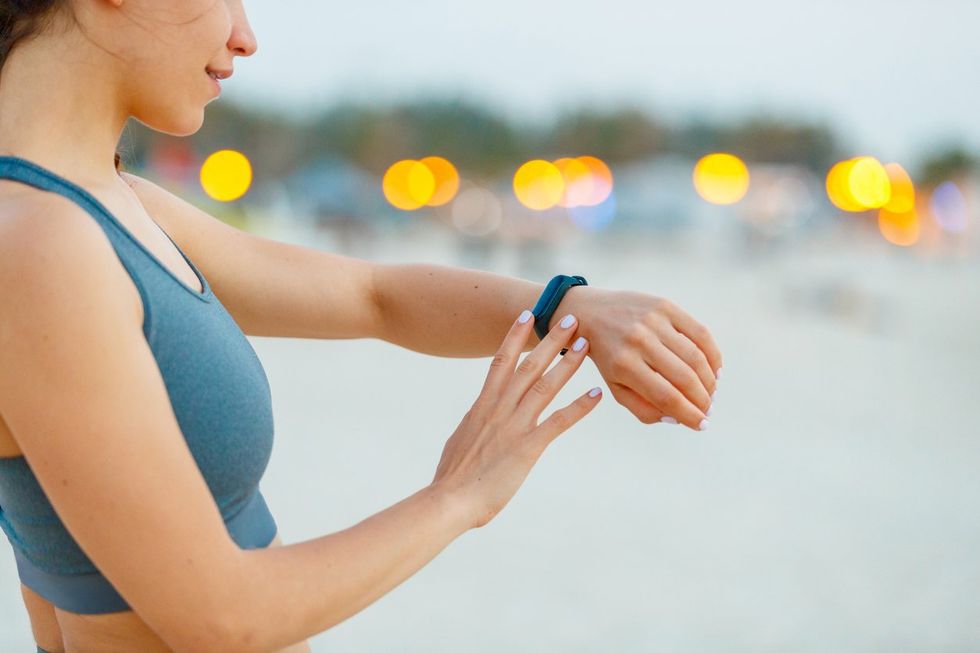 These smartwatches are great for those with sensitive skin iStock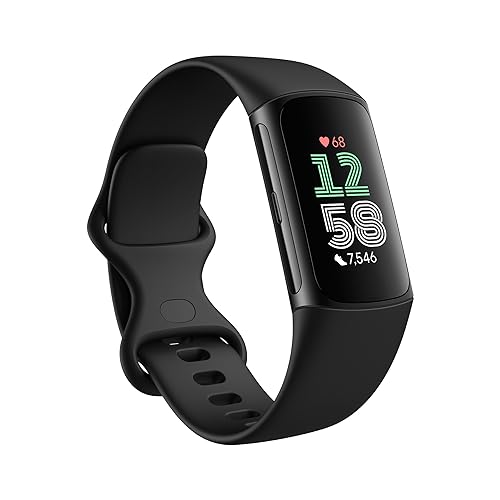
 Create customized workouts in Zepp app GearBrain