If someone asks you which sport is the most tech-forward, horse racing would be further down on the list, right? Well, that’s because the sport is covered up by traditions, and that ties to history, but underneath all of that, it is one of the most tech-oriented sports in the world.
This is especially true when we talk about big horse racing events like the Kentucky Derby or the Breeders’ Cup. Since the Breeders’ Cup World Championship is returning to Keeneland on October 30 and 31, 2026, it would be great to see what tech powers such a big event.
There are plenty of moving parts in horse racing events like the Breeders’ Cup. You have horses, owners, regulators, and bettors, and each of these categories uses different technologies to make it safer, easier to calculate, more entertaining, and less risky.
Let’s find out what technology will power the 14 Grade 1 Breeders’ Cup races with $34 million in purses and awards this year.
Every Horse Is Carrying a Tiny Biomechanics Monitor
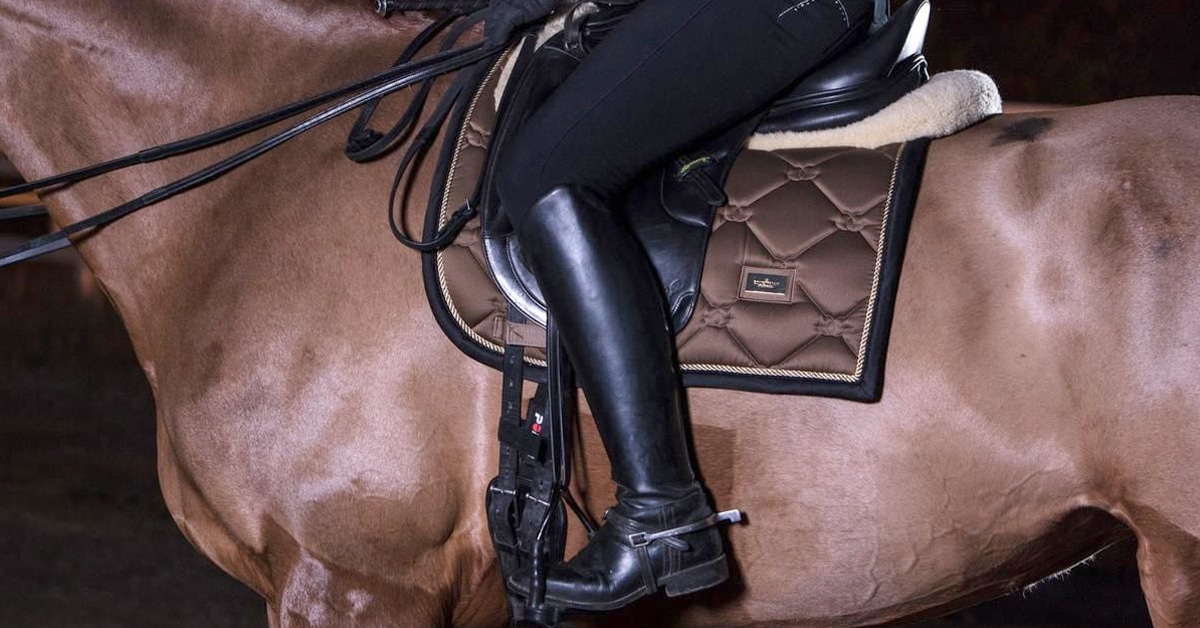
 A horse wearing a heart rate monitor. A horse wearing a heart rate monitor.
This is one of the most fascinating pieces of technology that we will see at Keeneland for the Breeders’ Cup races and also one of the most important technologies for safety.
Keeneland uses StrideSAFE sensors during races. These aren’t some new technologies that we’ve never seen before. In fact, most big races, like the Kentucky Derby at Churchill Downs, also use StrideSAFE.
All horses will be wearing these sensors so stride abnormalities can be detected and flagged for veterinary follow-up.
What are they about? Well, think of them like serious equine fitness trackers. The same one’s humans wear, but they are way smarter, more powerful, and designed for horses.
The sensor measures aspects of the horse's movement as it gallops. StrideSAFE says its system combines GPS and accelerometer data and is designed to identify changes that may indicate musculoskeletal problems. The company's current system analyses huge amounts of movement information collected from racing horses and produces risk assessments that veterinarians can investigate further.
The important point is that it does not diagnose an injury by itself.
It acts as an early-warning system, which is the biggest leap in modern horse racing technology in the past decade. We all know that horse racing often receives a label for being an unethical and cruel sport for horses, but this technology changes that. In fact, we can argue that many other human sports are way more unethical toward athletes and use fewer measures than horse racing.
The main point of these sensors is to keep horses safe and healthy at all times. But of course, trainers, owners, and even bettors can use that data to gain an advantage. Betting websites like TwinSpires can highlight data collected from such sensors in betting predictions and expert analysis before the race even starts.
Keeneland Has Its Own Veterinary Camera Network
Sensors are not the only digital eyes watching the horses.
Keeneland operates a system called VetCam, consisting of 21 high-definition cameras positioned around the racecourse. The cameras have pan, tilt, and zoom capabilities and allow veterinary staff to monitor horses during racing and training from multiple angles.
The system can also record horses across successive training sessions.
That is important because veterinarians are often looking for change rather than something dramatic. A horse may not suddenly appear obviously lame. Its movement might simply look slightly different from the previous week.
The Track Surface Is Producing Data Too
 The Track Surface Is Producing Data Too iStock
The horse is not the only part of a race that needs monitoring.
The surface underneath it matters enormously.
Keeneland's 2026 media guide says its team takes 93 moisture readings across the dirt and turf courses on each race day to assess surface consistency.
Moisture affects how a racing surface behaves. Too much or too little water can change firmness, traction, and how deeply a hoof penetrates the surface. Track crews therefore combine physical maintenance with measurement rather than simply looking outside and announcing that the dirt appears "fairly dirt-like."
This is part of a much broader transformation in racetrack management.
Modern racing surfaces are increasingly treated like athletic playing fields. Data on moisture, weather, and surface condition is collected alongside physical inspection so maintenance teams can make better-informed decisions.
When Something Looks Wrong, the Machines Get Much Bigger
A tiny saddlecloth sensor may provide the warning.
The next step can involve equipment weighing several tons.
Keeneland highlights access to advanced PET and MRI imaging through major equine veterinary hospitals in the Lexington area, including Rood & Riddle Equine Hospital and Hagyard Equine Medical Institute.
MRI is already familiar from human medicine. It creates detailed images of soft tissue and other anatomical structures without using ionizing radiation.
PET, or positron emission tomography, is particularly interesting in equine medicine because it can reveal changes in bone activity associated with stress and injury. This can help veterinarians investigate problems that aren't always obvious on a normal physical examination.
Your Phone Is Now Part of the Racecourse Infrastructure
The connected technology extends to humans too.
The 2026 Breeders' Cup is using mobile-only ticketing through SeatGeek. Fans need a SeatGeek account to purchase tickets, and the digital barcode required for admission will be released closer to the championships. Breeders' Cup is continuing a multi-year partnership with the platform specifically to handle its ticketing technology.
So, your phone is now effectively your admission ticket.
The Most Important Technology Still Has Humans Attached to It
All these devices could make it seem like Keeneland is gradually turning the Breeders' Cup into a giant veterinary control room with horses somewhere in the middle.
It is not. The technology sits underneath a much larger program of human observation.
Keeneland says each competing horse receives at least 10 separate interactions with Keeneland, private or regulatory veterinarians, before racing. Its seven-day entry requirement gives the Equine Safety team additional time to review each runner's records, history, and potential risk factors.
So, who’s excited for this year’s Breeders’ Cup? Every year, we see a new tech addition to the event designed to make it safer, more entertaining, and more accessible, and the 2026 edition won’t disappoint.
From Your Site Articles
Related Articles Around the Web
 A horse wearing a heart rate monitor.
 The Track Surface Is Producing Data Too