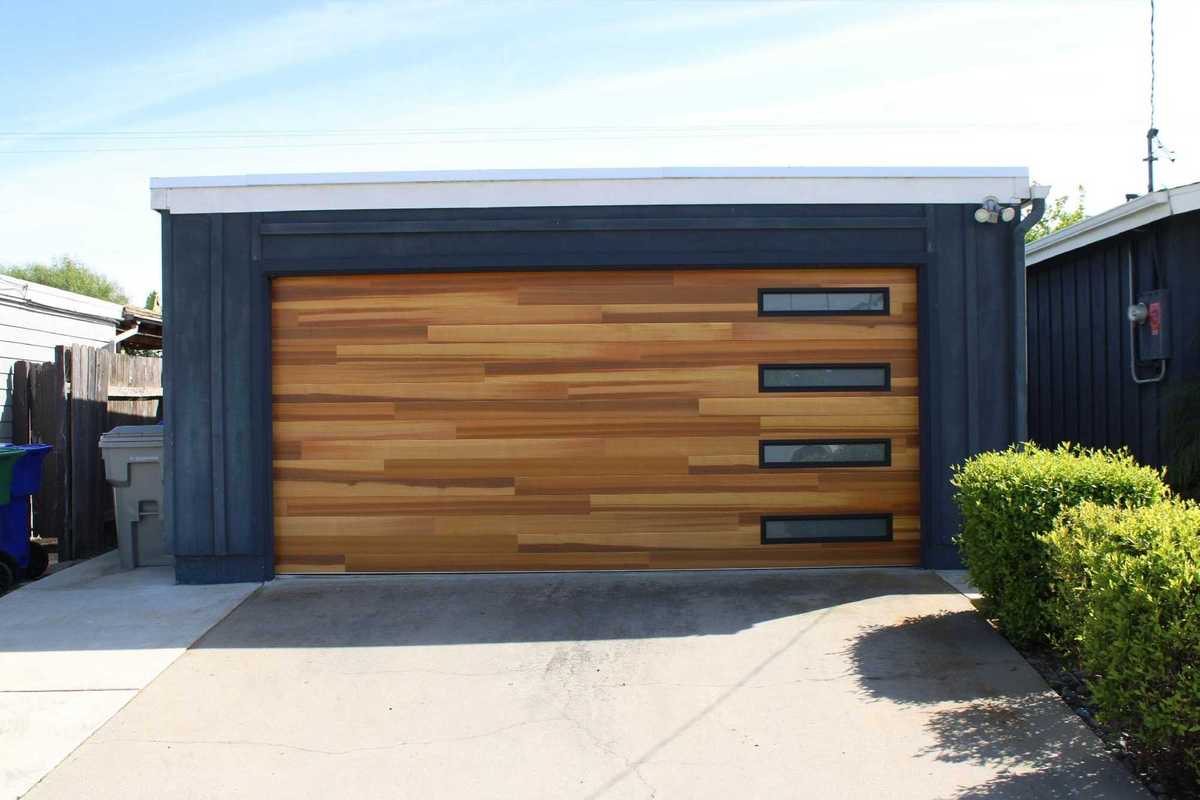
A garage upgrade is one of those jobs that looks straightforward until you start working out what the space is actually meant to do for you. For some households, it is about reclaiming room to park the car under cover again after years of overflow storage taking over. For others it is about turning an underused garage into a proper home workshop for maintenance, repairs and weekend projects. Either way, working through the practical decisions before you buy anything saves you from ending up with a space that still does not quite function the way you need it to.
Start With Layout and Storage
Before any shelving, workbenches, or cabinets arrive, spend some time walking the garage and thinking about how you move through it day to day. Where does the car need to sit, and how much clearance does it need from walls, shelving, and the door mechanism when it swings or rolls up? Where do bikes, bins, seasonal decorations, and sports gear currently live, and could they move onto wall-mounted racks or overhead storage platforms to free up floor space? A garage that holds both a vehicle and a workshop usually needs clearly defined zones: one area for parking, another for tools and benchwork, and a walkway that stays clear no matter what else is going on. Pegboard panels and labeled bins for small hardware make a noticeable difference, since loose fixings often turn a tidy garage back into a cluttered one within a few months.
Think About the Workbench and Workspace You Actually Need
 Think About the Workbench and Workspace You Actually Need Photo by Point3D Commercial Imaging Ltd. on Unsplash
Not every garage needs the same kind of workbench. Someone doing light DIY and occasional repairs might be fine with a compact folding bench, while a household doing regular car maintenance or woodworking benefits from a solid, fixed bench at the right working height, with a vice mounted securely and power sockets within easy reach. If you'll be on your feet, or seated, for long stretches, comfort matters too. A proper mechanic seat or stool designed for extended use in a garage setting makes a genuine difference to how sustainable the work feels, especially compared with perching on an upturned bucket or a low stool that was never meant for the job.
Plan for Lifting and Vehicle Support Equipment
If the garage doubles as a space for car or motorcycle maintenance, lifting and support equipment deserves its own line in the plan, not an afterthought. An engine crane sized to the vehicles you actually work on, a ratchet jack for smoother, less strenuous lifting and pulling, and a car creeper for getting underneath safely are all worth factoring in from the start, along with somewhere secure to store them when not in use. A well-organized tool chest and an engine stand also earn their keep once you move beyond occasional fixes into more involved jobs.
Choosing the right garage equipment turns a cluttered space into somewhere you can actually get work done safely, instead of something you put off because finding the right tool takes longer than the job itself. Getting advice from a knowledgeable supplier on sizing and load capacity before buying lifting gear, and checking what returns policy applies if something isn't right, makes the process much less stressful.
Sort Lighting and Power Before You Fit Anything Else
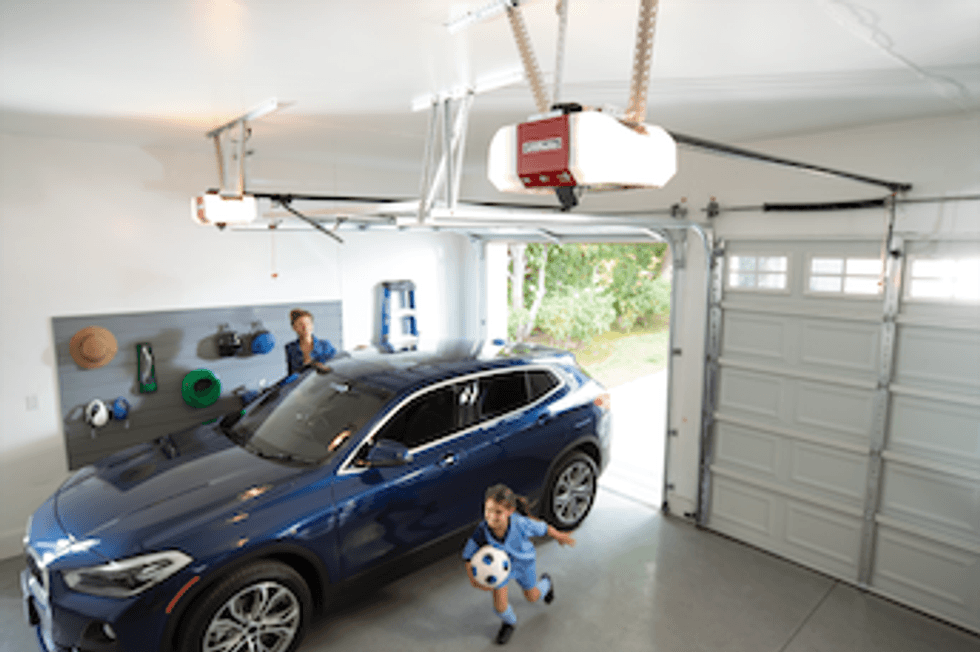
 Sort Lighting and Power Before You Fit Anything Else LiftMaster
Garages are notoriously under-lit and under-wired for the amount of equipment people actually run in them. Bright, even lighting across the whole space, with additional task lighting focused on the bench and any area where you do detailed work, makes a bigger practical difference than almost any other single upgrade. On the power side, think ahead about how many circuits you will need and where sockets should sit relative to the bench, compressor, and any stationary tools. An air compressor in particular benefits from its own dedicated socket, positioned so the hose can reach the areas you actually work in without trailing across a walkway. Getting an electrician to check the circuit and RCD protection before you commit to a layout is far cheaper than rewiring after the fact.
Factor in Smart Upgrades Alongside the Physical Ones
Once you've sorted the physical layout, storage, and equipment, smart home technology is the next thing to consider. A connected garage door opener lets you check the door's status remotely, close it if you forgot, and receive alerts if it opens unexpectedly, which matters if the garage holds tools, a vehicle, or anything else worth securing. Motion-activated lighting and smart plugs for equipment like compressors or battery chargers add convenience without much extra cost or complexity.
Anyone weighing up which smart door opener suits a garage workshop setup should read this alongside a closer look at the Chamberlain MyQ smart garage door opener, which covers how remote access and monitoring work in practice.
Treat a garage upgrade as a series of smaller decisions about layout, equipment, power, and convenience, made in the right order, and the finished space will keep earning its keep for years without needing a second overhaul.
From Your Site Articles
Related Articles Around the Web
 Think About the Workbench and Workspace You Actually Need Photo by

 Sort Lighting and Power Before You Fit Anything Else LiftMaster