
The Conversation (0)

Google
Why Smart Home Upgrades in 2026 Come Down to Platform Neutrality, Not Just New Gadgets
Why platform neutrality—not just new gadgets—is the key to building a flexible, future-ready smart home in 2026.
You can buy the smartest thermostat on the market, install cutting-edge lighting, and automate half your home. Still, if your devices don’t speak the same language, your smart home quickly turns into a frustrating juggling act of apps, hubs, and workarounds.
That’s the paradox of 2026. Smart home tech is more advanced than ever, yet platform compatibility is still the biggest bottleneck. While shiny new gadgets grab attention, the real upgrade strategy comes down to platform neutrality.
Smart homes are supposed to simplify life. In fact, 63 million households adopted this technology in 2023. However, many users deal with fragmented ecosystems where devices only partially integrate or don’t integrate at all. There is no standardization regarding protocols for interoperating with other devices.
Competing platforms have historically not communicated well with each other, forcing consumers to choose sides or juggle multiple systems at once. This fragmentation has been one of the biggest barriers to seamless smart home experiences.
If you’ve been following smart home trends, you’ve likely heard of Matter. It’s the industry’s most ambitious attempt to fix compatibility once and for all. It is backed by major players, including Apple, Google, and Amazon.
Matter is an open-source smart home standard that enables devices from different brands and ecosystems to communicate seamlessly. It creates a shared “language” for devices that provides:
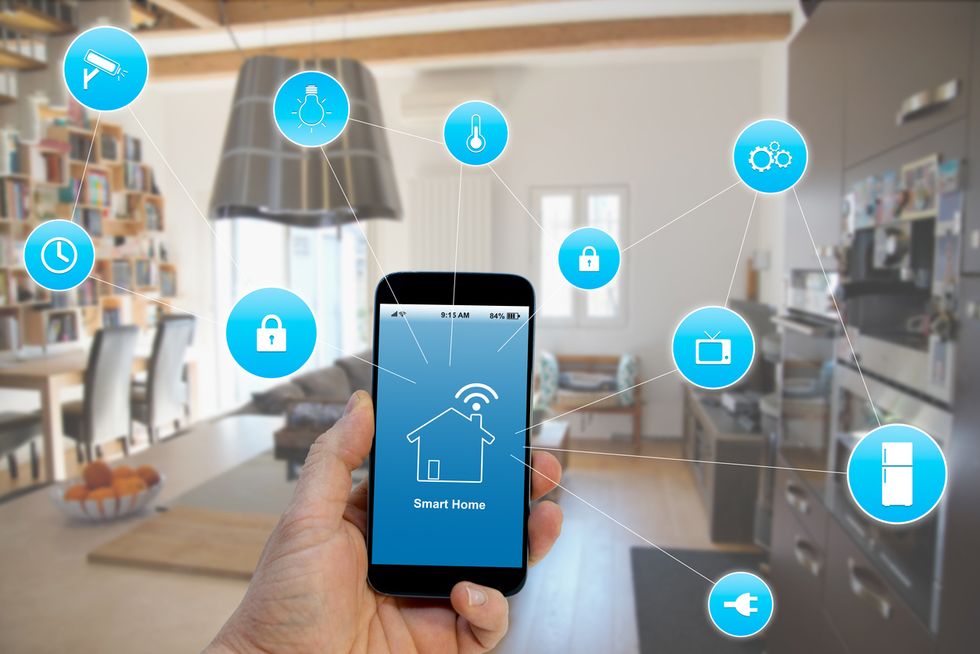 Budget smart home products are even more affordable in 2026 iStock
Your next future-proof device might still disappoint, because despite its potential, Matter isn’t the final solution. Smart home enthusiasts are quickly learning that Matter compatibility doesn’t always mean full interoperability.
Many devices advertise Matter support, multiplatform compatibility, and long-term software updates. However, there are still some barriers to full compatibility with smart home platforms.
A device might support Matter but only provide basic controls across platforms. You can turn a device on or off universally, but advanced features like customization, energy monitoring or adaptive lighting may still be locked to a device’s native app. That creates a new kind of fragmentation, not between devices, but between feature sets.
While hundreds of companies support Matter, not all are moving at the same speed. Some brands are rolling out frequent updates and expanding compatibility. Others are slower to adopt new features or update legacy products. This inconsistency means your experience can vary significantly depending on the brands you choose.
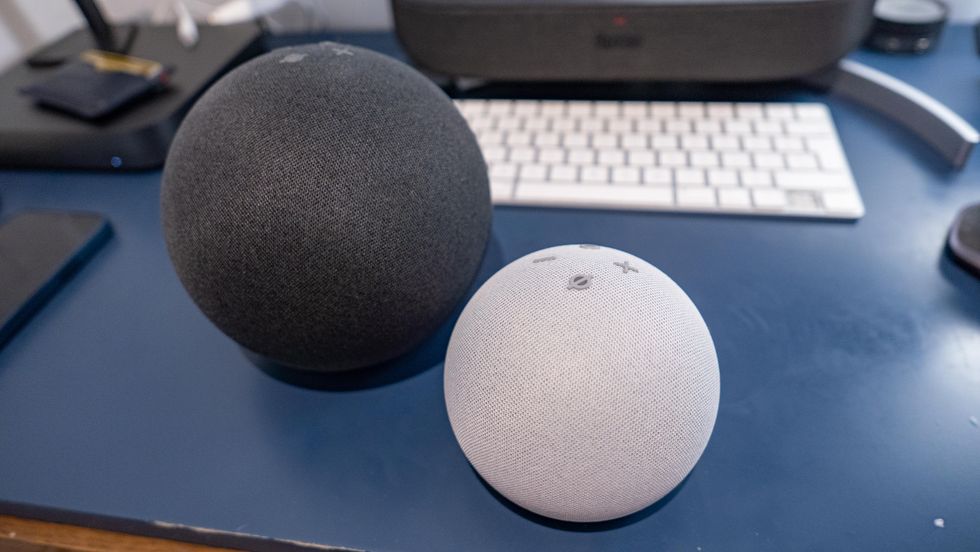 Importance of Platform Neutrality GearBrain
With two-thirds of consumers saying they want a connected home, platform neutrality is needed now more than ever. You need smart devices that can be used efficiently across ecosystems. You might switch from Alexa to Google Assistant, or add Apple devices to your home. If your technology isn’t platform-neutral, every change introduces friction and negative user experiences.
Choosing devices based solely on features or brand loyalty can lead to long-term issues, such as higher replacement costs when switching ecosystems and lost functionality when integrations break or change. You might also experience app overload from managing multiple ecosystems and security risks if unsupported devices stop receiving updates.
Take a thoughtful approach and invest in systems that can grow with you. Interoperability is a decisive factor, especially as households combine products across brands and categories. Don’t just buy what’s new and shiny, but build a cohesive system instead.
Look for the Matter logo to ensure basic compatibility with other platforms. Matter support is a strong starting point, but it shouldn’t be your only criterion. Always check which platforms are supported and whether features are consistent across ecosystems.
Choose devices that run locally rather than through the cloud. This ensures that lights and automations turn on instantly and continue to function if your internet connection goes down.
Choosing local control would also boost response times. Cloud-based AI solutions can struggle with latency issues. A voice assistant that takes 2 seconds to respond can feel sluggish and would break the idea of seamlessness.
A platform-neutral device is more than just hardware — it’s also about ongoing support. Before buying, you should research the device’s firmware update frequency, the manufacturer's track record, and community engagement.
Focus on the big picture and think about your smart home platform compatibility. Don’t just randomly buy the newest devices without thought or reason. When asking questions about a product, be sure to find out if it fits into your overall ecosystem. Additionally, you should determine whether it will still work if you change platforms and whether it will enhance or complicate your setup.
Having separate apps and disconnected experiences for lighting, shading, climate, security, audio, and energy is such a major hassle. Your smart home should be a cohesive system that works together effortlessly. While Matter is a major step forward, it doesn’t eliminate the need for careful and informed buying decisions.
Platform neutrality is the real differentiator. It’s what allows your smart home to grow, adapt and stay relevant as technology evolves. As you plan your next upgrade, remember that it’s not just about what your devices can do today, but how well they’ll work together tomorrow.
If Mom’s into smart home gear, use GearBrain's Compatibility Checker to help her find devices that work with Google Assistant, Alexa, Apple HomeKit, SmartThings, and more. It’s a great way to make sure any tech gift works seamlessly with what she already owns. You can even find connected devices that work with Google Assistant, and Amazon Alexa enabled devices if your Mom has one of them in her home.
GearBrain Compatibility Find Engine
A pioneering recommendation platform where you can research,
discover, buy, and learn how to connect and optimize smart devices.
Join our community! Ask and answer questions about smart devices and save yours in My Gear.