We live in a world where even our refrigerators can talk to us, watches track our every heartbeat, and cars can navigate themselves. Connected technology is no longer science fiction—it’s part of our daily lives. Yet, most people focus on the flashy sensors, apps, or artificial intelligence behind these devices, often overlooking what really keeps them running smoothly.
Behind the screens and signals lies an invisible hero: the wire harness. These unassuming bundles of wires are critical for transmitting power and information, forming the backbone of connected devices and smart vehicles alike. Without them, your smart home, wearable devices, and even autonomous cars would be nothing more than lifeless gadgets.
While many talk about software and chips, custom wire harness manufacturers quietly ensure that these devices are reliable, safe, and capable of performing complex tasks. Their work may not be glamorous, but it is essential in our connected world.
What Are Wire Harnesses?
Before diving into their role, it’s essential to understand what a wire harness actually is. Simply put, a wire harness is a bundle of wires, connectors, and terminals designed to transmit electrical and signal currents between different parts of a device or vehicle. Think of it as the nervous system of electronics, carrying vital messages and energy to where they are needed.
Wire harnesses are designed to be compact, organized, and durable. In an IoT device, they need to fit into tiny spaces without tangling. In a car, they have to withstand vibrations, heat, and moisture. Essentially, they ensure that every component communicates efficiently, regardless of system complexity.
Wire Harnesses in Everyday IoT Devices
Even the smallest connected devices rely heavily on wire harnesses to function. These devices might seem simple on the outside, but internally, they are networks of electronics working together seamlessly.
Some everyday examples include:
- Smart Thermostats – The wire harness connects temperature sensors, Wi-Fi modules, and control circuits. Without it, the device could not adjust your home temperature or communicate with your smartphone.
- Wearable Health Monitors – Tiny wire harnesses transmit data from heart rate sensors, accelerometers, and microchips. This ensures real-time tracking of your health metrics without glitches.
- Connected Speakers – Harnesses link audio chips, amplifiers, and Bluetooth modules, enabling smooth playback and wireless communication.
In each of these cases, the wire harness allows signals to move safely and efficiently. They ensure the device remains compact, lightweight, and reliable, which is essential for gadgets we use every day. Even minor design flaws in these harnesses could lead to device failure, demonstrating just how crucial they are behind the scenes.
Wire Harnesses in Smart Cars
 Wire Harnesses in Smart CarsImage by mmurphy on Pixabay
While IoT devices are impressive, modern vehicles take connectivity to a whole new level. Today’s cars are packed with sensors, computers, and safety systems that all need to communicate flawlessly. Wire harnesses act as the lifelines connecting these components.
Smart cars rely on complex wiring systems for a variety of tasks:
- Engine Management – Harnesses connect sensors and control units that monitor fuel efficiency, emissions, and engine performance. These connections ensure the car runs smoothly and meets environmental standards.
- Infotainment Systems – From touchscreens to sound systems, wire harnesses carry signals between audio components, navigation systems, and user controls. This integration creates a seamless experience for passengers.
- Safety Features – Advanced safety systems like anti-lock brakes, airbags, and lane-assist sensors all depend on reliable wiring. A failure in the harness could compromise the vehicle’s safety.
- Autonomous Driving Sensors – LiDAR, radar, and camera systems in self-driving cars need high-speed data transmission. Wire harnesses are essential to maintain real-time communication between these sensors and the vehicle’s control units.
Modern cars often contain thousands of wires organized into hundreds of harnesses. As electric vehicles (EVs) and autonomous vehicles become more prevalent, these harnesses must carry higher voltages, be more durable, and handle increasingly complex communication requirements. This makes their design and manufacturing more critical than ever.
Challenges and Innovations in Wire Harness Manufacturing
Creating wire harnesses is not as simple as bundling wires together. Manufacturers face multiple challenges that require innovation and precision.
Some of the main challenges include:
- Miniaturization – Devices are getting smaller, which means harnesses must fit into tighter spaces. Engineers need to design harnesses that are both compact and functional, without compromising safety.
- Heat and Vibration Management – Wire harnesses in cars and some industrial devices must withstand heat, vibration, and wear over time. Using durable materials and smart design helps prevent failures.
- Weight Reduction – Especially in EVs, reducing wiring weight improves efficiency. Lightweight materials and modular designs are now commonly used.
- Cost Efficiency – Balancing performance with cost is always a challenge. Manufacturers need to optimize production while maintaining quality.
Innovation plays a major role in overcoming these challenges:
- AI-Driven Design – Some manufacturers use artificial intelligence to design harnesses that optimize space, reduce material use, and enhance performance.
- Modular Harnesses – Modular designs allow easier assembly and maintenance while ensuring reliability.
- Lightweight and Durable Materials – Advances in materials science have led to harnesses that are stronger, lighter, and more heat-resistant.
- Automated Production – Automation improves accuracy, reduces errors, and speeds up production, allowing manufacturers to meet the high demands of connected tech.
These innovations not only improve the reliability of IoT devices and cars but also make next-generation connected technologies more accessible and efficient.
The Unsung Heroes Behind Every Connected Device and Smart Car
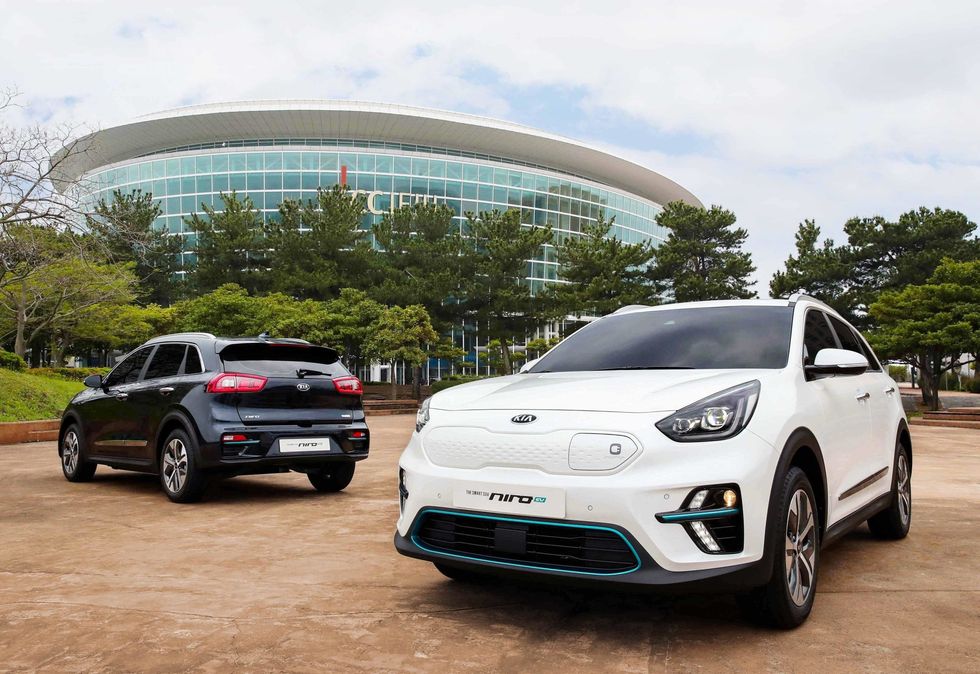
 The Niro EV has a range of 239 miles Kia
When we admire the latest smart gadgets or autonomous cars, it’s easy to focus on the software, AI, or sleek designs. But without wire harnesses, none of these innovations would work as intended. They form the physical backbone that allows sensors, processors, and modules to communicate safely and efficiently.
From small IoT devices to full-sized vehicles, wire harnesses ensure reliability, performance, and safety. Every signal that moves inside a smart home device or a self-driving car relies on these hidden components.
The next time your smartwatch tracks your heart rate or your car stops automatically at a red light, remember the invisible network of wires making it possible. Wire harnesses may not grab headlines, but they are the unsung heroes keeping our connected world alive and functioning. Their role is subtle, yet without them, modern technology as we know it wouldn’t exist.
From Your Site Articles
Related Articles Around the Web

 Wire Harnesses in Smart CarsImage by
 The Niro EV has a range of 239 miles Kia