The Conversation (0)
Networking
Comcast
How Fiber Internet Providers Deliver Faster Online Experiences
Why fiber-optic networks deliver faster speeds, lower latency, and more reliable connections for modern homes and businesses.
The internet today is a staple of everyday life, and so is the need for reliable internet. In our new normal, there is hardly any time for lag. Fiber internet providers deliver fast, dependable solutions that make daily online activities smoother and more efficient. These advancements have transformed the way people work, learn, and connect, helping everything run smoothly and efficiently.
Traditional connections rely on copper wires, which carry data as electrical signals. These systems are slow and can be easily disrupted. On the other hand, fiber internet, as the name suggests, utilizes strands of glass or plastic to transmit data through pulses of light. Compared to older technologies, light travels faster and experiences far fewer disruptions. For residents and businesses in Texas looking for a reliable solution, choosing a Texas Fiber internet provider ensures you get the benefits of these high-speed, stable connections. With fiber networks, users can enjoy faster downloads, smoother streaming, and minimal interruptions even during peak usage times.
This is a major upgrade over older systems, as fiber providers offer more reliable upload and download speeds. With upload speeds often matching download speeds, activities such as video calls, cloud backups, and file sharing feel much faster. High-definition streaming becomes seamless, with minimal buffering or interruptions. Performance remains consistent even during peak hours, making fiber ideal for families and remote workers.
 Greater Bandwidth for Multiple Users AT&T
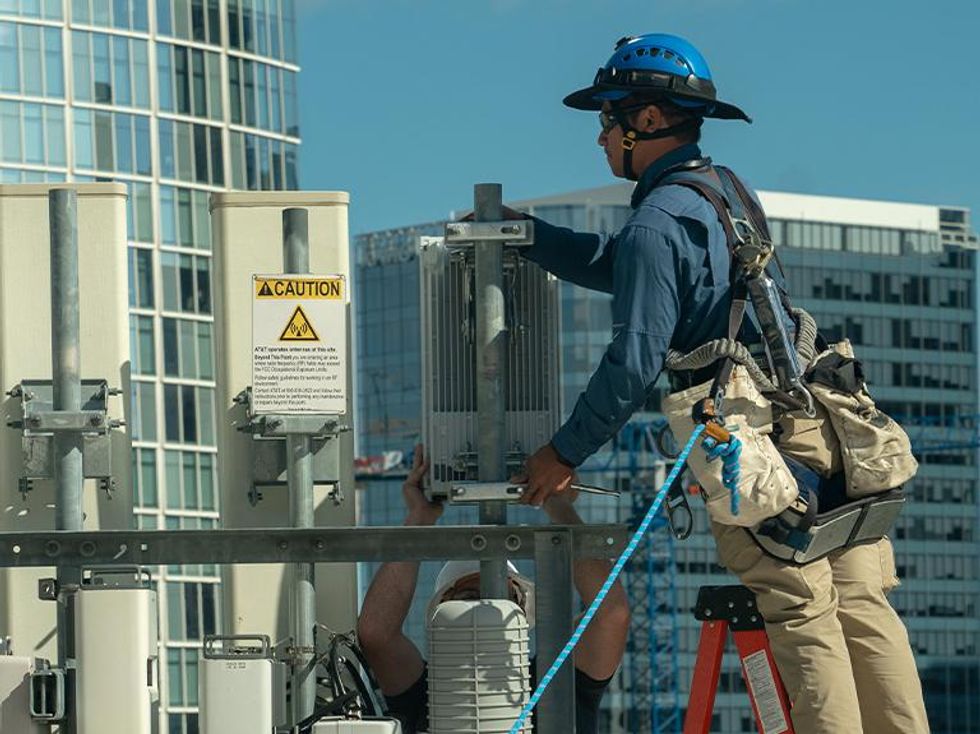
In modern households, multiple devices are often connected to the internet simultaneously. With higher-capacity fiber networks, everyone can access high-speed, stable service. With high-capacity fiber networks, everyone can enjoy fast and stable service simultaneously. Users can game, stream, and attend video meetings simultaneously without noticeable slowdowns. These networks are designed to handle heavy traffic and easily support smart devices, laptops, tablets, and smartphones.
Latency is the time it takes for data to travel from point A to point B. An increase in latency means more responsive connections, which is huge for gaming and video interactions. To achieve low latency, fiber providers send information at nearly the speed of light, which is essentially instant feedback. It makes online gaming seamless and voice calls clearer, improving communication and entertainment.
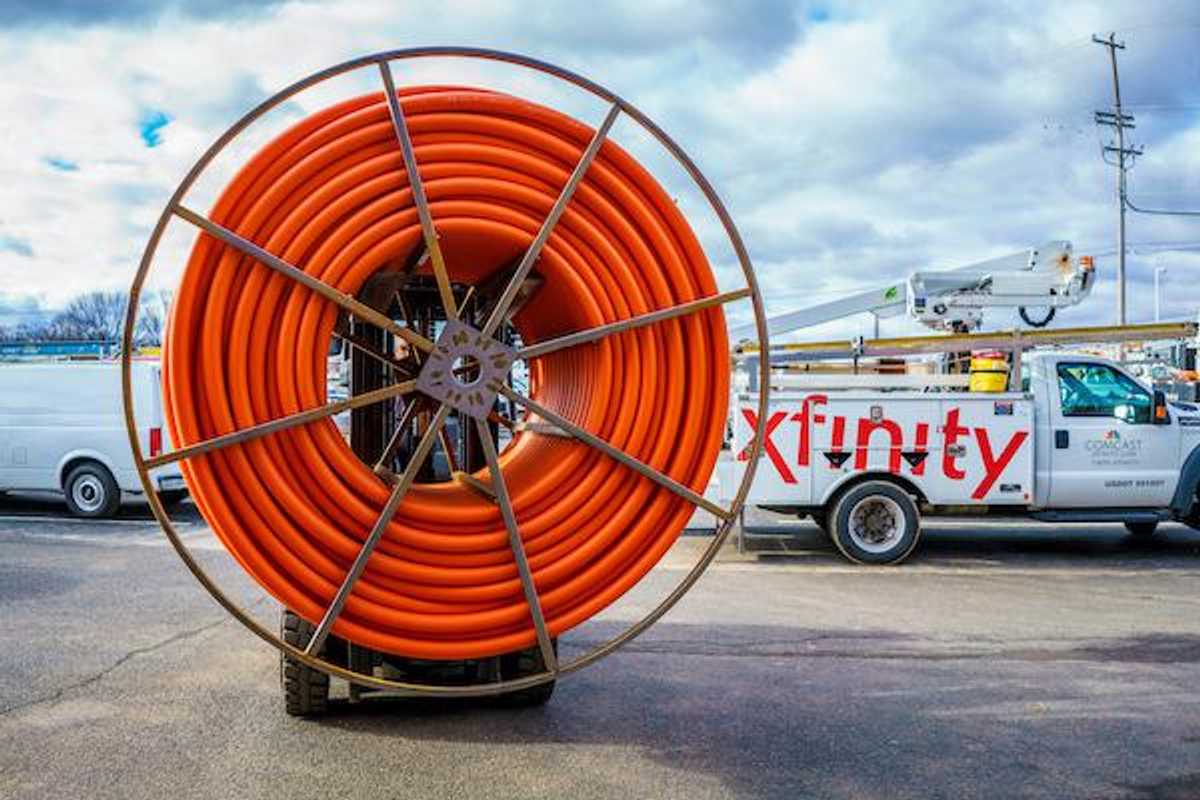
Compared to traditional wiring, fiber is far less affected by weather and electrical interference, which significantly improves connection reliability. An Internet provider typically delivers internet through underground fiber infrastructure designed for long-term stability and minimal outages. This approach ensures consistent connectivity for everyday needs like remote work, online meetings, and uninterrupted learning.
Over the years, the need for remote access to offices and classrooms has steadily increased. Fiber providers support this shift by delivering fast and efficient connectivity. Large files can be uploaded or downloaded without long waiting times, and video meetings remain clear and stable. This enables smooth collaboration and uninterrupted learning for both students and professionals.
As technology continues to advance, fiber infrastructure can support higher speeds without replacing existing cables. Providers can upgrade network equipment while keeping the core infrastructure intact, making fiber networks future-ready. This adaptability ensures users benefit from new tools and applications as they emerge.
 Environmental Benefits of Fiber Networks Photo by Dreamlike Street on Unsplash
Fiber internet networks consume significantly less energy than traditional copper-based systems, making them a more eco-friendly choice. Since fiber transmits data via light rather than electrical signals, it requires minimal power to operate. This efficiency helps providers reduce overall energy usage and supports greener technology practices.
Advantages of fiber networks for the environment:
Fiber internet offers a higher level of security compared to traditional copper-based connections. Since fiber cables transmit data using light signals, they are extremely difficult to tap into without causing noticeable disruption. This makes unauthorized access far less likely and enhances overall data protection.
In addition to physical security, fiber networks support advanced encryption methods that safeguard sensitive personal and business information during transmission. Internet providers also implement real-time network monitoring, threat detection, and security protocols to prevent breaches. Together, these measures create a safer browsing environment, giving users confidence that their online activities, communications, and data remain private and secure.
In a world where more people than ever are doing everything online, fiber internet providers have changed the wiring of the virtual world we call home. High speed, a stable connection, and improved security provide a clear edge over legacy systems. With fiber coming to more communities, the experience will be even better for users: browsing, streaming, and communicating will all be seamless. By choosing fiber, you choose a good, trustworthy future on the internet.
GearBrain Compatibility Find Engine
A pioneering recommendation platform where you can research,
discover, buy, and learn how to connect and optimize smart devices.
Join our community! Ask and answer questions about smart devices and save yours in My Gear.