The Conversation (0)
Transportation

Pexels
What to Consider Before Shipping High-Value Tech and Smart Devices When Moving
How to protect, insure, and safely ship valuable electronics and smart devices during a move.
Moving home can feel chaotic, and shipping your most expensive tech can add even more pressure to the process.
Items like laptops, consoles, tablets, and smart home devices are fragile (and full of personal information). So, before you hand them over to a carrier, it helps to understand how to reduce the odds of damage or loss.
This guide breaks down the key considerations so you can move your devices with confidence.
 Protecting Your Devices With the Right Packaging iStock
Shipping electronics is about preventing shock, scratches, moisture, and unexpected temperature changes.
Even minor packaging upgrades, such as anti-static wraps and tamper-evident seals, significantly improve the safety of high-tech shipments.
A few smart choices go a long way. You could use:
Certain electronics react badly to hot trucks or cold storage. Anything with a battery or small wires can undergo irreparable damage if temperatures get too hot or cold.
Small sensors, cameras, tablets, and battery-heavy devices can wear out more quickly when exposed to harsh conditions.
Insulated packaging and temperature-aware materials keep sensitive devices from failing.
Real-time monitoring makes a difference.
Shipments with trackable tags experience fewer damaged returns because shippers can detect and address issues faster. These also give you peace of mind, making your move less stressful.
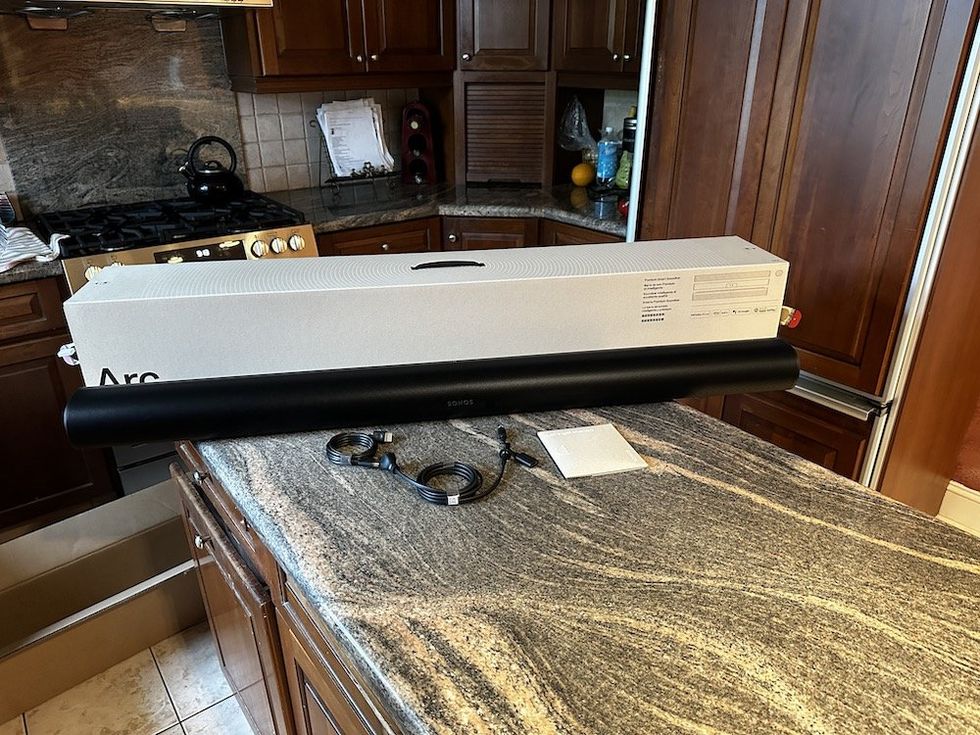 Considering the Cost, Insurance, and Tracking OptionsGearBrain
Shipping high-value tech items isn’t just about safety. It’s also about budgeting and understanding what you’re actually paying for.
Rates vary by distance, speed, weight, and the level of protection.
So, make sure you compare pricing and understand how distance impacts total moving expenses. Many movers use distance-based calculators to calculate shipping fees for large items being relocated alongside household goods, which helps create a more accurate overall moving budget.
Tech devices are commonly involved in damage claims, and standard carrier coverage may not come close to covering a premium laptop or camera.
Declared-value insurance or third-party coverage may be the only way to receive reimbursement for the full replacement price.
More carriers now use IoT-driven tracking and proof-of-handling.
Condition monitoring and sensor-based systems can detect drops, tilts, or temperature spikes, providing evidence if something goes wrong.
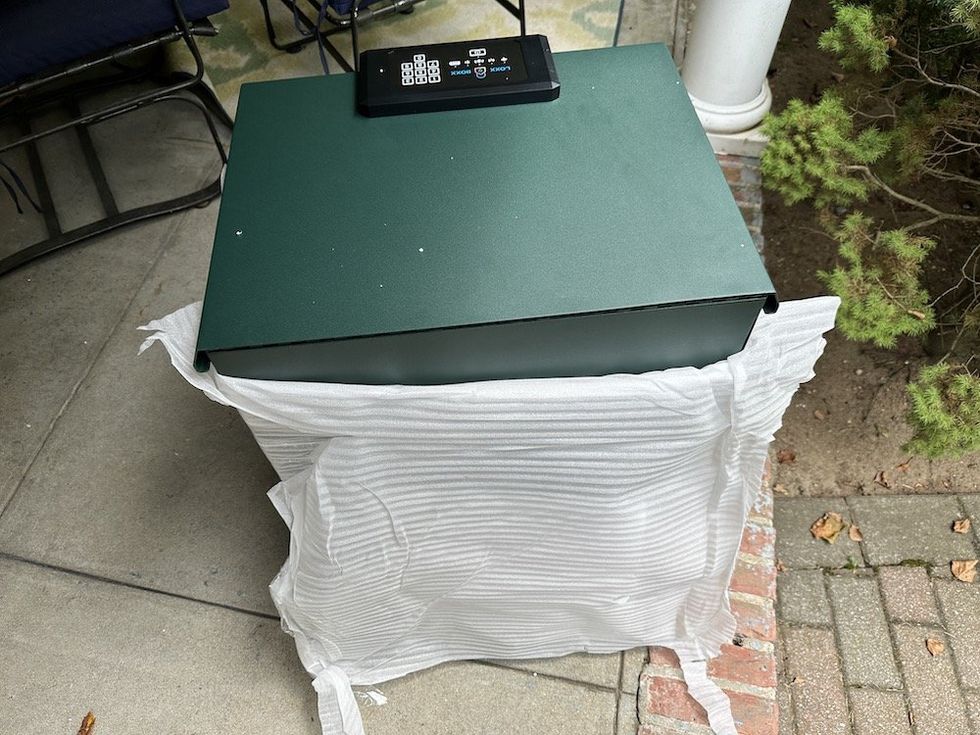 Preparing Devices Before You Ship GearBrain
Even great packaging won’t protect your personal information. Good preparation keeps both your data and your hardware safe.
Before sending off any high-value device, make sure your information is protected.
Back up your important files, turn on encryption, sign out of sensitive accounts, and fully power down the device. These simple steps will keep your data safe during transit without disrupting how you use the device once it reaches your new home.
Removing detachable accessories, external batteries, memory cards, and lenses reduces internal strain and prevents small pieces from shifting around and causing damage.
Take clear photos, record the device's serial numbers, and document its condition.
This is extremely helpful when filing a damage or loss claim, especially for items like high-end drones, gaming systems, or professional cameras.
 Carrier Requirements and Regulatory Considerations www.gearbrain.com
Every carrier has specific rules for electronics, and ignoring them can lead to delays or rejected shipments.
Most carriers enforce strict limits for lithium-ion batteries, including watt-hour caps and labeling rules.
You may need to ship batteries separately or follow precise packing methods to comply.
Customs agencies take a close look at expensive electronics.
Misidentifying or undervaluing high-end tech can lead to delays, additional taxes, or confiscation.
Some devices are too fragile or too expensive to risk a DIY approach.
Specialty packers work with precision electronics every day.
They use shock-absorbing crates, specialized foams, and sealing methods designed to minimize movement and vibration.
Experts familiar with global shipping standards can manage customs forms, lithium battery regulations, and packaging requirements.
Professional packing services can help ensure compliance with newer packaging regulations and automation-compatible materials.
GearBrain Compatibility Find Engine
A pioneering recommendation platform where you can research,
discover, buy, and learn how to connect and optimize smart devices.
Join our community! Ask and answer questions about smart devices and save yours in My Gear.