Smart technology is changing how companies operate. Smart lighting and powerful security systems make buildings more convenient. However, before implementing intelligent technologies, it's critical to ask one question: ‘Is the electrical infrastructure capable of handling the technology?’
Deploying smart technologies means more than simply installing and automating devices. A building must be assured of the right electrical wiring, appropriate levels of power, the existence of good grounding, and system compatibility for a successful technological deployment. Otherwise, enterprises are bound to experience power failures and equipment issues.
Preparing the electrical infrastructure eliminates future stress and guarantees expected performance from the offered technologies. Here are a few crucial points to consider before implementing smart technologies.
Evaluate the Existing Electrical Setup
 Evaluate the Existing Electrical Setup GearBrain
Before starting the installation, first evaluate the capacity of your building's electrical system. Some older buildings have outdated electrical distribution systems, circuits, and panels. While new lights, security systems, sensors, and HVAC systems can increase your electrical usage, even the smallest devices can put significant strain on your existing system.
Hire a licensed electrician who will survey the existing wiring, circuits, distribution boards, and grounding. This helps you detect problems early and make the necessary repairs.
Inspect Power Supply
Smart technology relies on a stable power supply. Before upgrading to new technology, companies need to evaluate whether their current electrical system can accommodate any added capacity.
Assessing the current power load provides an overview of current power needs and how much power the new technology will require. It also shows whether the current panel has enough reserves to add circuits.
If capacity is limited, you may need upgrades to the panel itself, the installation of extra circuits, or overall improvements to the power distribution system.
Plan for Backup Power
 Plan for Backup Power Photo by dcbel on Unsplash
What will happen to your building's security and access systems during a power outage? Smart buildings rely on interconnected systems. Hence, a power interruption could affect much more than just lights and office devices. All security equipment and communication tools could stop operating.
Companies need a clear understanding of which systems must keep running during a power interruption. Depending on their needs, companies may choose generator, battery, or UPS systems.
Ensure That Systems Are Interrelated
Smart building technology works best when systems can communicate effectively. Lighting, heating and cooling, security systems, and energy control systems need to work together rather than as stand-alone components.
It is advisable to consider the compatibility of systems prior to acquiring any appliances. Each system may have its own requirements regarding wiring, power, and communication. For example, while automated lighting systems may require extra control wiring, smart heating and cooling equipment usually needs appropriate electrical connections and controllers. Bringing in electricians and technology experts during the planning phase will help to obtain this information in advance.
Implement Energy Monitoring in Your Upgrade
One of the greatest aspects of smart buildings is their energy efficiency. That said, businesses still need the right tools to monitor energy consumption and take the steps needed to improve energy management.
Smart meters and energy management systems enable facility managers to track usage, identify abnormal energy consumption, and detect equipment that consumes too much electricity.
Thanks to automated lighting, it is now possible to eliminate unnecessary energy spending by controlling the lighting based on both occupancy and daylight. Smart technology can also control the HVAC.
Collaborate With An Expert Commercial Electrician
 Collaborate With An Expert Commercial Electrician Photo by Emmanuel Ikwuegbu on Unsplash
Commercial smart building upgrades involve several systems that must cooperate. A professional will ensure that electrical systems are safe and capable of handling new technologies.
In Indiana, in particular, being familiar with local regulations is advantageous in determining what commercial electrical upgrades to make. Partnering with an expert Indiana commercial electrical contractor helps the property owner assess existing systems and the improvements needed to comply.
A professional can also help coordinate with HVAC installers, automation specialists, and IT teams to keep everything running properly. Consulting the right parties at the right time can save you from installation issues, costly mistakes, and delays.
Plan for Future Maintenance
Just because new technologies are installed doesn't mean electrical readiness is complete. Smart buildings will be evolving with businesses bringing in new devices and automation features.
There should be room for future circuits, installing wiring systems that are easy to access, and using appropriately marked electrical panels. Such small steps can promote simplicity in upgrading and troubleshooting in the future.
Regular inspections are equally important, and electrical equipment should be maintained as instructed. Keep records of electrical equipment changes, specifications, and installation details so maintenance teams and future contractors can clearly understand how the building is wired.
Get Ready Today for a Smarter Building
Smart building upgrades can make commercial properties more efficient, secure, and easier to manage. However, these upgrades depend on the right foundation.
Review the tips in this article and work with qualified electrical professionals who understand modern requirements. If you take the right steps early, you could save a lot of money.
From Your Site Articles
Related Articles Around the Web
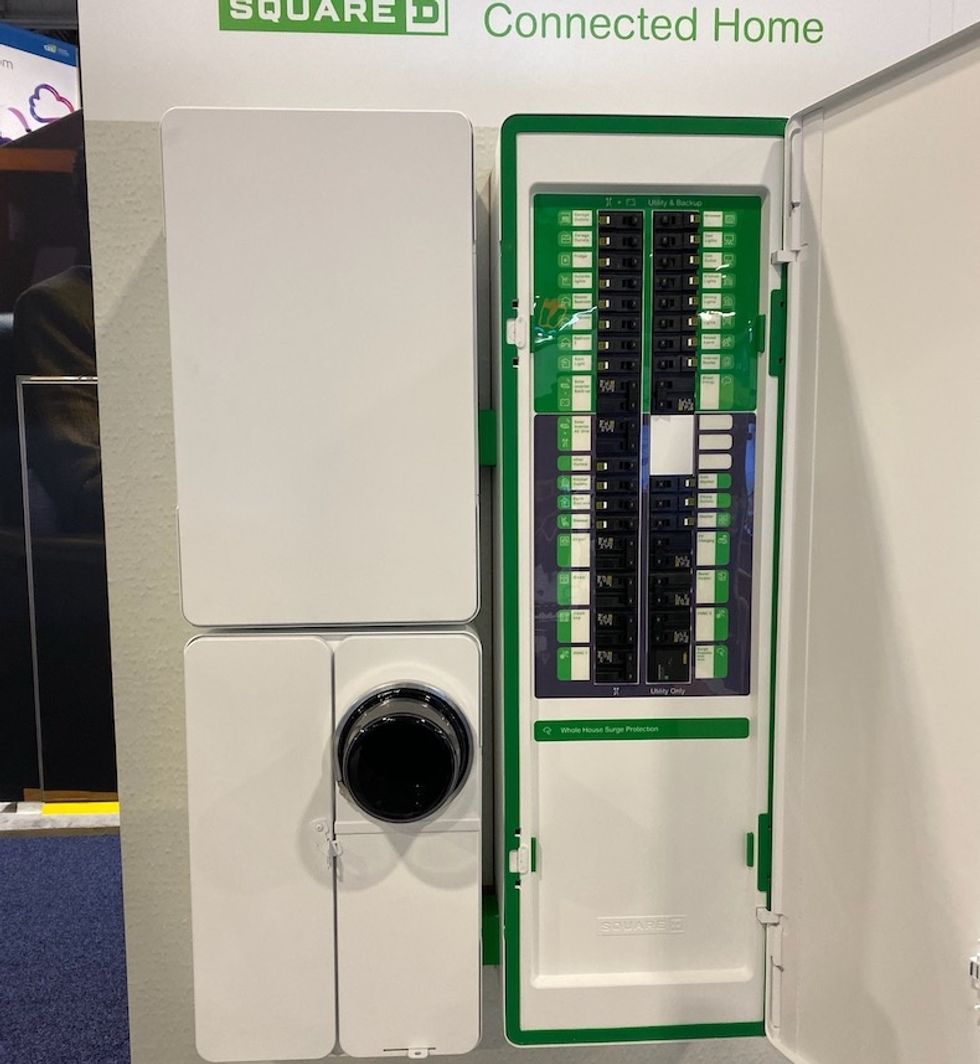 Evaluate the Existing Electrical Setup GearBrain

 Plan for Backup Power Photo by

 Collaborate With An Expert Commercial Electrician Photo by Emmanuel Ikwuegbu on Unsplash