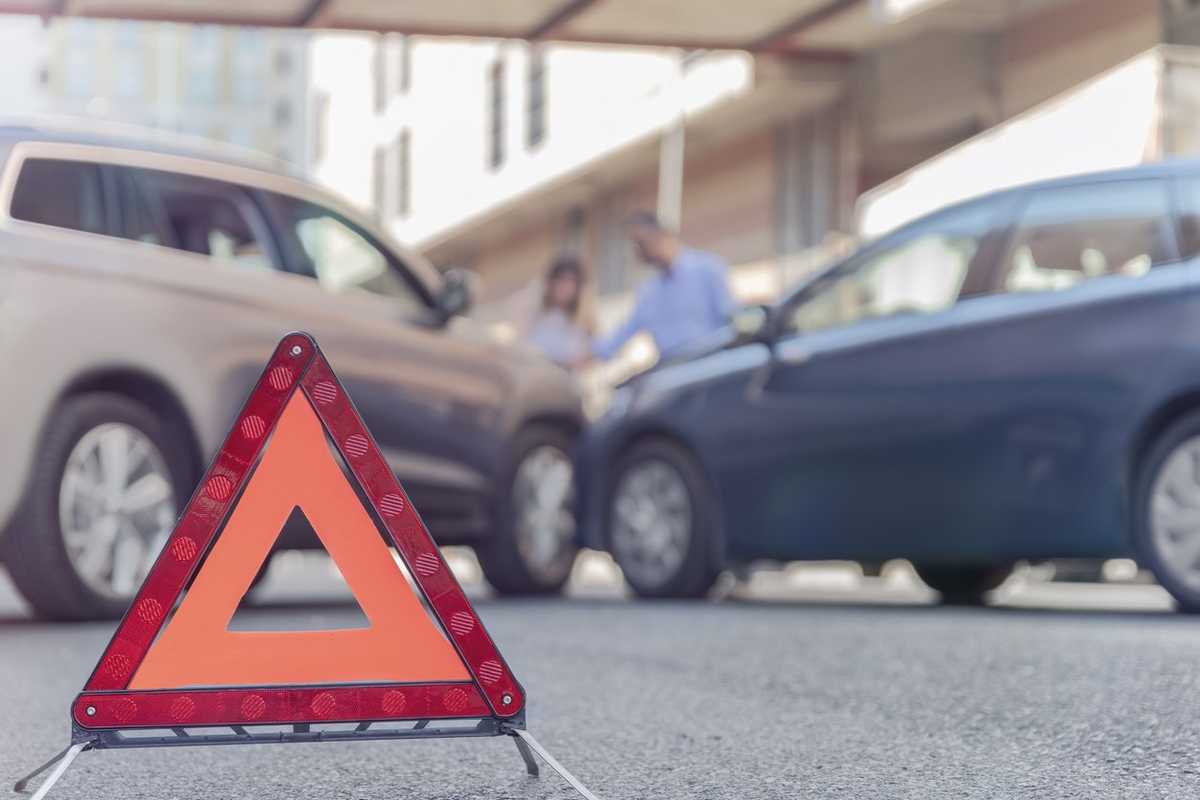
A vehicle collision can leave a driver managing pain, transportation issues, repair bills, and uncertainty about what comes next. Evidence gathered early often answers questions later, after memories fade or repairs are completed. Photographs, treatment records, witness details, and income documents create a reliable account of the event. Careful preparation also helps legal professionals assess responsibility, injury severity, and financial harm.
Record the Accident Scene
Scene photographs should show vehicle positions, damaged areas, lane markings, traffic signs, signal lights, weather, and roadway defects. Wide images show the location, while close photos capture scratches, broken glass, bruising, or swelling. A brief video may record lighting, traffic movement, visibility, and nearby hazards. If injuries prevent immediate documentation, a trusted person can collect those details later.
A Henderson Car Accident Lawyer may examine photographs, repair estimates, treatment records, and witness accounts before evaluating available options. Such material can clarify disputed facts, expose gaps in an insurer’s position, and connect physical symptoms with financial losses. Keep original files, timestamps, and handwritten observations together. Altered images or missing dates may create questions that slow review.
Gather Witness Information
 Gather Witness Information Photo by C Joyful on Unsplash
Independent witnesses can recall traffic movement, signal changes, vehicle speed, and the moments before impact. Record each person’s name, telephone number, email address, and brief account. Notes should reflect what the observer saw or heard, rather than a conclusion about responsibility. Nearby stores, homes, or traffic cameras may also provide useful leads.
Witness memories often change after several weeks. A short statement written soon after the incident may preserve details that become difficult to remember later. Drivers should avoid coaching anyone or asking them to exaggerate. Neutral observations carry greater weight than dramatic descriptions without supporting facts.
Save Police Records
A police report may contain the collision location, involved parties, diagrams, statements, citations, and officer observations. Drivers should request a copy after the agency releases it. Check the report for incorrect names, dates, vehicle descriptions, or injury information. Any correction request should follow the department’s stated procedure.
Personal notes can include the responding officer’s name, badge number, arrival time, and case reference. Those details make later record requests easier. A report does not automatically decide responsibility, but it provides an important contemporaneous account for review.
Document Financial Losses
Collision-related expenses may include medical copayments, prescriptions, transportation, equipment, parking, storage, towing, and household assistance. Receipts should show the date, provider, purpose, and amount paid. Wage losses require additional proof, such as pay statements, work schedules, employer letters, or approved leave records.
Self-employed drivers may need invoices, contracts, appointment books, and account statements. These materials can show canceled work or reduced earnings. Records should distinguish accident-related costs from ordinary household spending. Clear categories make calculations easier and reduce confusion during review.
Preserve Vehicle Evidence
 Preserve Vehicle Evidence Photo by filippo mantini on Unsplash
Before repairs begin, drivers should photograph every damaged surface and save all estimates, invoices, towing records, and storage notices. The vehicle may contain evidence about impact direction, seat-belt use, airbag deployment, or mechanical failure. When feasible, keep it available for inspection.
Retain parts removed during repair rather than discarding them. Tires, lights, bumpers, restraint components, and other damaged pieces may answer technical questions. A repair shop should receive written instructions before disposing of any component connected with the collision.
Record Daily Effects
A collision can interfere with lifting, walking, driving, bathing, childcare, household work, exercise, concentration, and sleep. Daily notes should describe the task, the limitation, and any assistance required. Family members or supervisors may provide statements about observable changes in routine or work performance.
Specific examples are more useful than general comments. “Unable to carry a grocery bag with the right arm” gives clearer information than “activities became difficult.” Entries should remain factual, dated, and consistent with medical records.
Avoid Altering Evidence
Preserve relevant text messages, phone records, dashboard camera files, photographs, location history, and repair communications in their original form. Drivers should avoid deleting material merely because it appears unfavorable. A complete record allows each side to evaluate facts rather than isolated excerpts.
Public posts can also affect credibility. Handle accident photographs and comments about physical activity, travel, work, or recovery carefully. Drivers should avoid discussing responsibility or settlement details online. Privacy settings do not guarantee that another person will keep content private.
Conclusion
Strong accident documentation begins with ordinary records kept consistently. Drivers should preserve scene photographs, witness details, police materials, treatment notes, financial proof, vehicle evidence, and insurer communications. Daily observations should remain dated, factual, and free from speculation. A complete file can't guarantee a specific outcome, but it can clarify responsibility, support injury evidence, and show real losses. Early organization also protects important information before repairs, memory changes, or missing records weaken the account.
From Your Site Articles
Related Articles Around the Web
 Gather Witness Information Photo by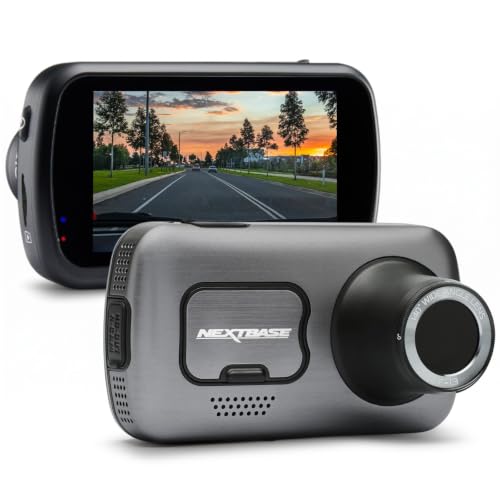
 Preserve Vehicle Evidence Photo by